
3 Days in Antwerp: An Itinerary for Art and Design Lovers
Later in this post I share a few affiliate links. I may earn a commission if you click on them and make a purchase, at no cost to you. I really appreciate your support!
ANTWERP MIGHT JUST BE BELGIUM’S MOST UNDERRATED CITY.
It’s often treated as a quick itinerary add-on, or as a stop between Brussels and Amsterdam.
But are day trippers missing out?
I came to Antwerp specifically to test that assumption: Was this really just a one-day destination, or did it deserve more time?
AFTER SPENDING THREE DAYS IN ANTWERP, THE ANSWER IS VERY CLEAR.
Antwerp is absolutely more than a day trip — especially if you care about art, fashion, architecture, and design.
This is a city with deep history, world-class museums, and a creative energy that will delight curious travelers.
Below is a three day Antwerp itinerary designed for travelers who enjoy exploring the cultured, the cool, and the undiscovered.
3 Days in Antwerp: An Itinerary for Art and Design Lovers
Top Experiences in Antwerp
Planning your trip to Antwerp?
Here are my FAVORITE experiences for a memorable visit to Antwerp.
🔍 Discovery | Learn more about your destination
🤝 Connection | Meet locals, learn a craft, and trade stories
🚌 Excursion | Explore nearby places of interest
Curious how to find the best experiences no matter what destination you visit?
Download my Europe Experience Planner now!
How to Get Around Antwerp
Antwerp is wonderfully walkable.
MOST OF THE HISTORIC CENTER, MUSEUMS, CAFÉS, AND SHOPS ARE EASILY EXPLORED ON FOOT.
For destinations farther out, like the Axel Vervoordt Gallery, taxis and Ubers are affordable and efficient.
Public transportation is reliable, but for a short stay, walking plus the occasional ride-share is more than enough.
Where to Stay in Antwerp
FOR A FIRST VISIT, I RECOMMEND STAYING NEAR THE CATHEDRAL OF OUR LADY OR GROTE MARKT.
This part of the city puts you within walking distance of historic landmarks, museums, restaurants, and the river.
I stayed near the cathedral, and being able to step outside right into the heart of historic Antwerp was a real treat.
If you’re only in town for a few days, this central location will make exploring a breeze.
THERE ARE EXCELLENT HOTELS AT ALL PRICE POINTS IN CENTRAL ANTWERP.
These are the Antwerp hotels that made my short list:
De Witte Lelie, an SLH Hotel – This Michelin Key hotel is set across three historic townhouses in Antwerp’s historic center. Its 11 uniquely designed rooms and suites mix original architectural details with bold contemporary accents, while a secluded courtyard garden adds to the private retreat atmosphere. This would be my choice for a special occasion or more indulgent stay.
Hotel Julien – This design-forward boutique hotel occupies two renovated 16th-century townhouses in the heart of Antwerp. The interiors combine contemporary design, vintage decor, and curated photography, while its vaulted cellar houses a private wellness area. This would be my pick for travelers who value design and want a more intimate atmosphere.
HotelO Kathedral Antwerp – A 3-star hotel situated right next to the Cathedral of Our Lady, and right around the corner from Grote Markt. The nightly rate was affordable and the rooms were updated and comfortable. If you’re only in town for a few days, this central location will make exploring a breeze.
When to Visit Antwerp
Spring and early fall are ideal seasons to visit Antwerp, with mild weather and a slower pace to the city.
SUMMER BRINGS OUTDOOR FESTIVALS IN GROT MARKT AND LONGER EVENINGS.
Winter is quieter and cold, but that shouldn’t be a hindrance if indoor activities like museums, shopping, and dining are your priorities.
Just be sure to pack layers, no matter the season.
We visited in late August and were shocked at how cool the weather was!

Day 1: Historic Antwerp, Urban Gardens, and a Classic Flemish Dinner
Morning: Arrival and Antwerpen-Centraal Station
One thing that I love about the Antwerp experience is how it begins the moment you step off the train.
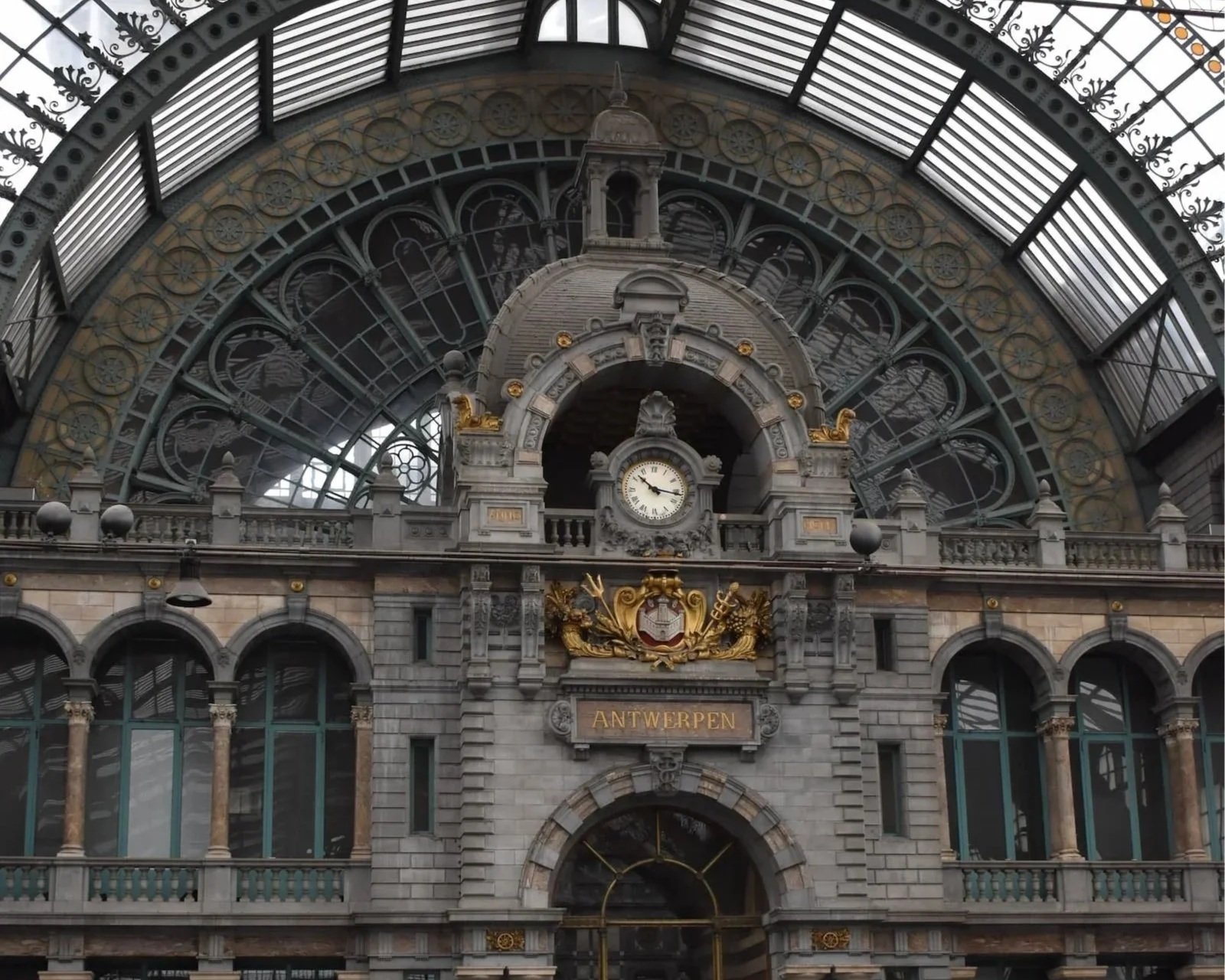
ANTWERPEN-CENTRAAL STATION IS A MASTERPIECE OF BELLE ÉPOQUE ARCHITECTURE.
Opened in 1905, its soaring iron-and-glass dome is layered over intricate stonework.
It’s often ranked among the most beautiful train stations in the world, and perfectly sets the tone for a city where design and history effortlessly coexist.
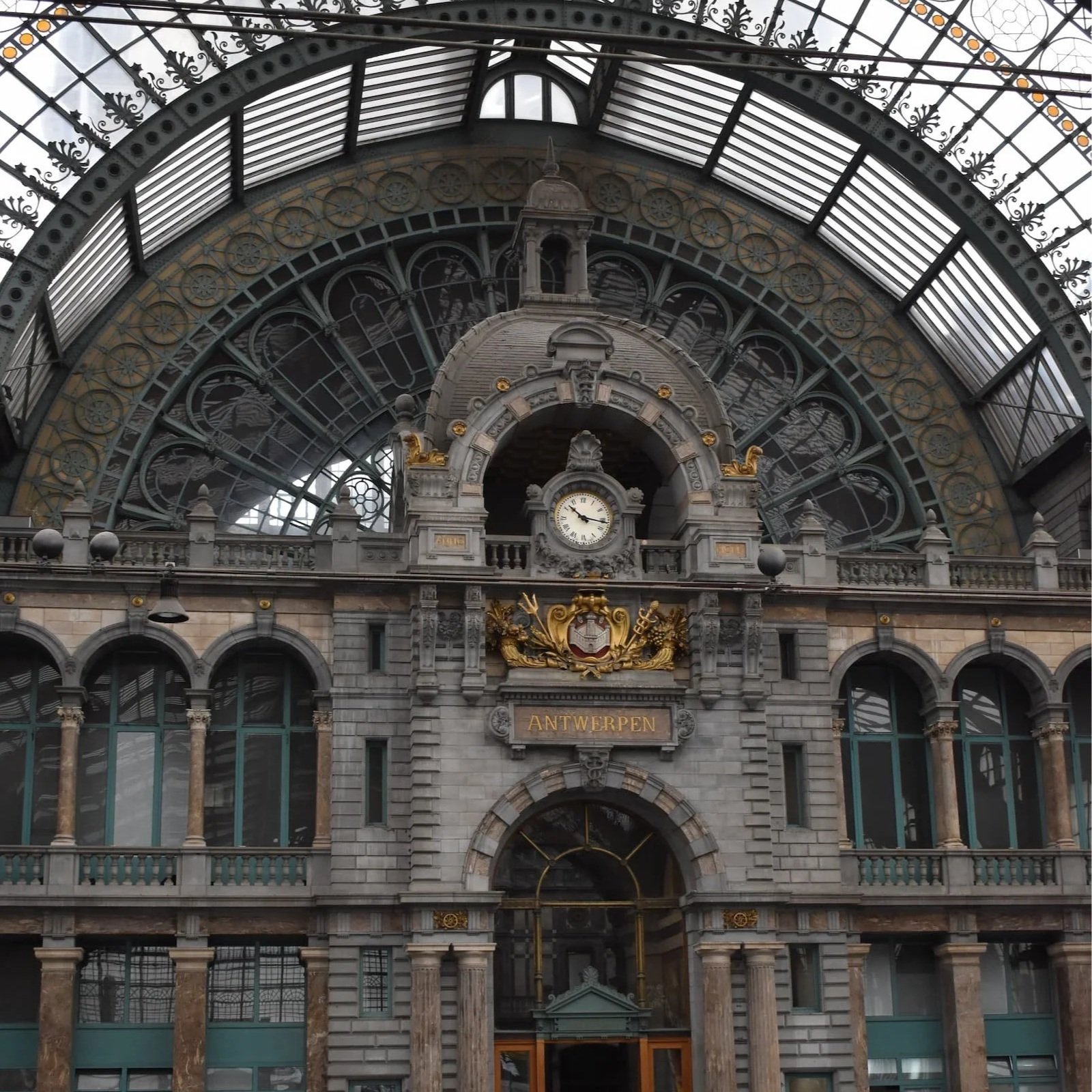
The glass façade resembles peacock feather.
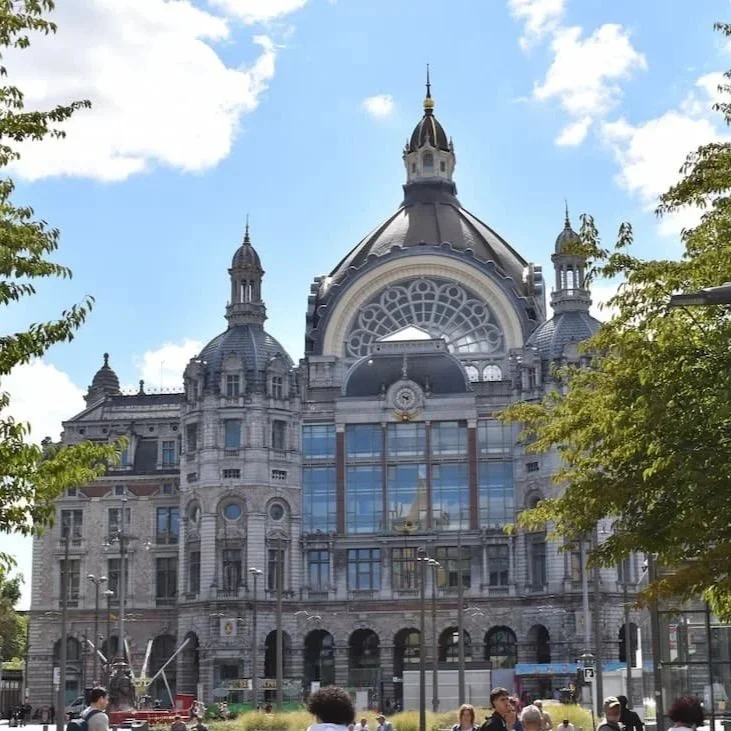
The exterior of Antwerpen Centraal Station.
Afternoon: Grote Markt, Cathedral Quarter, and Museum Gardens
Antwerp’s historic heart revolves around Grote Markt, a lively square framed by ornate guild houses.
At its center stands the Brabo Fountain, depicting the Roman soldier Silvius Brabo.
IT’S A REFERENCE TO THE BRABO LEGEND THAT GAVE ANTWERP ITS NAME, DERIVED FROM HAND WERPEN, “TO THROW A HAND.”
Just steps away rises the Cathedral of Our Lady, a Gothic masterpiece that took centuries to complete.
Inside, you’ll find monumental works by Peter Paul Rubens, Antwerp’s most famous son and one of the masters of Flemish Baroque painting.
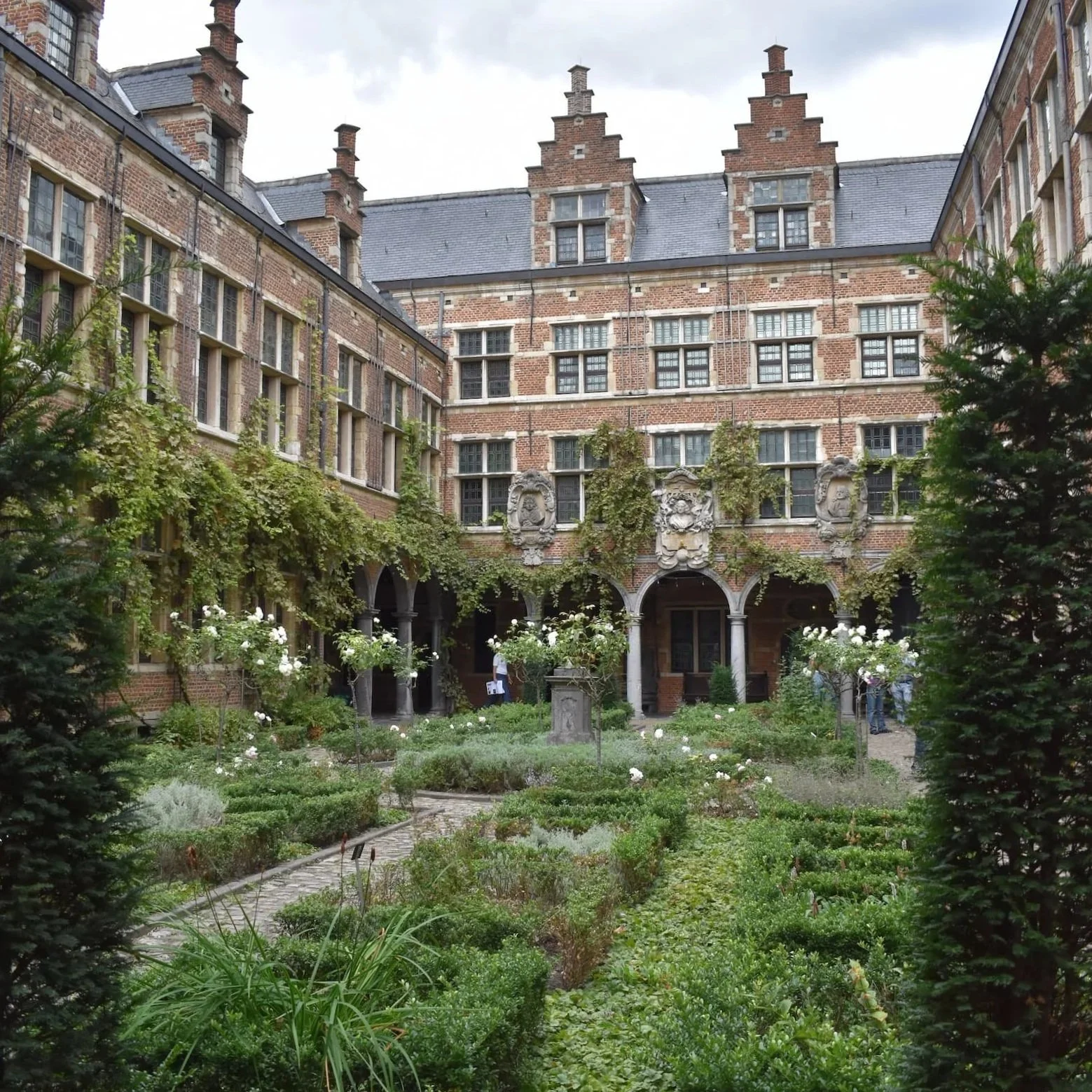
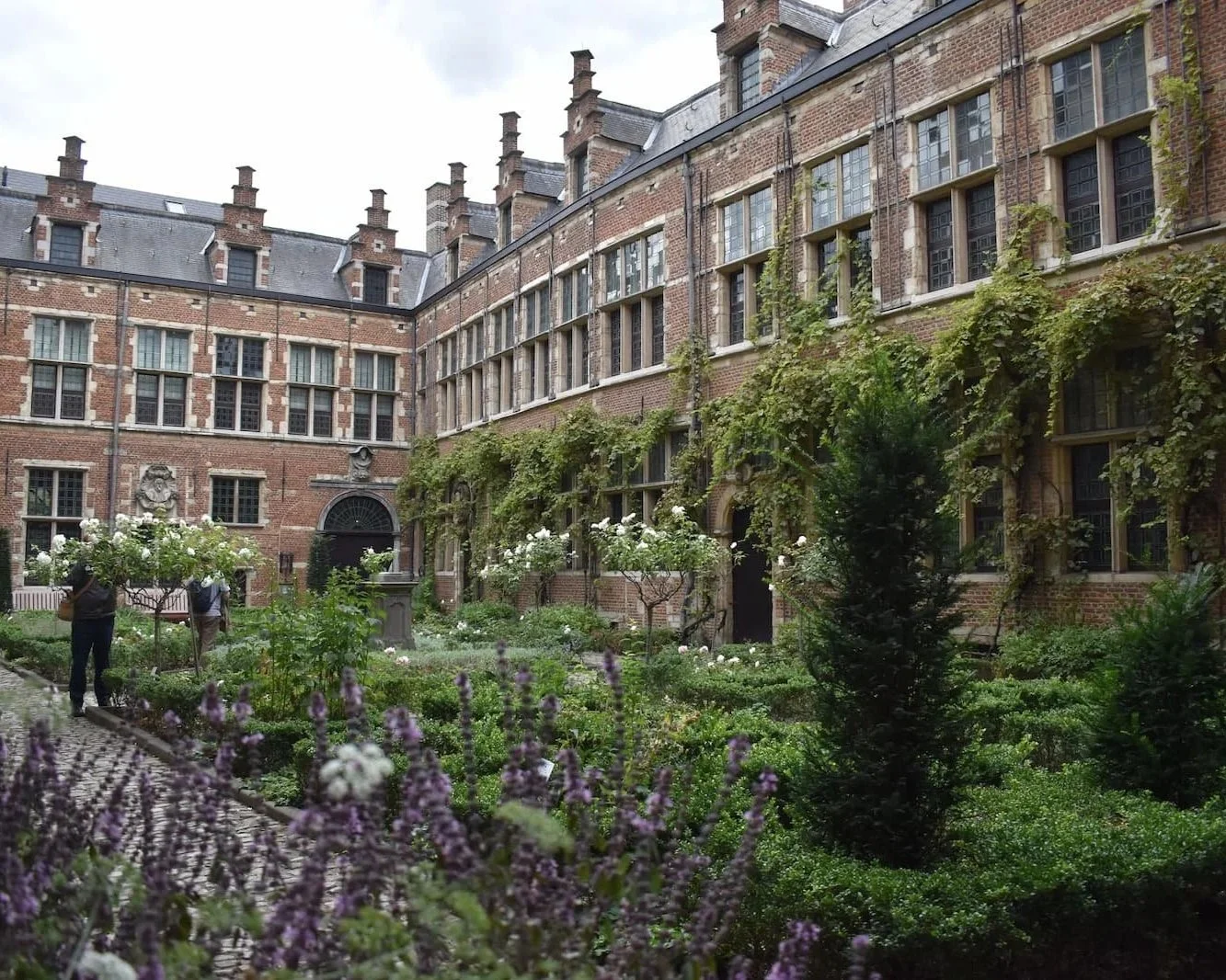
The interior courtyard garden at the Plantin-Moretus Museum.
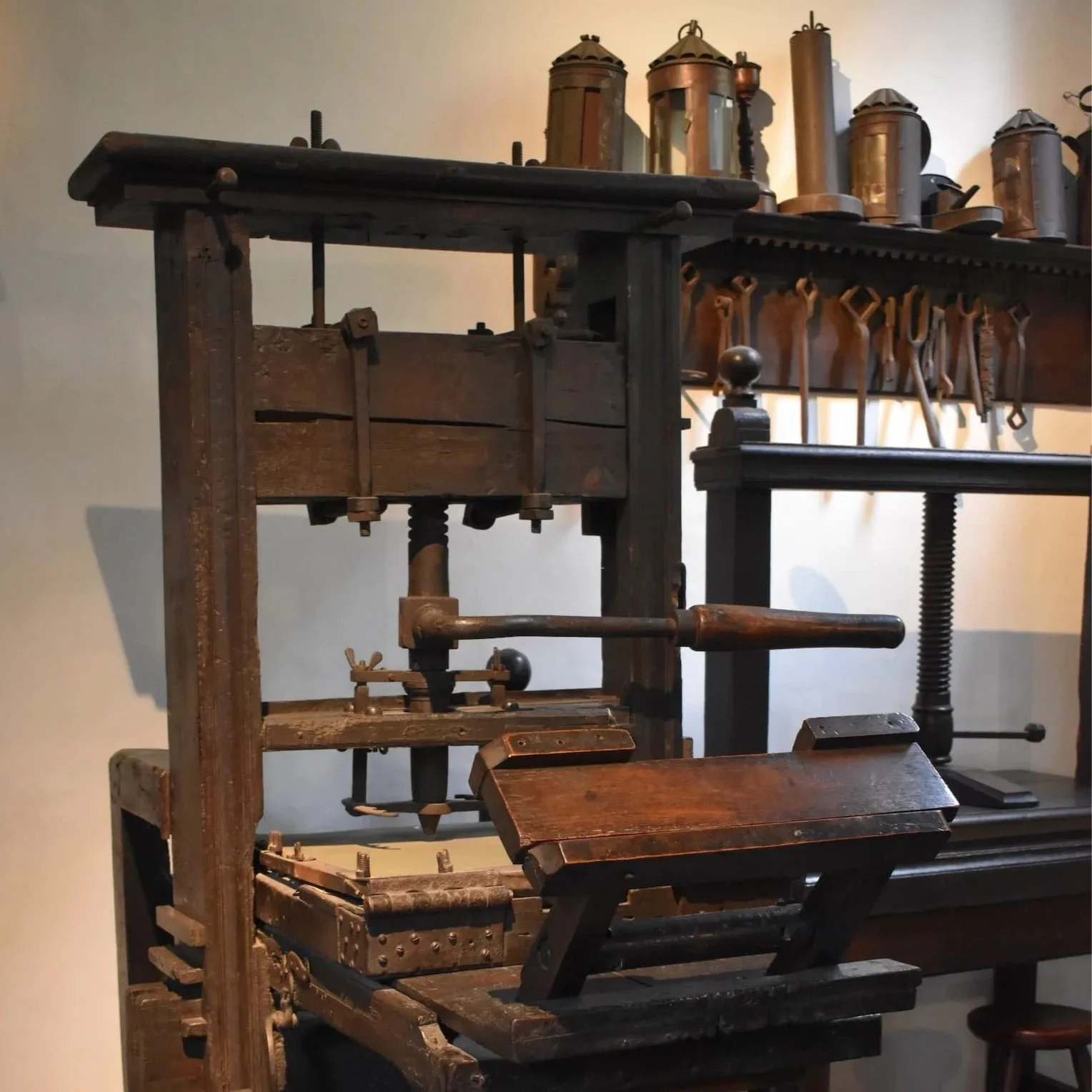
One of the museum’s historic printing presses.
There are plenty of casual eateries around the Cathedral Quarter where you’ll be able to grab a quick lunch.
We opted for pizza at PIZARRO NYC Slice Shop.
AFTER A QUICK BITE, HEAD TO THE PLANTIN-MORETUS MUSEUM.
This UNESCO World Heritage site is one of Antwerp’s most important cultural landmarks.
Once the home and workshop of 16th-century printer Christophe Plantin, the museum preserves the world’s oldest surviving printing presses.
BEYOND ITS HISTORICAL SIGNIFICANCE, THE COURTYARD GARDEN IS A STUNNER.
Even if historical printing presses don’t set your heart aflutter, I still think it’s worth a visit just for the garden.
Surrounded by centuries of old brick walls, this manicured garden is the perfect pause from the busy streets just outside.
FROM THERE, HEAD TOWARDS THE RUBENSHUIS.
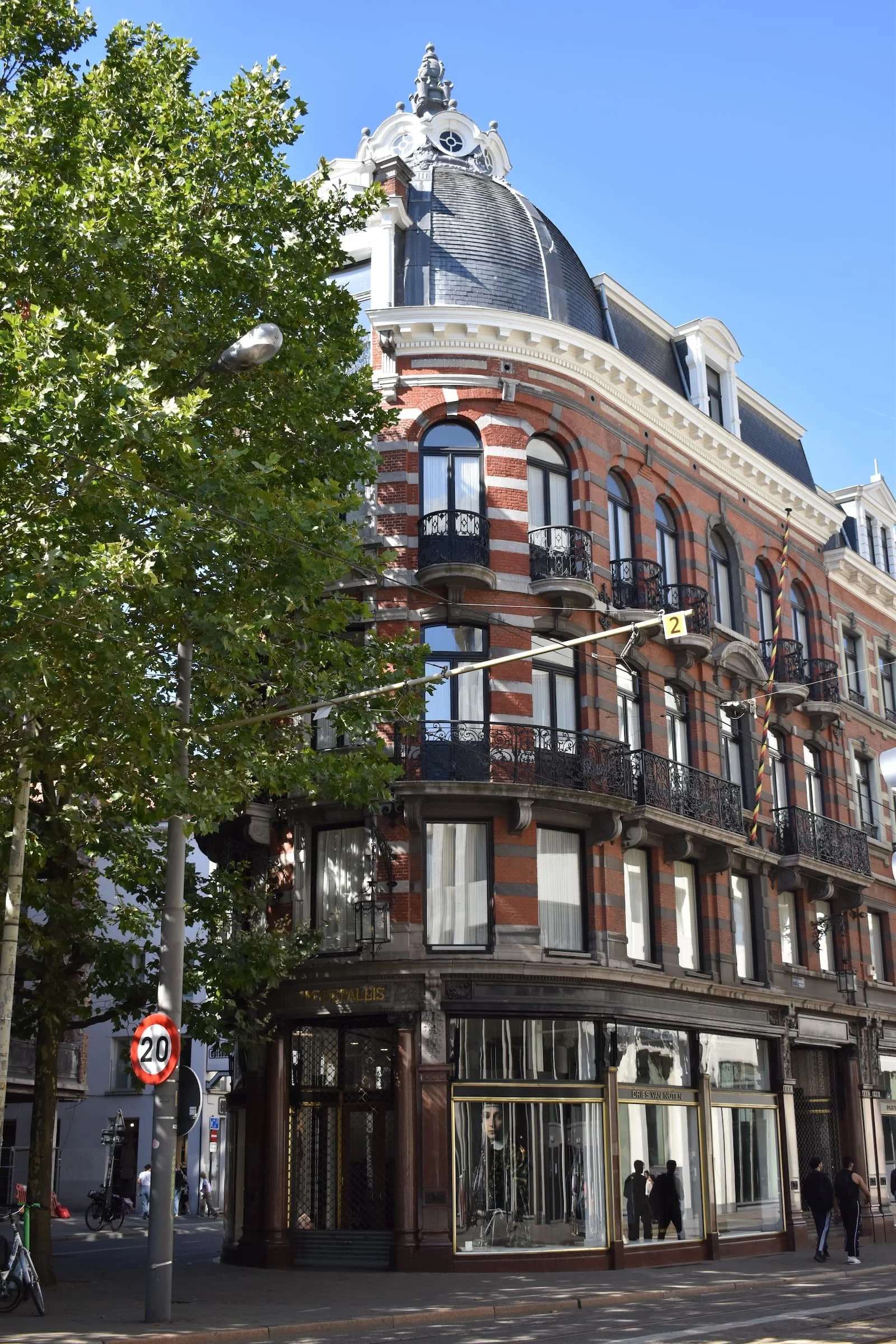
The Dries Van Noten boutique in Antwerp.
On the walk over, you’ll pass the Dries Van Noten boutique, a reminder that Antwerp’s influence didn’t stop in the Baroque era.
The city also produced the legendary Antwerp Six, designers who reshaped global fashion in the 1980s and beyond.
( 🔍 Want to dive deeper? The MoMu - Fashion Museum Antwerp is hosting a major exhibition, "The Antwerp Six," from March 28, 2026, to January 17, 2027, celebrating 40 years since the group’s international breakthrough.)
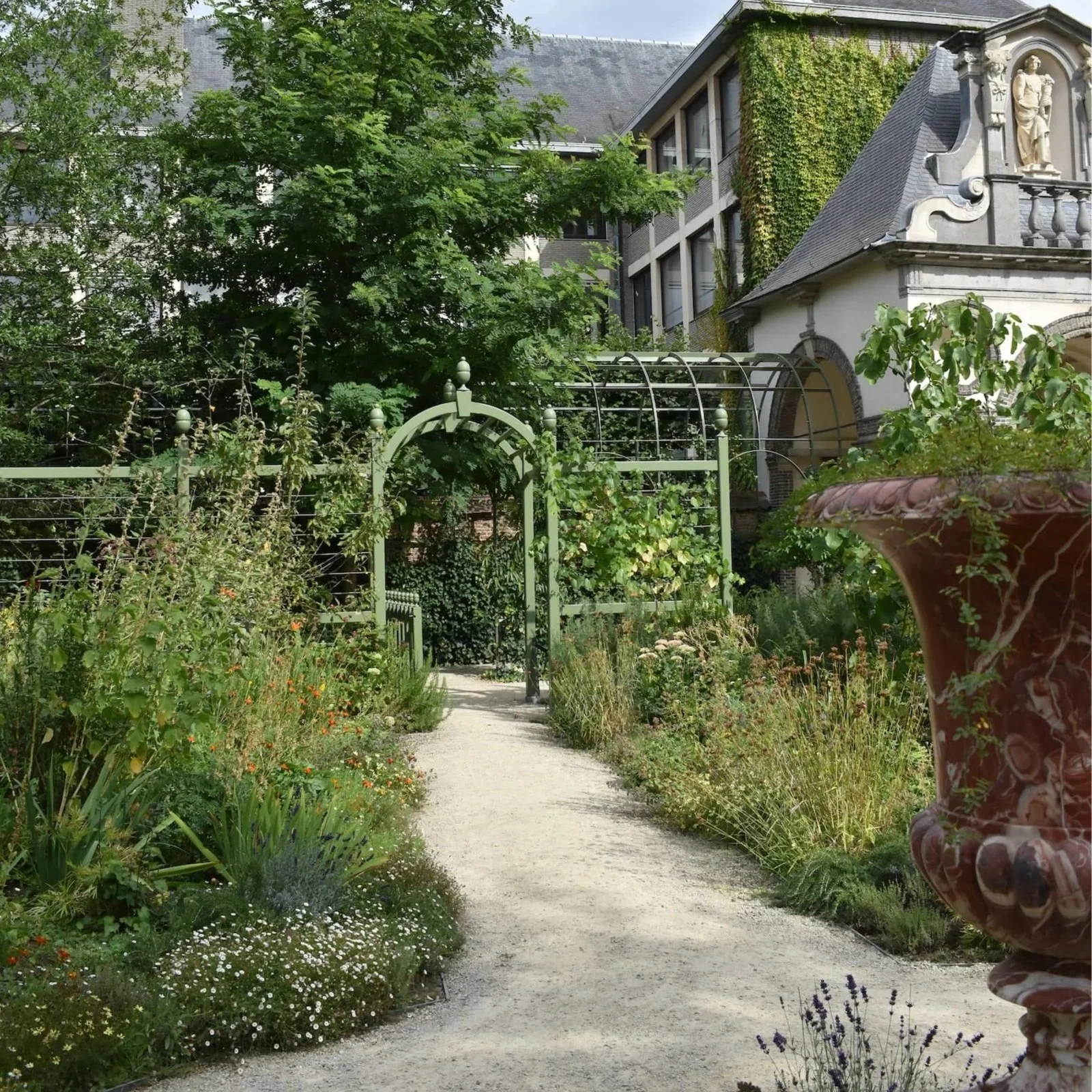
A gravel path winds through the garden at Rubenshuis.
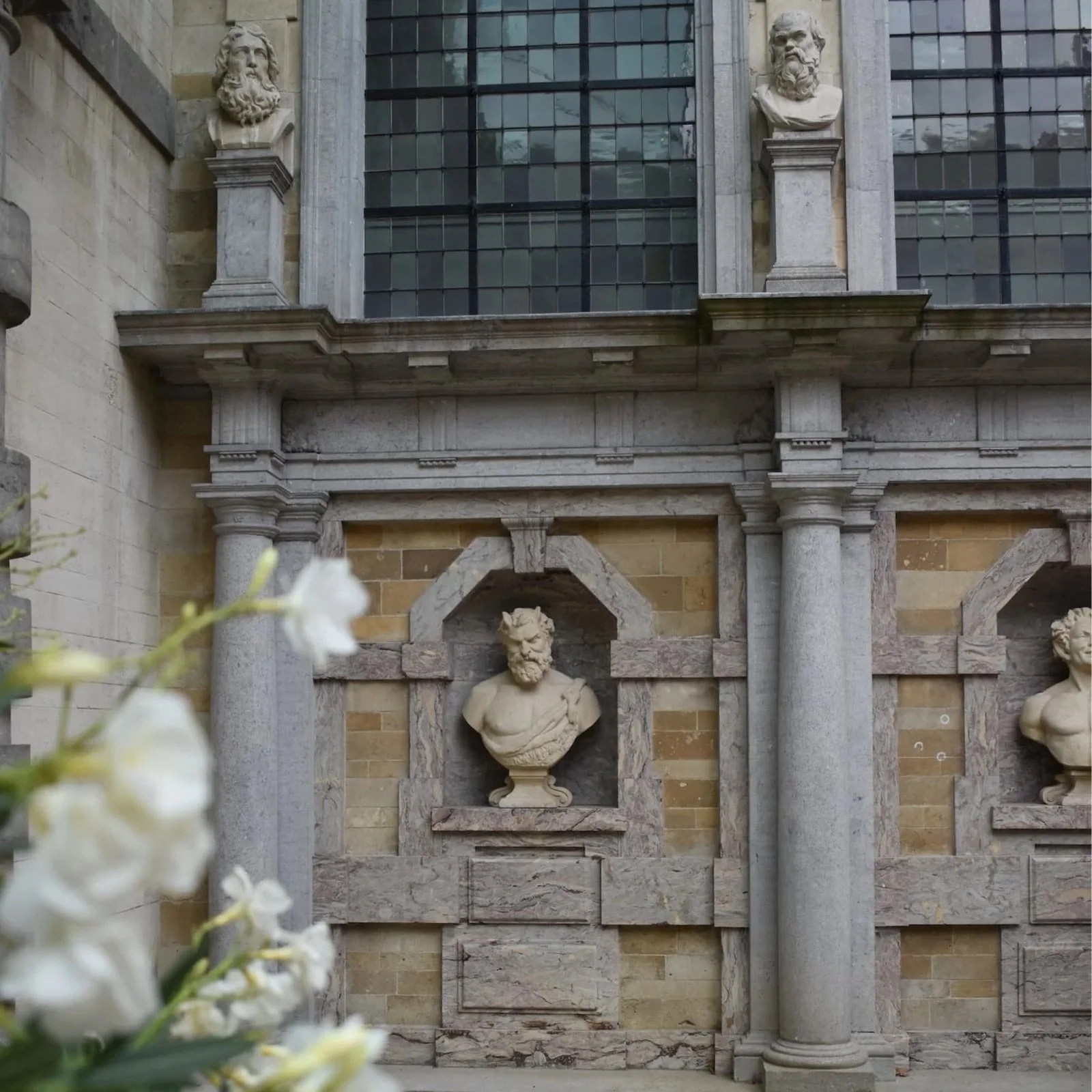
The garden features design elements like busts, urns, and planters.
THE RUBENSHUIS WAS THE LONGTIME HOME AND STUDIO OF PETER PAUL RUBENS.
While the residence itself is currently under renovation, the Renaissance-style garden remains open and is well worth visiting.
It’s decidedly different in form than the garden at the Plantin – less structured, more asymmetrical – and a little larger in size.
Evening: Cocktails and Flemish Cuisine
When you’re done exploring the garden at the Rubenshuis, pop across the street to Luddites Books and Wine.
THIS CHARMING BOOKSTORE INCLUDES A TOP-FLOOR BAR SERVING WINE AND COCKTAILS.
It’s the perfect place to slow down and enjoy a pre-dinner aperitivo.
Grab a seat on the outdoor terrace, order a cocktail, and decompress.
For a classic Flemish meal, head back towards the Cathedral Quarter, to restaurant De Pottekijker.
THIS INTIMATE SPOT DELIVERS COMFORTING, TRADITIONAL DISHES AND A RANGE OF LOCAL BEERS.
If you’re not a big fan of alcohol, consider ordering one of Belgium’s excellent non-alcoholic beer options.

Day 2: Café Culture, A Design Pilgrimage, and Antwerp After Dark
Morning: Bakery Breakfast and One More Urban Garden
Start your second day in Antwerp slowly, with a walk toward two of the city’s most charming bakeries: Café Canelé and Bakkerij FUNK.
BOTH ARE EXCELLENT, AND CONVENIENTLY LOCATED ON THE SAME BLOCK, MAKING IT EASY TO CHOOSE.
Café Canelé stands out for its unique canelés, crisp on the outside, custardy within, while FUNK is known for its high-quality bread and classic baked goods.
FROM THERE, HEAD TOWARDS THE RESTORED HANDELSBEURS.
On the way, walk through Den Botaniek, a small but charming botanical garden dating back to the 19th century.
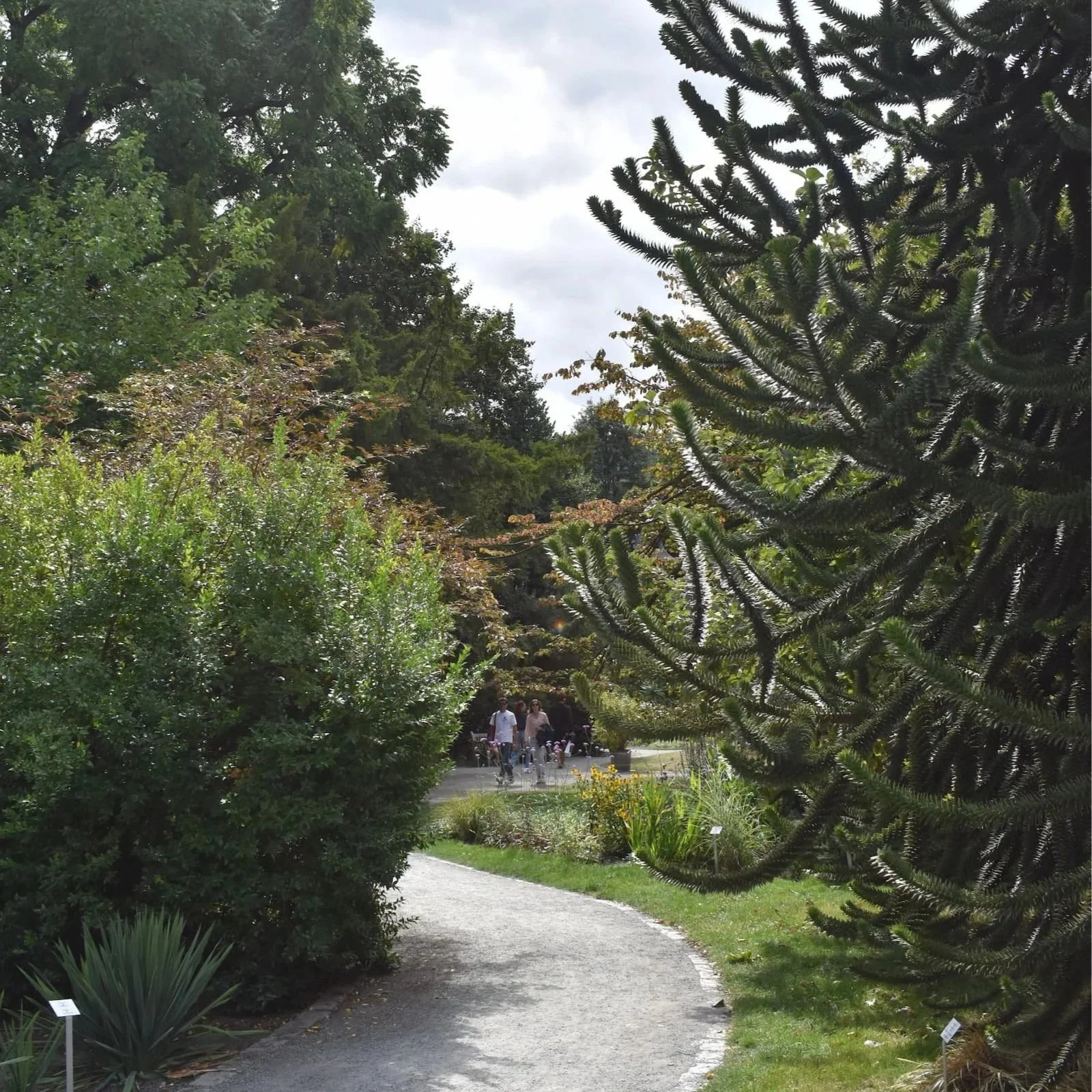
The monkey puzzle tree, at right, is always a curious sight.
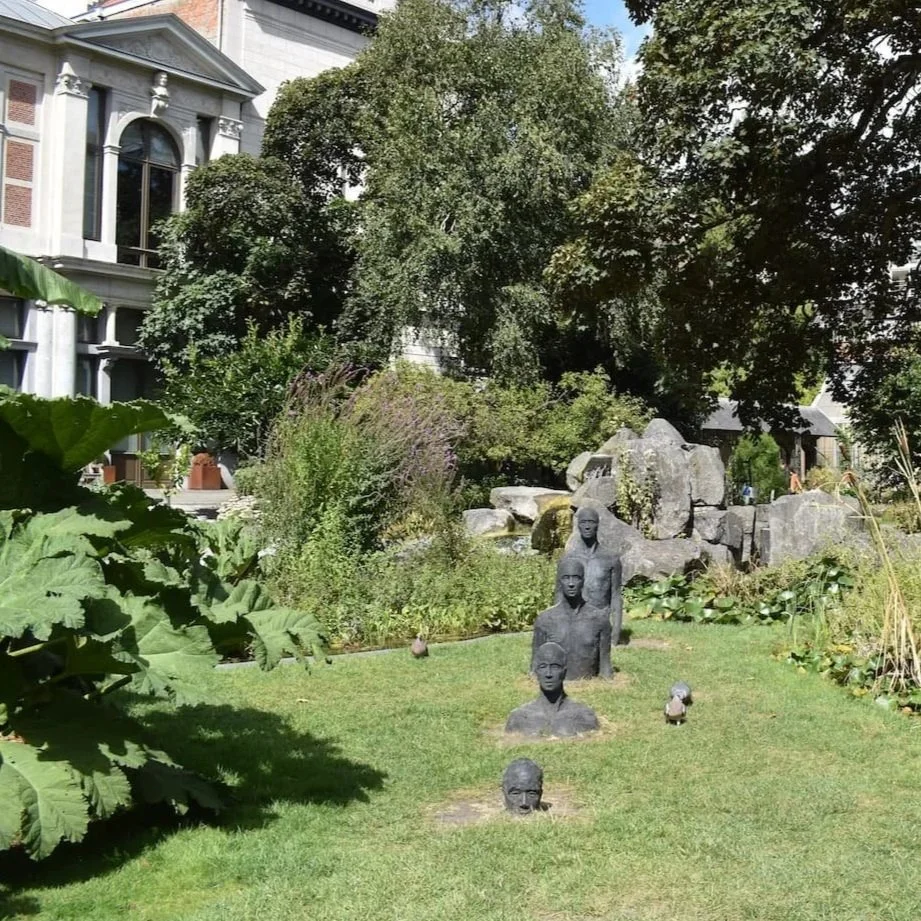
Den Botaniek includes an art installation among its plantings.
Afternoon: Commerce, Architecture, and Contemporary Design
Handelsbeurs is one of Antwerp’s most historically significant buildings.
Constructed in 1531, it was the world’s first purpose-built stock exchange, and a symbol of Antwerp’s role as one of Europe’s most powerful trading cities during the Renaissance.
AFTER SITTING UNUSED FOR YEARS, THE BUILDING REOPENED IN 2019, BEAUTIFULLY RESTORED AND REPURPOSED AS AN EVENT SPACE.
This is a stunning building, so be sure to snap a few photos while admiring the craftsmanship and historical map murals that line the walls.
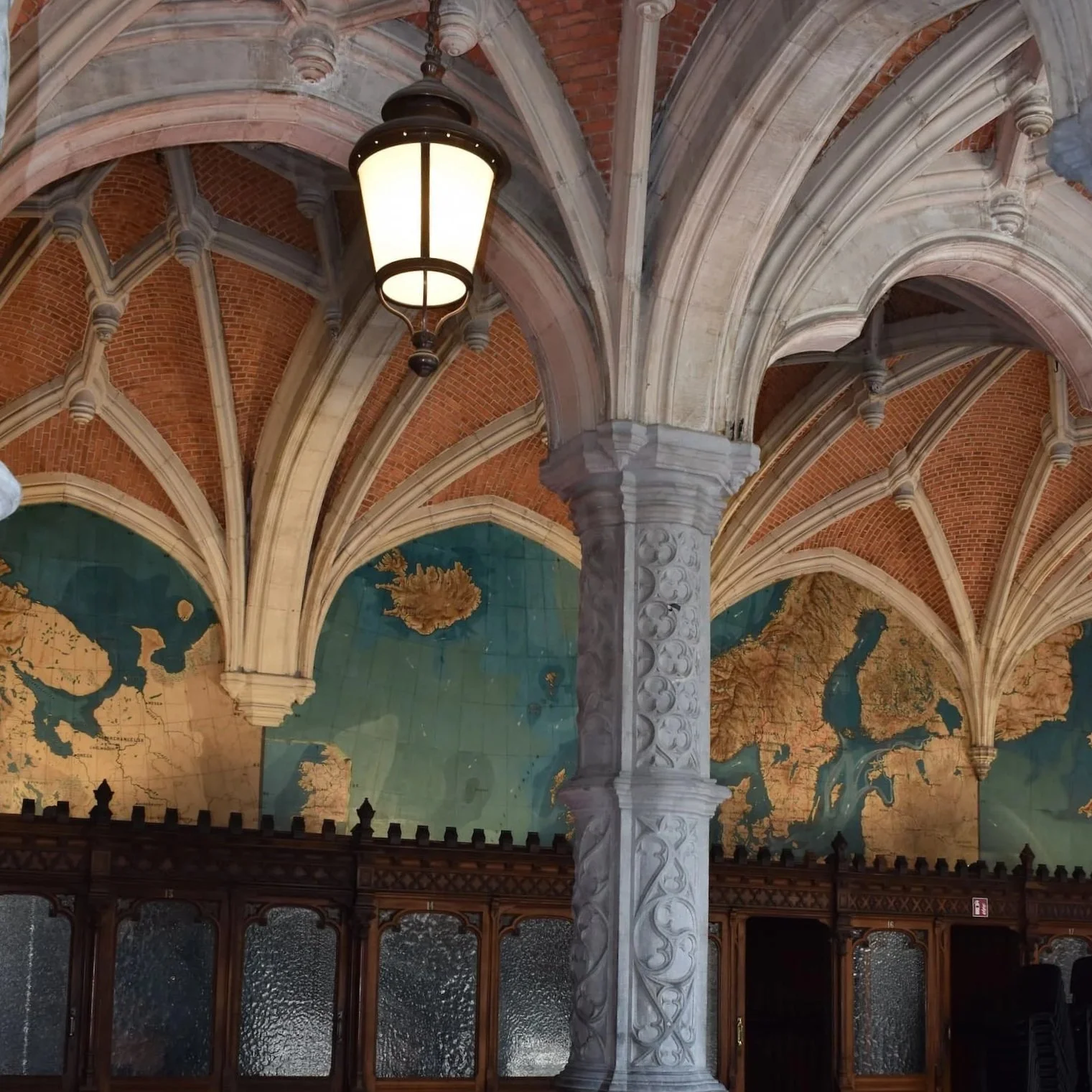
I loved everything about Handelsbeurs - the ornate columns, the arched ceilings, and the old map murals that line the walls.
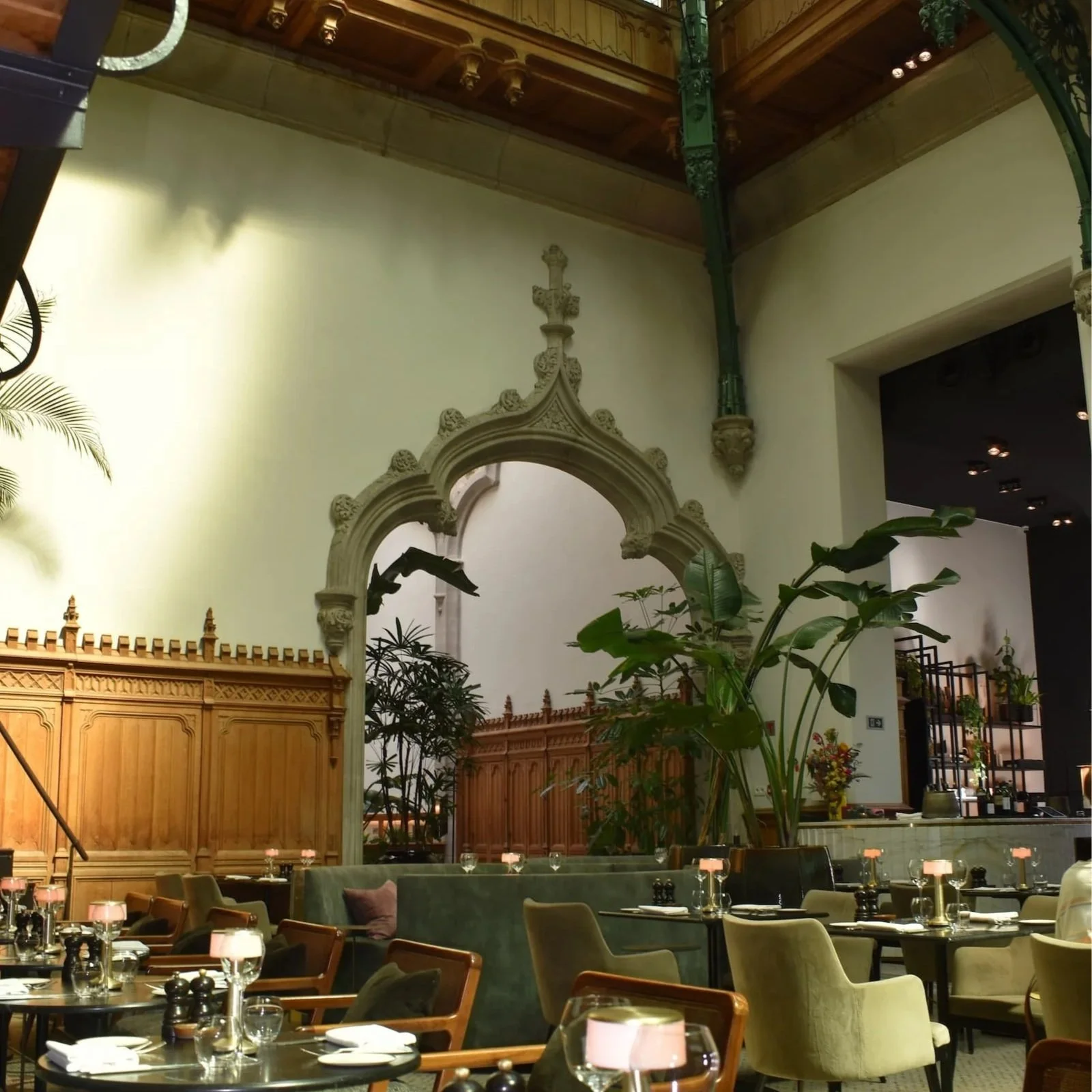
The restaurant Fiera, located inside Handelsbeurs, amps up the drama by highlighting the structures architectural details.
Inside the Handelsbeurs, you’ll find Fiera, an excellent spot for lunch.
Dining here is the best way to experience the scale and grandeur of the building while enjoying a relaxing meal.
AFTER LUNCH, TAKE A TAXI OR UBER OUTSIDE THE CITY CENTER TO VISIT THE AXEL VERVOORDT GALLERY.
Belgian designer Axel Vervoordt is internationally known for his wabi-sabi–inspired aesthetic and serene approach to space, as well as his celebrity clients, like the Kardashians.
His gallery complex is one of the most distinctive experiences that Antwerp has to offer.
HOUSED IN A CONVERTED INDUSTRIAL SITE, THE GALLERY IS OPEN TO THE PUBLIC AND FEATURES A ROTATING MIX OF ART, DESIGN, AND ARCHITECTURAL SPACES.
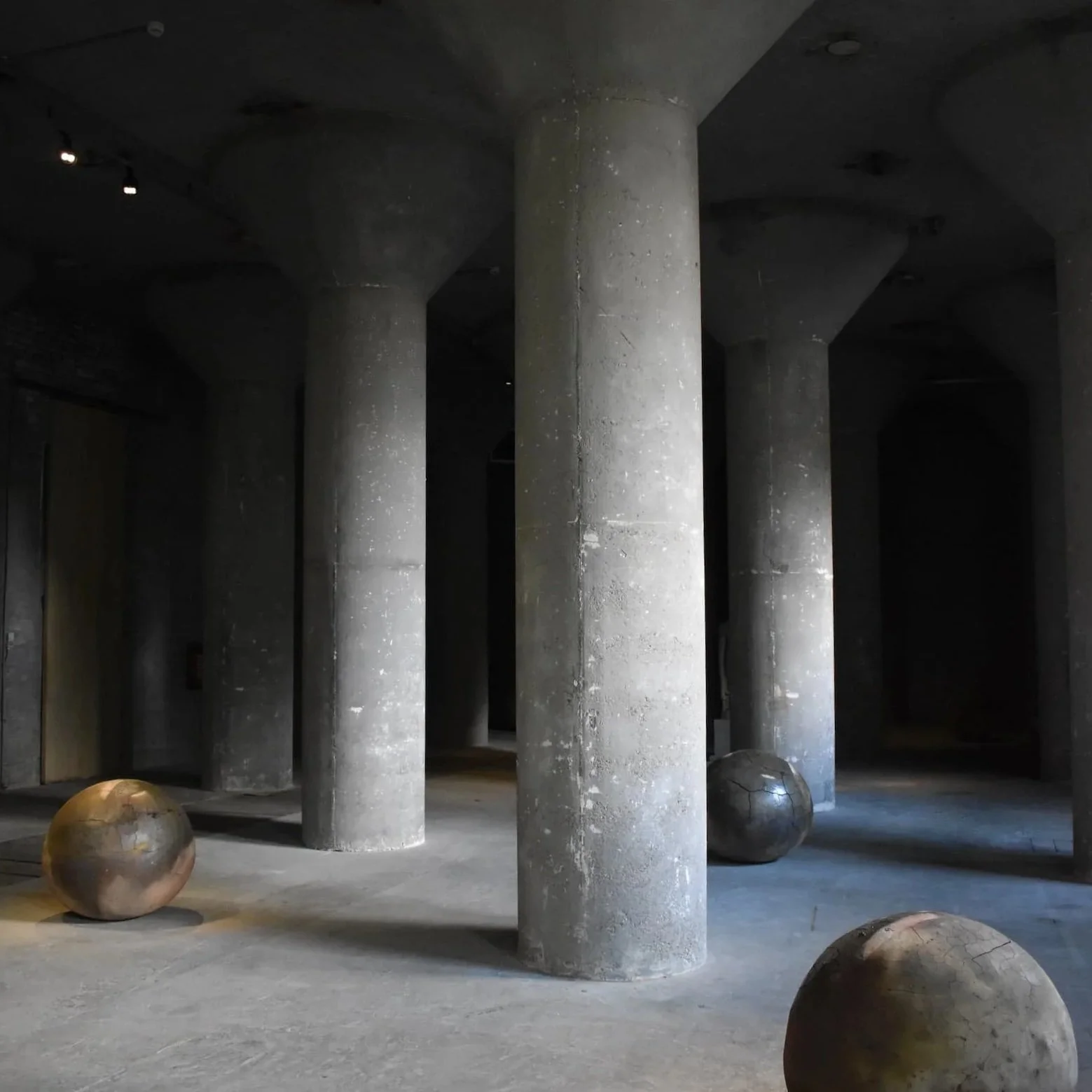
The pieces at Axel Vervoordt Gallery range from stark and contemporary…
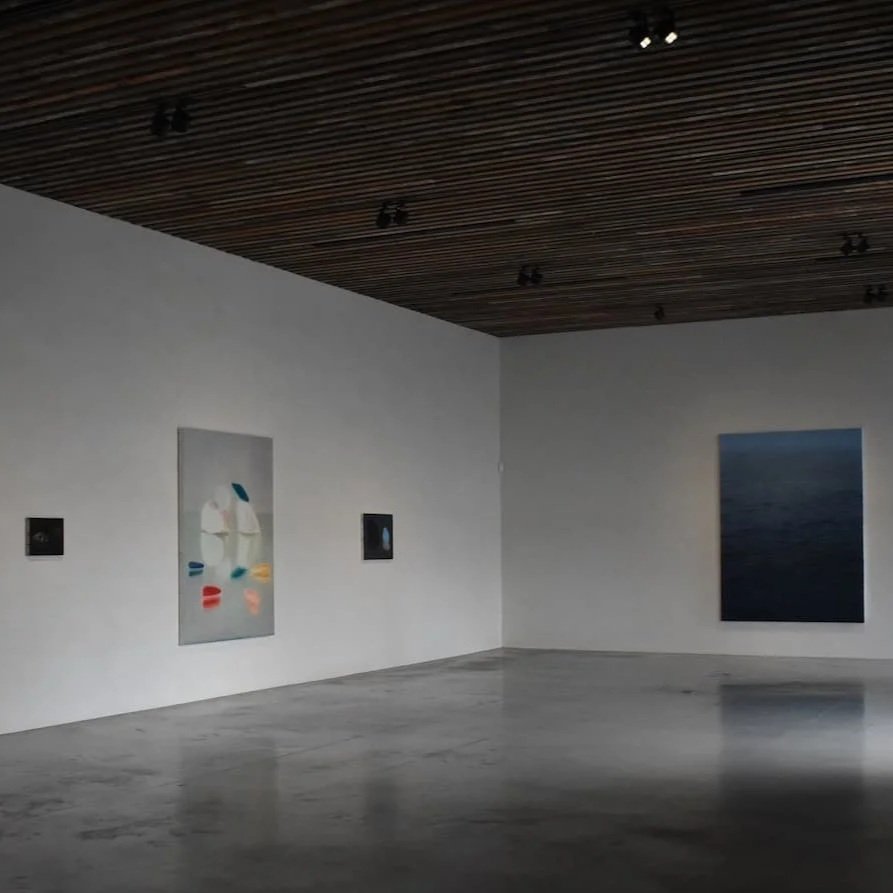
… to more traditional mediums.
This visit does require extra effort in both time and transportation, but it’s also one of the clearest reasons why Antwerp deserves more than a single day, particularly for travelers interested in art and design.
That said, if contemporary art and interiors aren’t your thing, then this stop is probably one you can skip.
Evening: River Walks at Dusk and Antwerp Nightlife
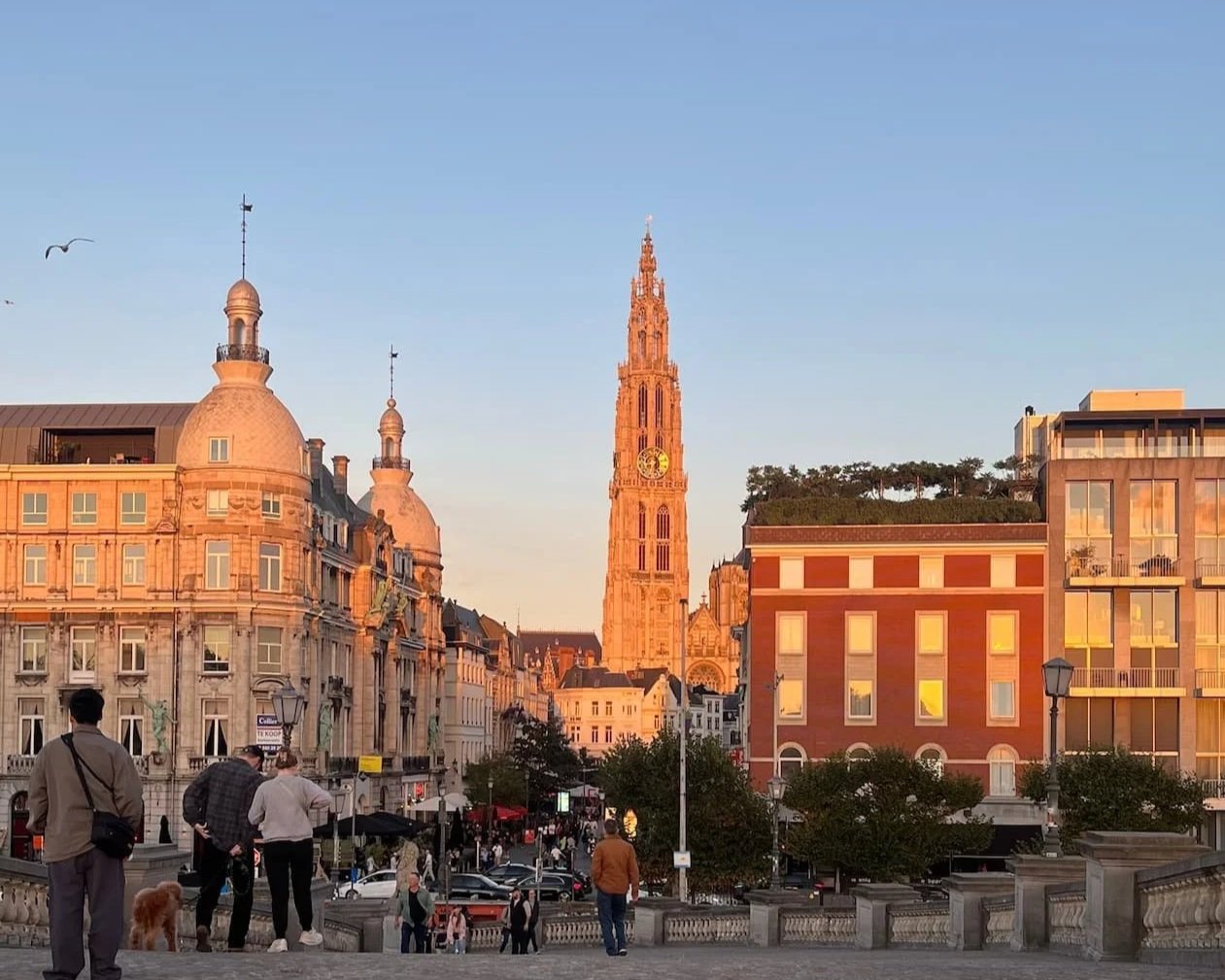
Back in the Cathedral Quarter, as dusk settles in, head toward the Scheldt River for golden hour and sunset views.
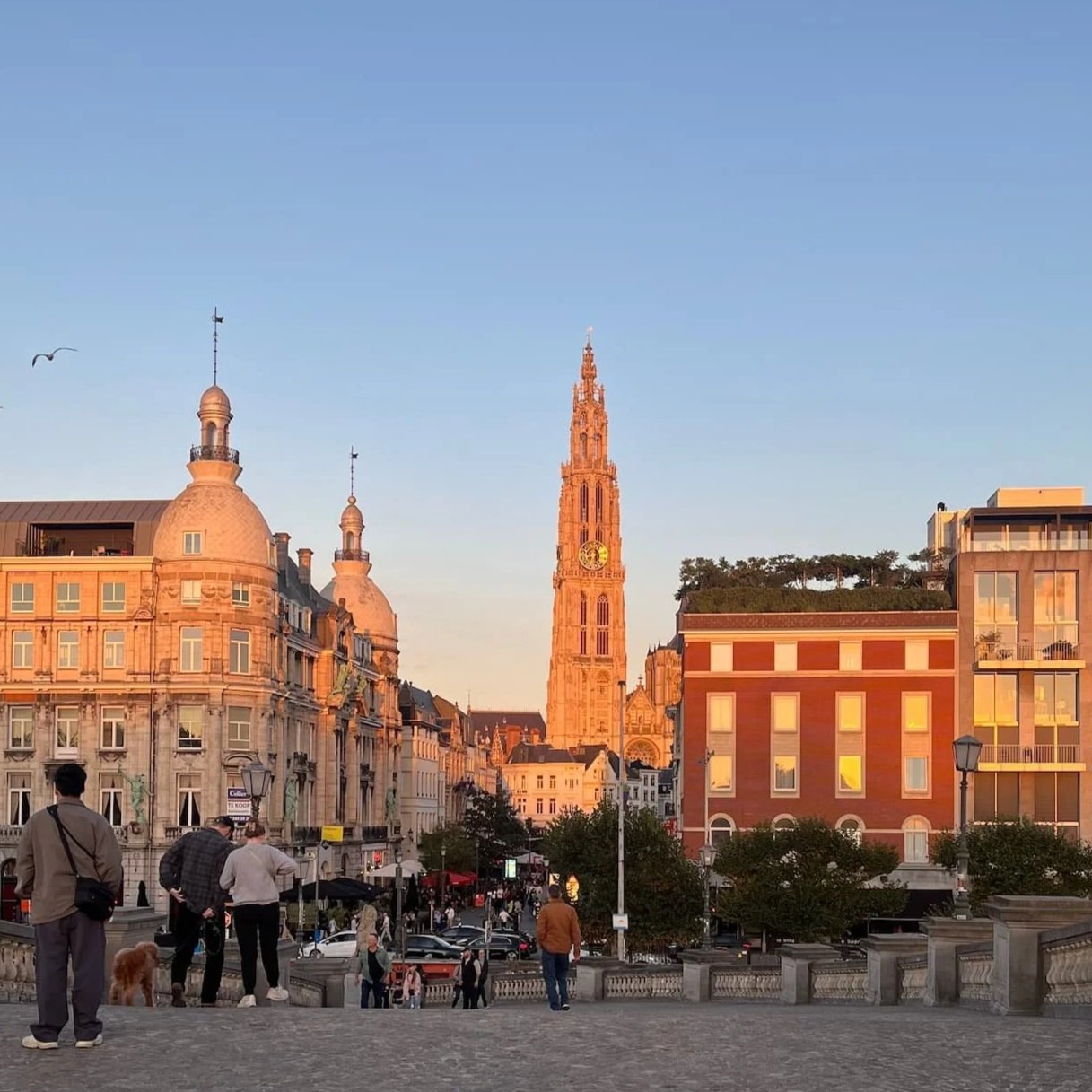
A view of the Cathedral Quarter just before dusk.
THIS IS WHERE ANTWERP’S INDUSTRIAL PAST BECOMES VISIBLE ALONG THE WATERFRONT.
You’ll pass Het Steen, a medieval fortress that once served as a defensive stronghold and now functions as the city’s visitor center.
FROM HERE, YOU CAN OPT FOR VARIOUS FORMS OF NIGHTLIFE.
Several clubs are in the north of the city, in the industrial district, while the Cathedral Quarter offers a few live music venues.
We opted to check out BRISA Antwerp, where DJs, a lively crowd, and a party atmosphere showcased the city’s youthful energy.
Another option is De Muze, a longtime favorite for live jazz performances in a relaxed, intimate setting.
If hunger strikes late, street food is an easy solution.
Frites are everywhere in Belgium, and Frites Atelier is widely regarded as one of the best places in the city for a more polished version of the classic.

Day 3: Hidden Corners, Chinatown, and Fine Art
Morning: Coffee and Hidden Alleys
Begin your final day with breakfast at Ray’s Coffee, a relaxed spot near the historic center.
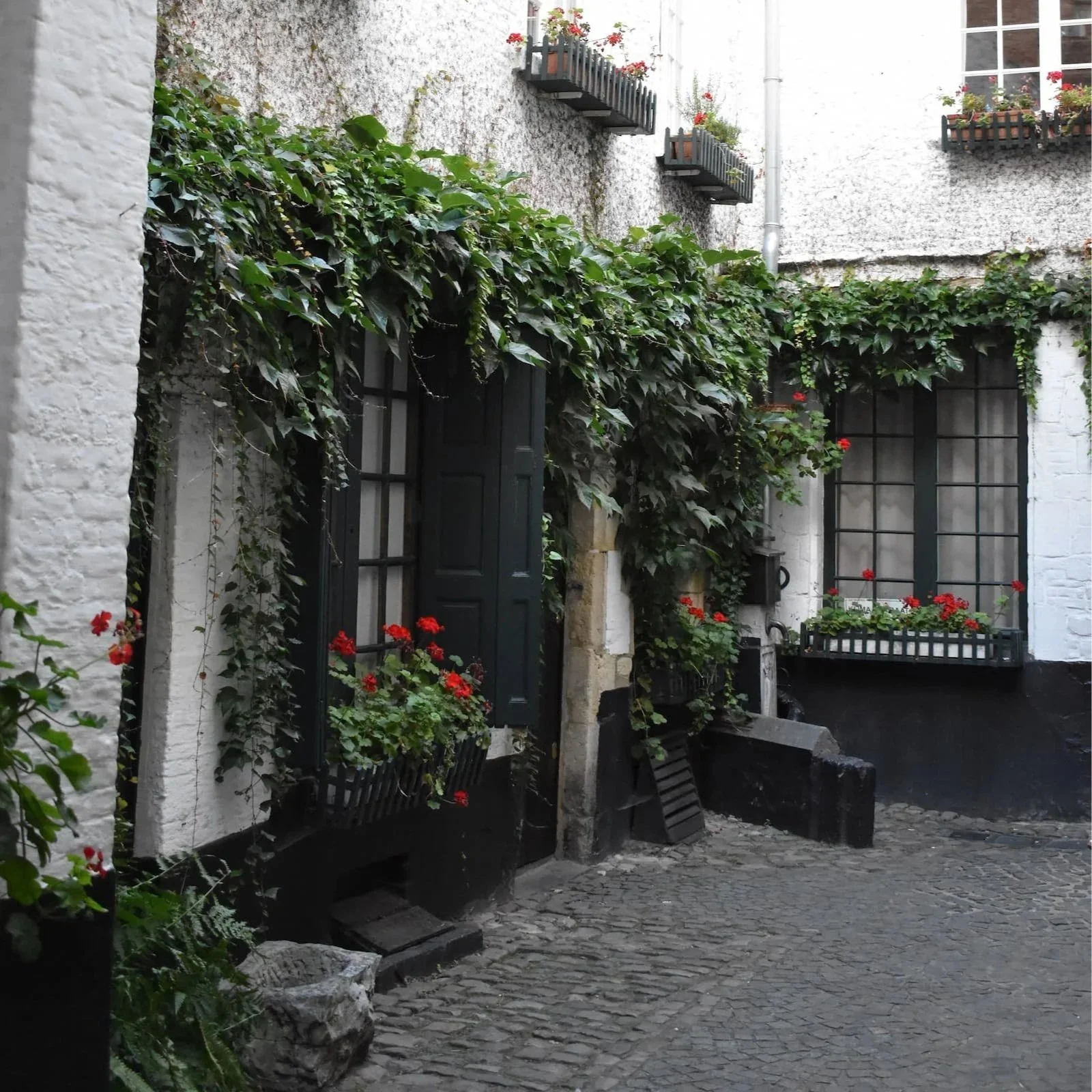
From there, head to Vlaeykensgang, a narrow medieval alley tucked away just steps from the Cathedral of Our Lady.
VLAEYKENSGANG FEELS LIKE STEPPING BACK IN TIME.
Shielded from the main streets, this secret passage offers a rare sense of what Antwerp might have felt like centuries ago.
Afternoon: Chinatown and KMSKA
Next, walk to Van Wesenbekestraat, the heart of Antwerp’s Chinatown.
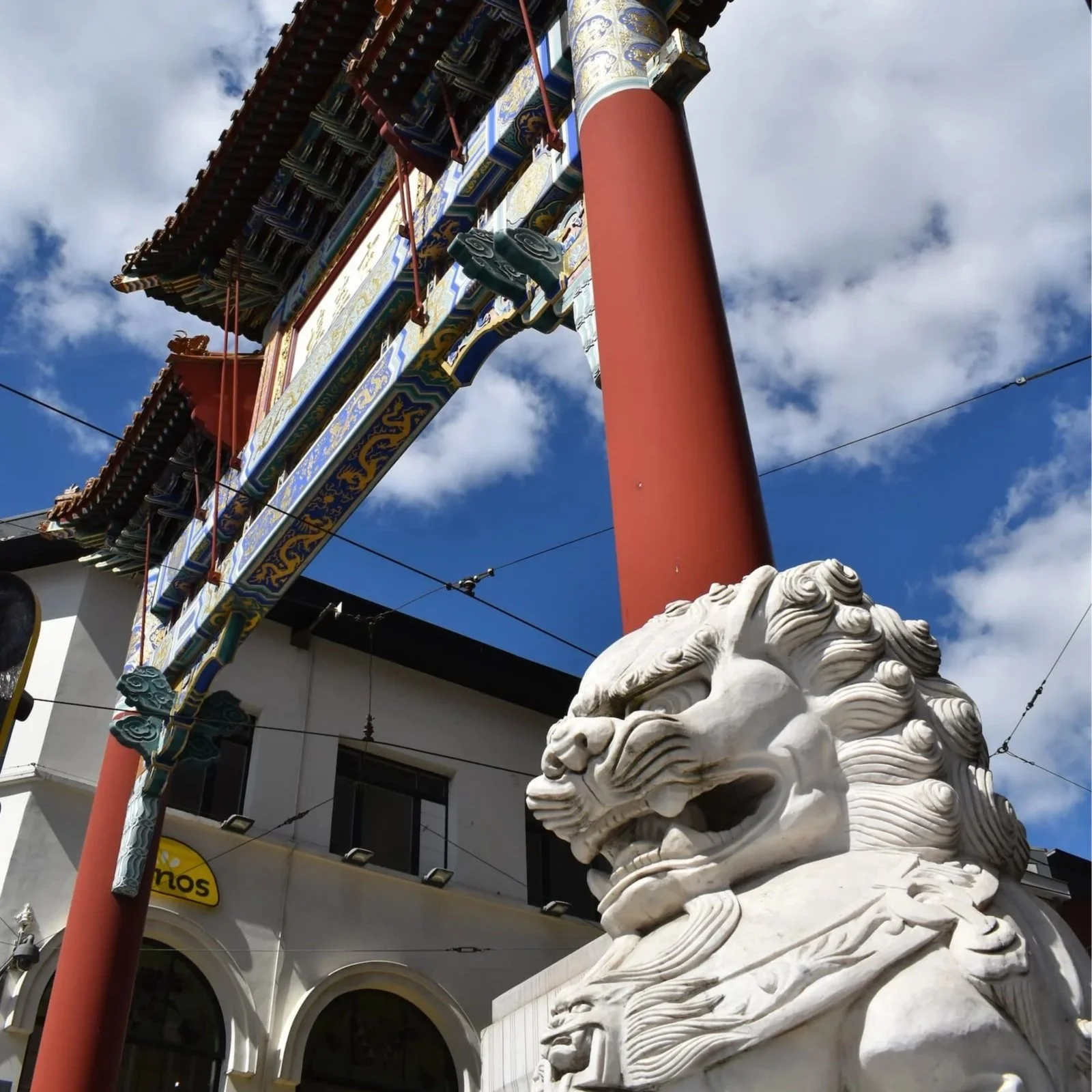
The gate to Antwerp’s Chinatown on Van Wesenbekestraat.
Though compact, the neighborhood is lively and full of character, with markets, bakeries, and restaurants that reflect Antwerp’s long history as a port city and crossroads of cultures.
FOR LUNCH, KUNTHUN IS A STANDOUT CHOICE.
Specializing in Tibetan cuisine, it’s known for its momos and comforting soups — a reminder that there’s more to Antwerp’s culinary scene than just frites and beer.
After lunch, dedicate an hour or more to the Royal Museum of Fine Arts Antwerp.
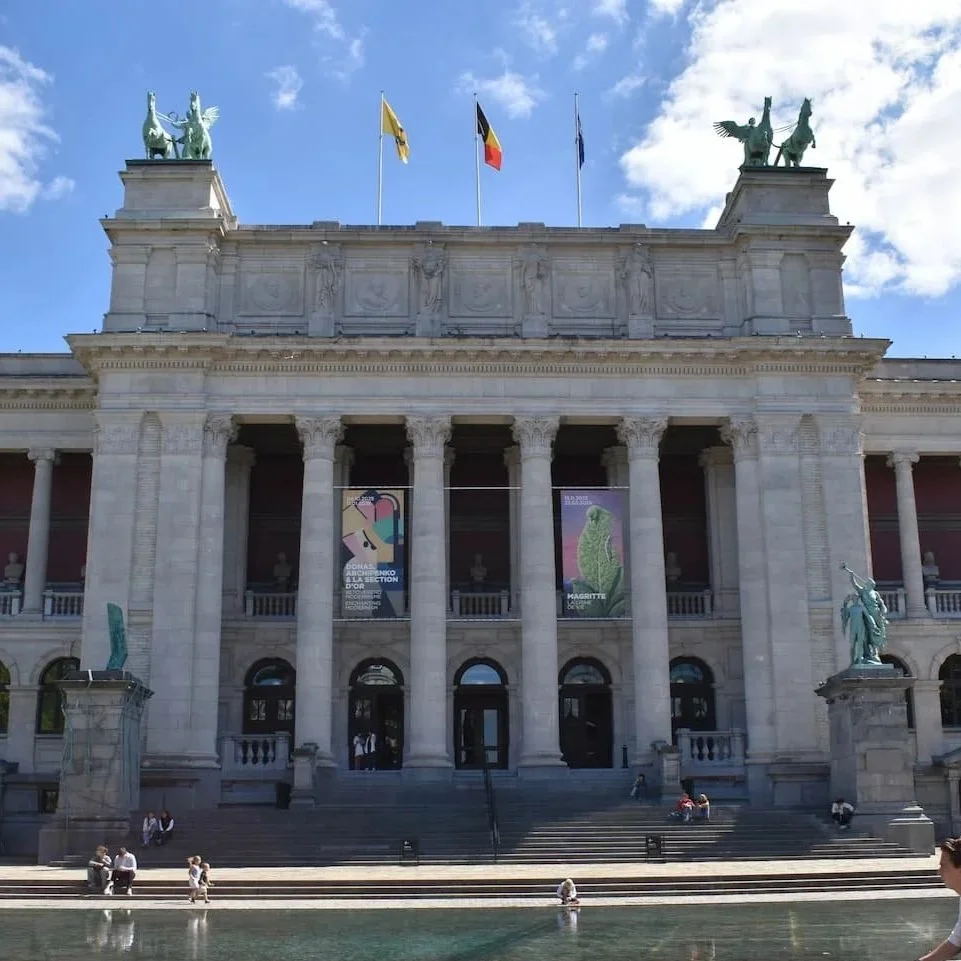
The Royal Museum of Fine Arts Antwerp.
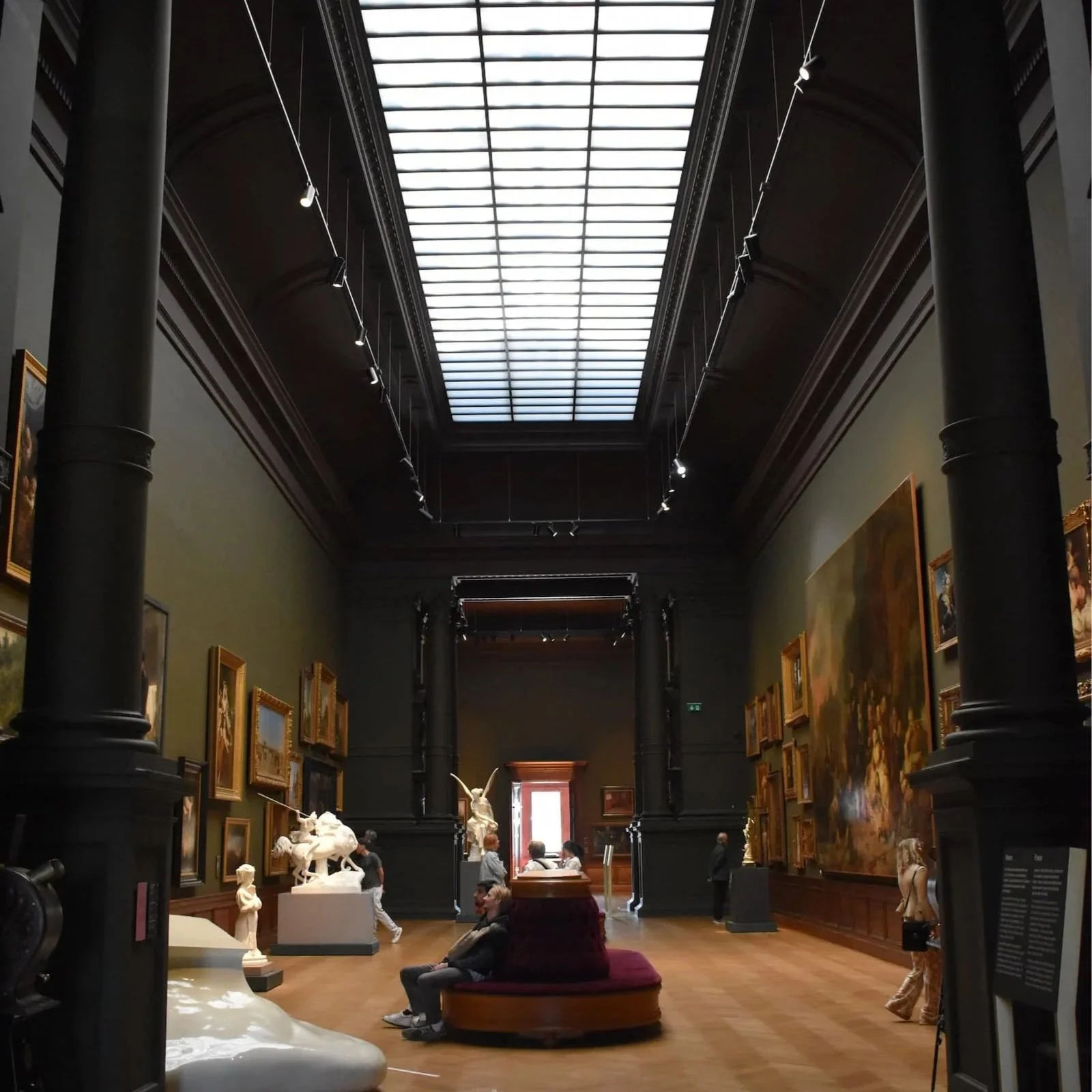
The main gallery is a mix of paintings and sculptures.
Often abbreviated as KMSKA, this museum is a must for art lovers, particularly those who feel that many fine art museums begin to blur together.
After an 11-year renovation, it reopened with a fresh curatorial approach that juxtaposes Flemish masters like Rubens and Van Dyck with modern artists such as James Ensor and René Magritte.
Thoughtful exhibition design, digital installations, and playful contemporary interventions make the experience feel more dynamic than at other major museums.
KEEP AN EYE OUT FOR THE GIANT, ROTATING MECHANIC HAND IN ONE OF THE GALLERIES.
I loved this museum and actually went back a second time during my visit to Antwerp!
Evening: Art Nouveau and Farewell Antwerp
After leaving KMSKA, seek out Het Bootje, a whimsical Art Nouveau building whose corner balcony is shaped like the bow of a ship.
It’s a small detail, but one that perfectly captures Antwerp’s architectural personality.
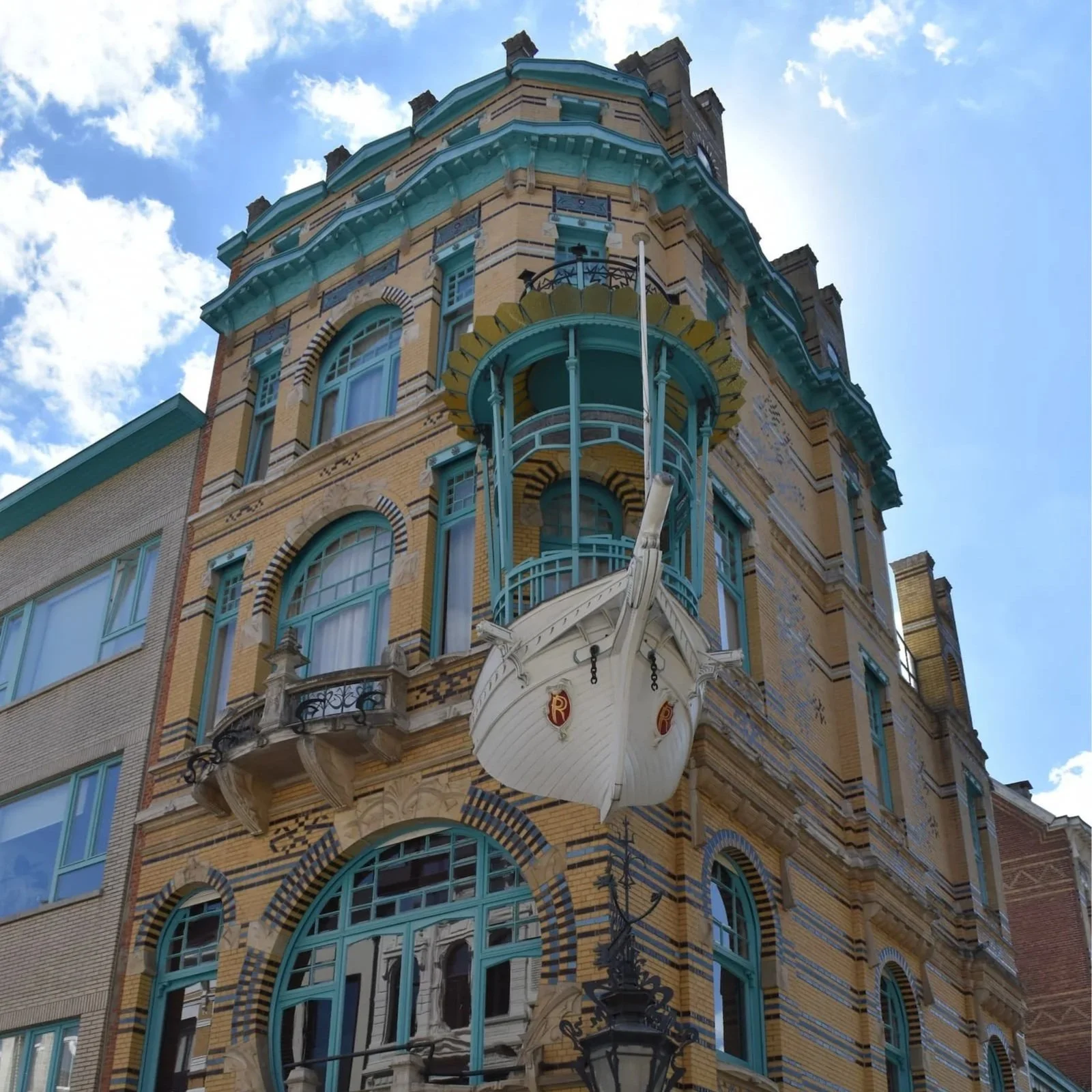
Het Bootje, a whimsical Art Nouveau feature.
Spend your final moments browsing boutiques or magazine shops, picking up design publications or small objects to bring home.
IT’S A FITTING WAY TO CLOSE OUT A TRIP TO A CITY IMBUED WITH SO MUCH CREATIVE ENERGY.
WATCH THIS ITINERARY ON YOUTUBE
Conclusion
So, is Antwerp more than a day trip?
YES!
Sure, you can treat Antwerp as a simple stopover.
But if you enjoy art, fashion, architecture, and design, you’ll want to invest more time here.
IN MY OPINION, THREE DAYS IS THE SWEET SPOT FOR ANTWERP.
It gives you time to explore the historic side of the city, dive into its contemporary creative scene, and experience neighborhoods and institutions that most day-trippers miss.
Antwerp is an under the radar destination that truly rewards those who take time to explore it!
Until next time,
Angela ✨
YOU’LL ALSO LOVE…