


France Travel Guide
France is known for its joie de vivre, a way of delighting in the simple beauty of life and pleasure in the everyday. Travelers come for its rich mix of culture, cuisine, and scenery, from the elegance of Paris to the vineyards of Bordeaux and the sunlit coastlines of the Riviera. Beyond the major cities, though, each region offers its own character, culture, and local traditions.
This travel guide introduces you to the best of France, with practical advice on what to expect, how to get around, and the top experiences to include on your itinerary.


What to Expect in France
Weather
France has a varied climate shaped by its size and geography.
Northern and western regions, including Paris, Normandy, and Brittany, have mild, maritime weather with cool winters around 35–45°F (2–7°C) and warm summers that average 70–77°F (21–25°C).
Central and eastern areas, such as the Loire Valley, Burgundy, and Alsace, experience more seasonal contrast, with colder winters, warm summers that can reach the mid-80s°F (around 30°C), and crisp autumns.
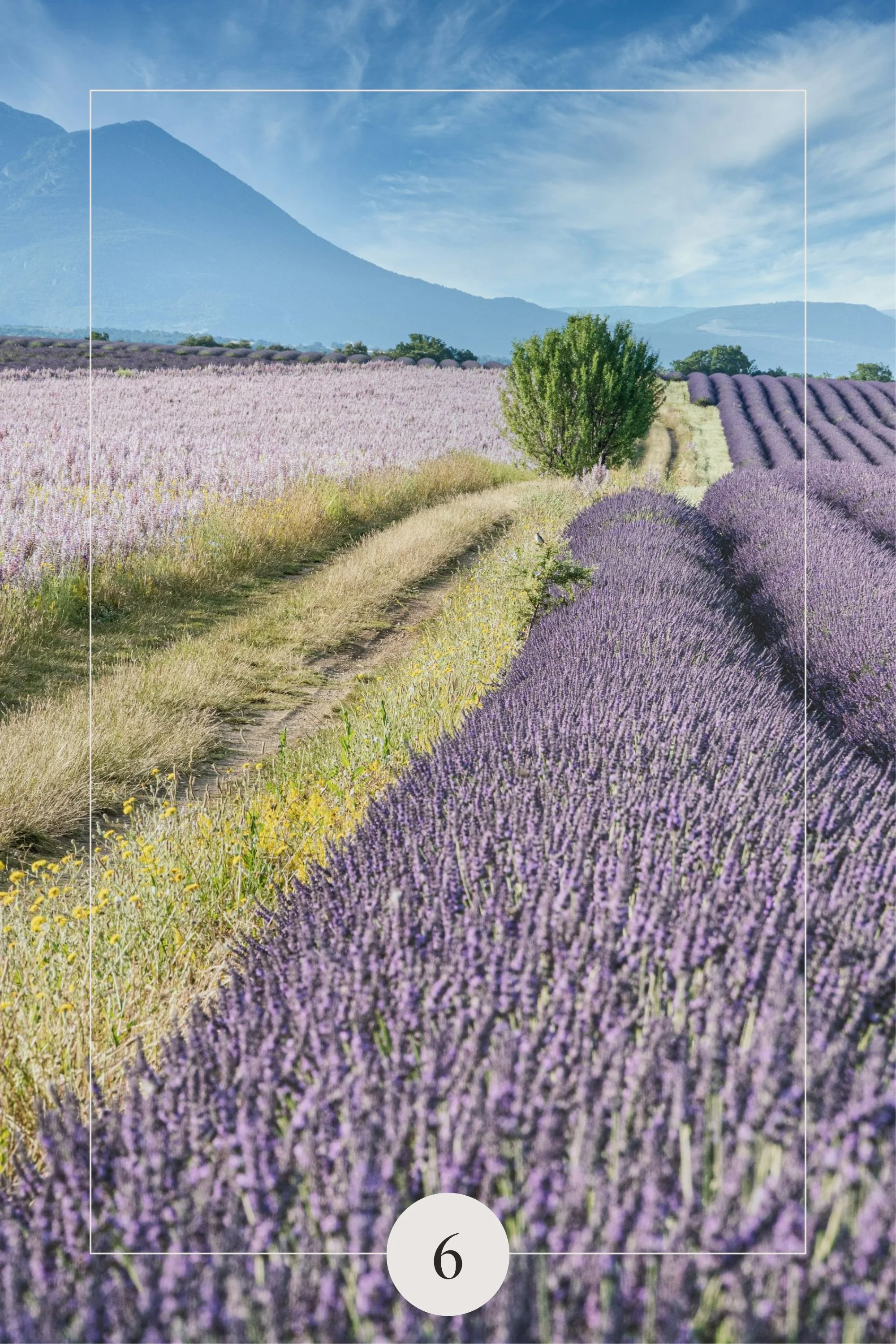
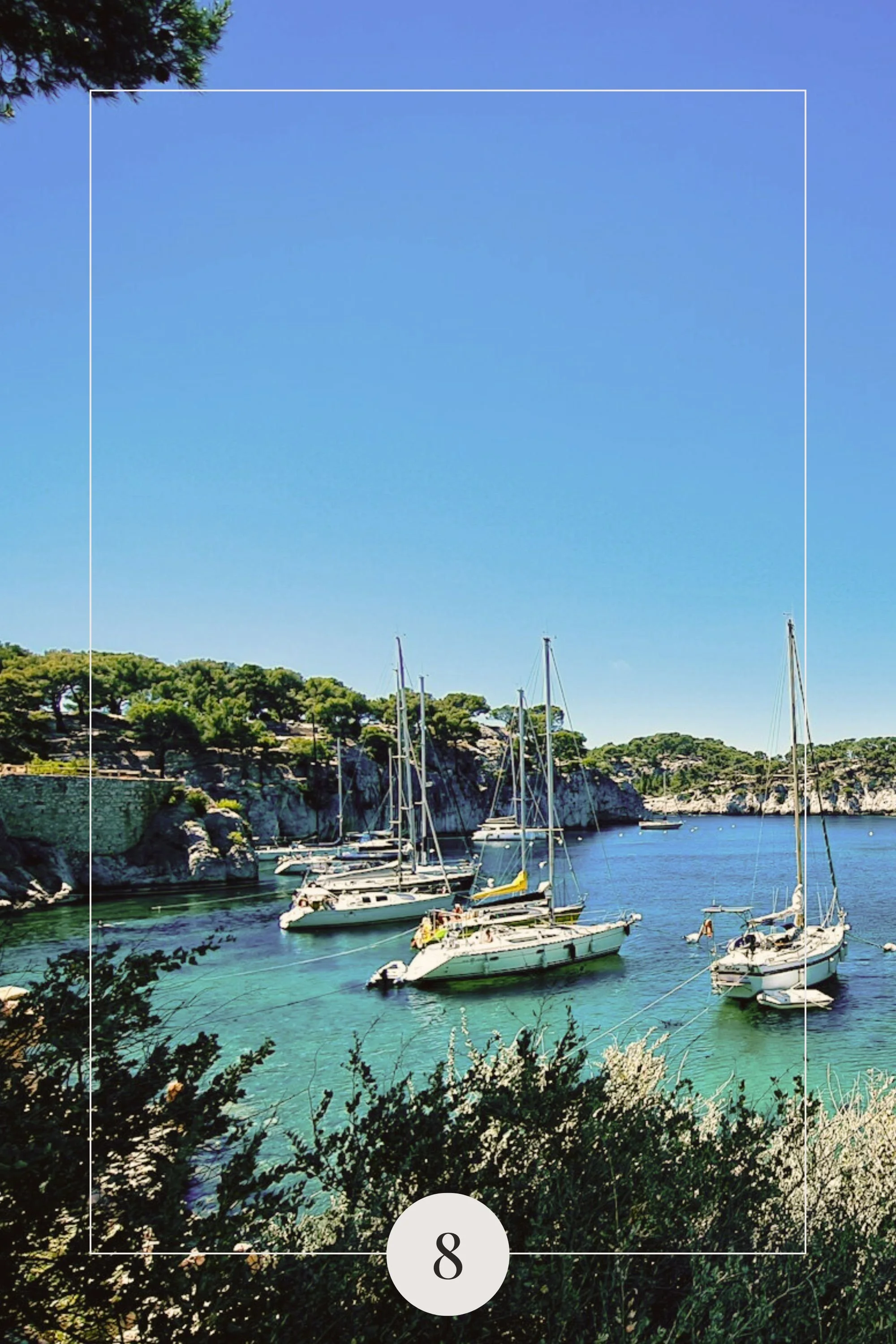
Southern France, including Provence and the French Riviera, enjoys a Mediterranean climate with hot, dry summers often rising above 86°F (30°C) and mild winters that hover around 50–55°F (10–13°C).
Mountain regions like the Alps and Pyrenees see heavy winter snowfall and mild summers ideal for hiking.
Best Time to Visit
Spring (April to June) and autumn (September to October) are considered the best times to visit France, offering pleasant temperatures and lighter crowds.
Summer is peak travel season, especially in Paris and along the Mediterranean coast, while winter attracts travelers to Christmas markets in Alsace and ski resorts in the Alps. City breaks during the cooler months also remain popular thanks to museums, dining, and indoor cultural events.
Language
French is the official language of France, though regional dialects and languages, such as Occitan, Breton, and Alsatian, have deep cultural roots in their respective areas.
English is widely understood in major cities and tourist destinations, but less common in smaller towns. Learning a few simple French phrases is appreciated and often enhances day-to-day interactions with locals.
Currency
France uses the euro (€). Credit and debit cards are widely accepted, and contactless payment is common across shops, restaurants, and public transport.
Carrying a small amount of cash is helpful for local markets or small businesses, and ATMs are easy to find throughout the country.
Getting There
France is one of Europe’s major travel hubs. Paris Charles de Gaulle is the primary international airport with extensive global routes, while airports in Nice, Lyon, Marseille, and Bordeaux also serve international travelers.
High-speed trains connect France with neighboring countries, including the Eurostar from London to Paris and TGV services linking Belgium, Germany, Switzerland, Spain, and Italy.
Ferries operate between France and the United Kingdom, Ireland, and Mediterranean destinations, and well-maintained highways make driving from nearby countries easy for those who prefer to drive.
How to Get Around France

Train

Rental Car

Private Transfer

Ferry

Bus
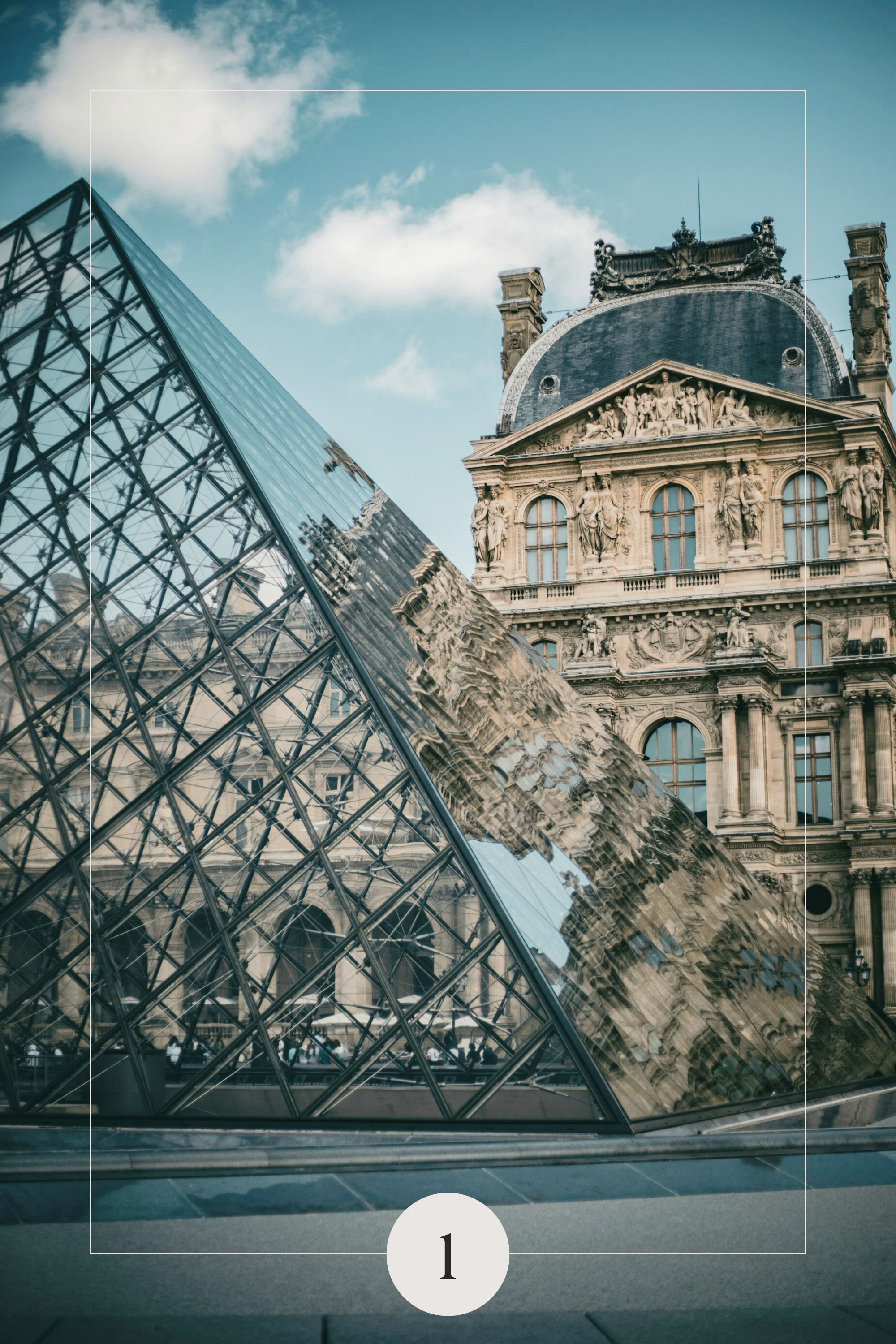
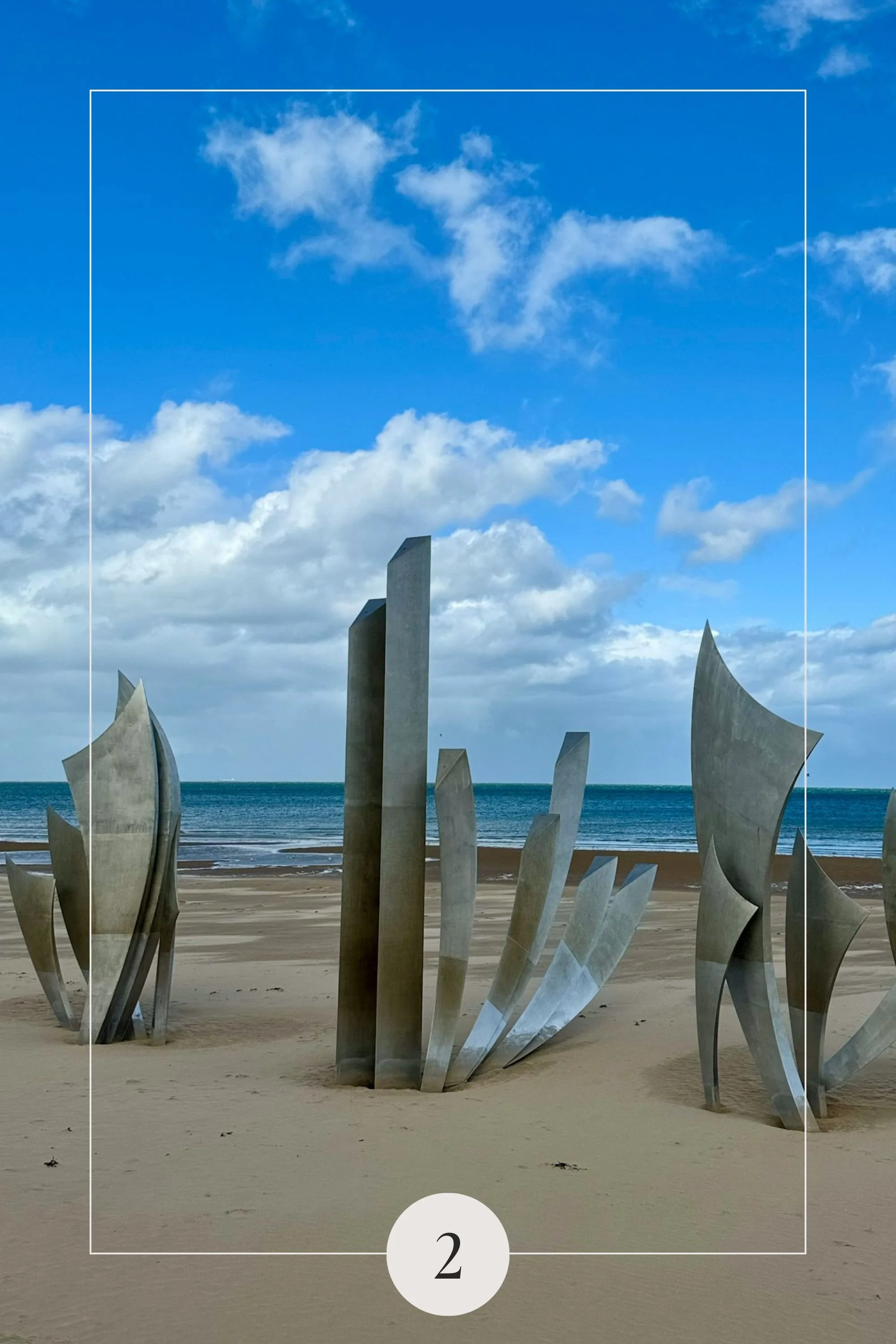
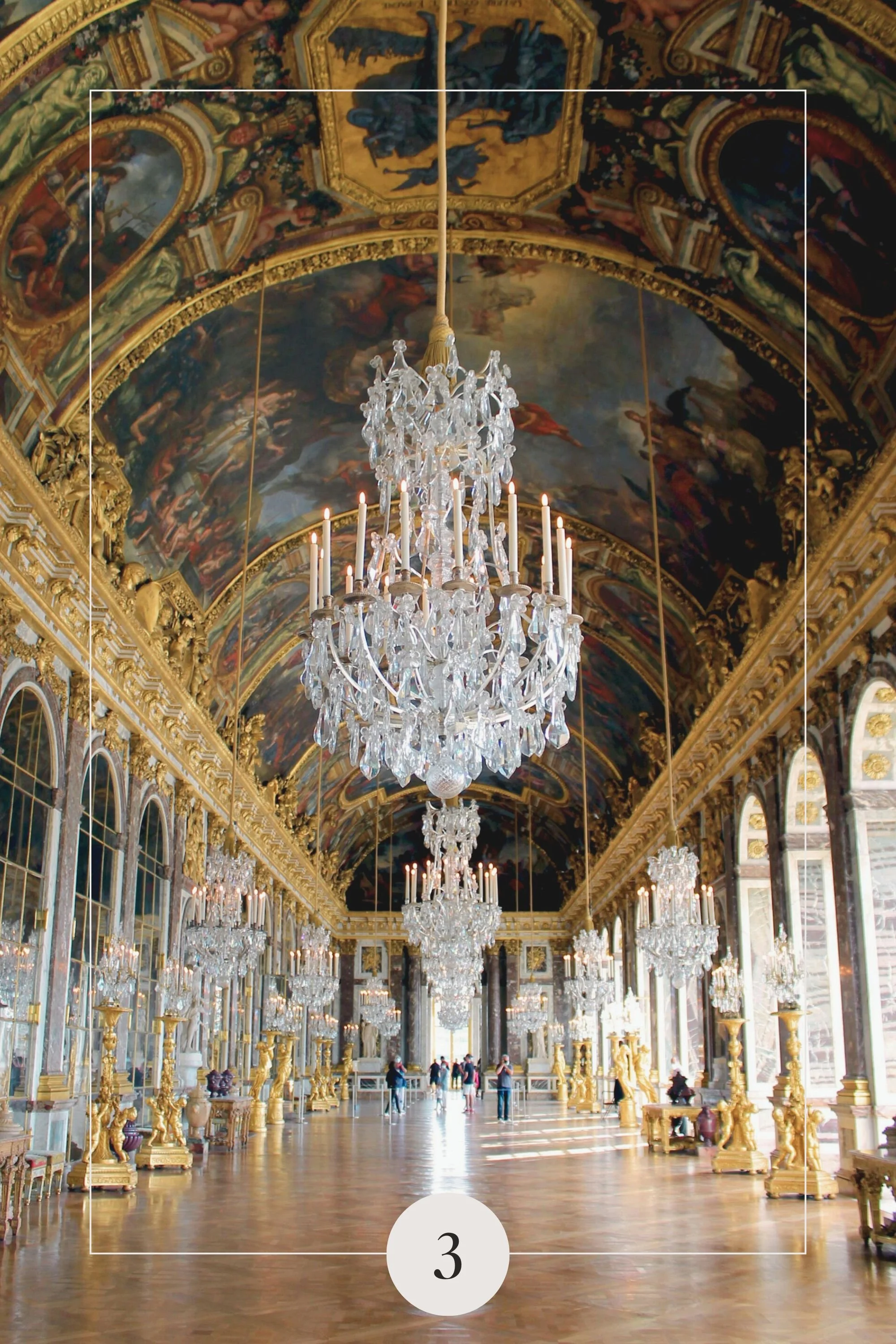
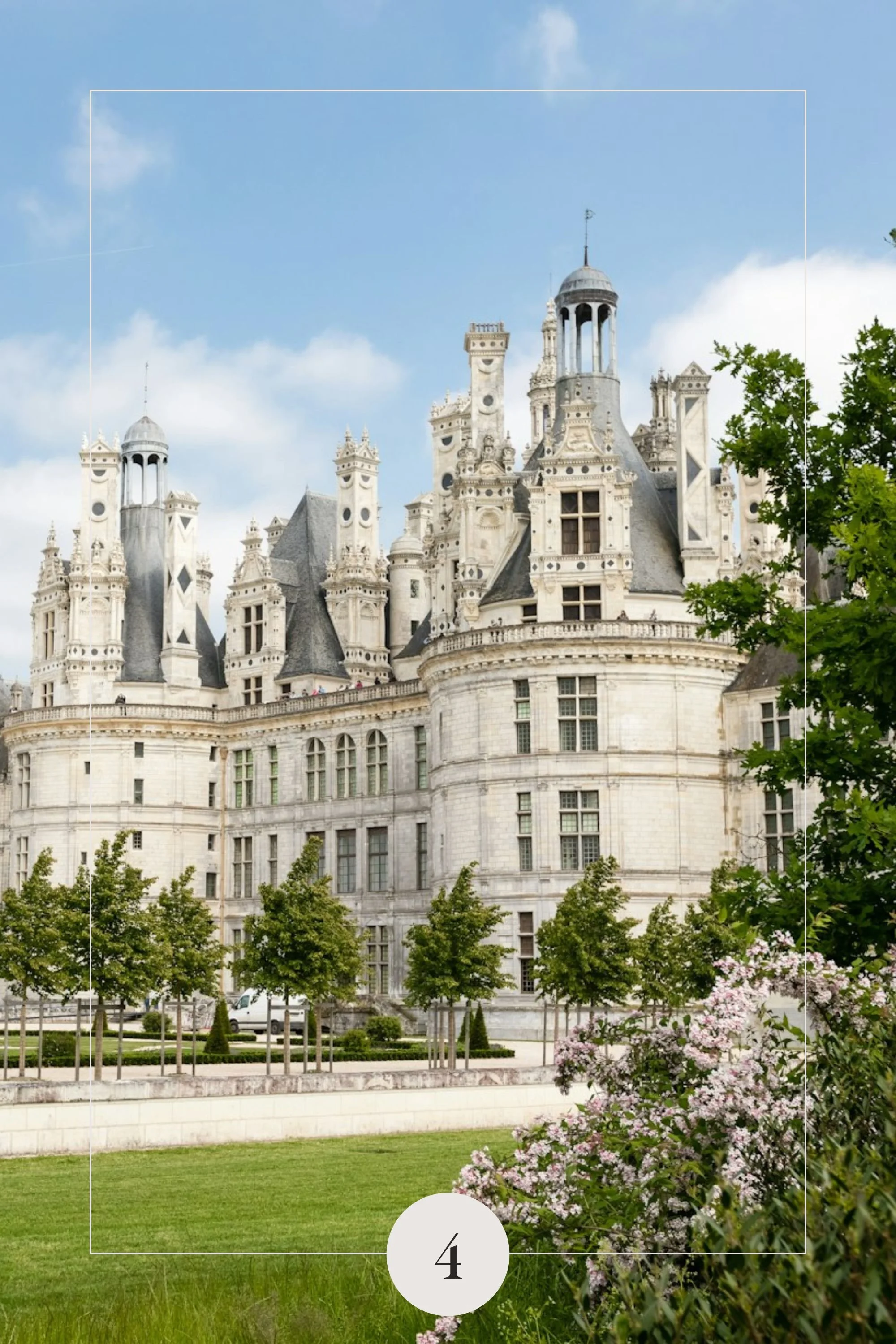
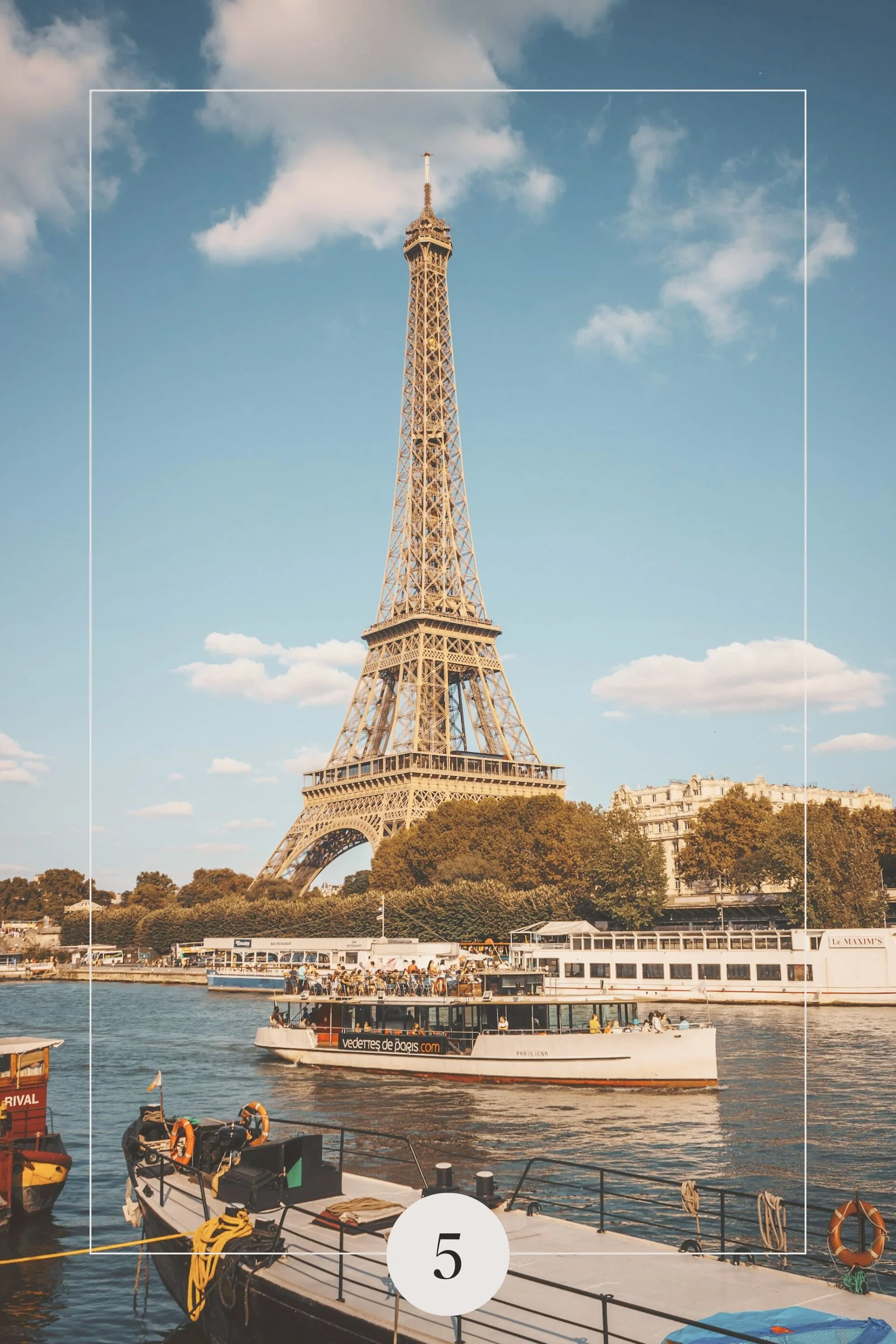
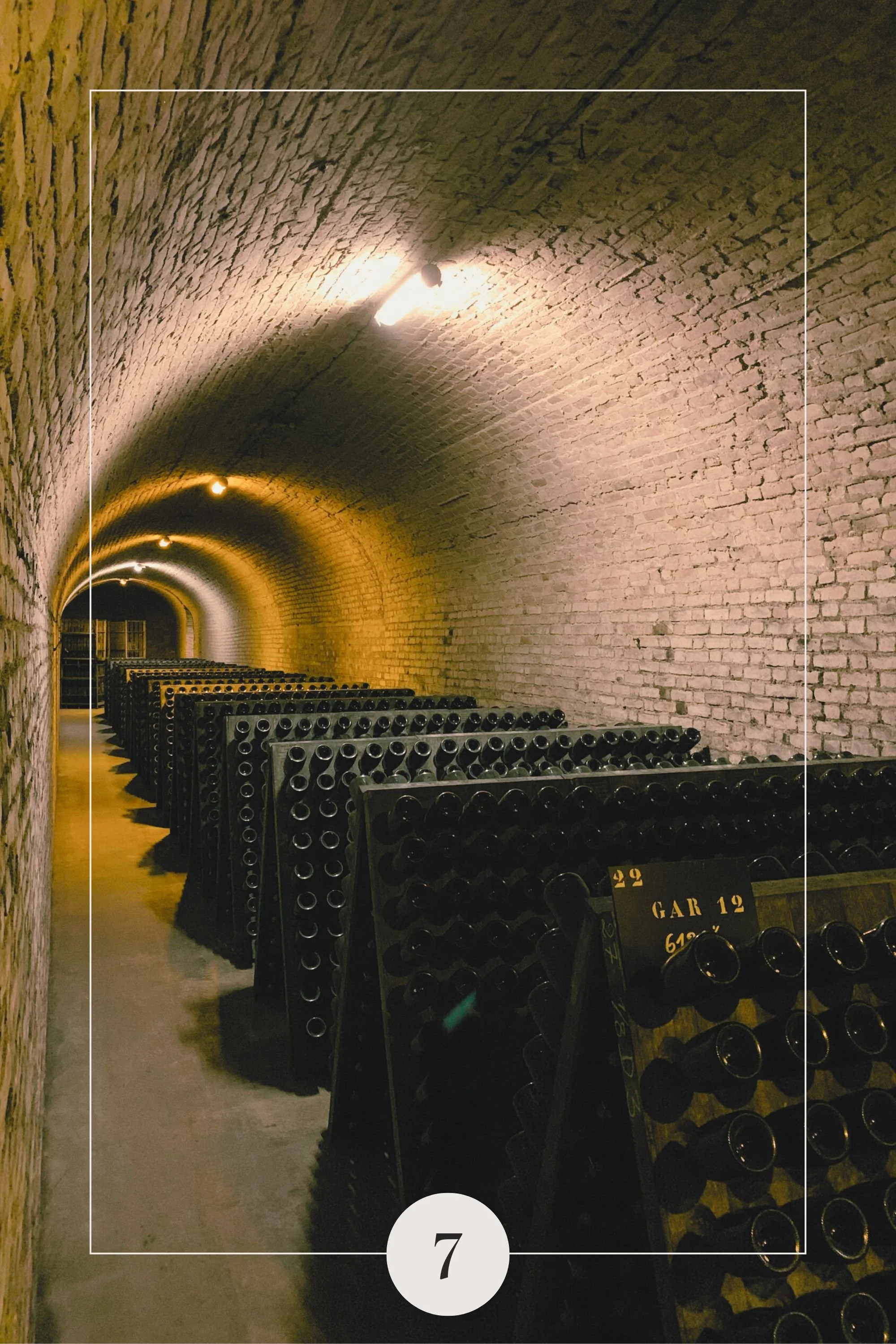
Top Experiences in France
LATEST POSTS ABOUT FRANCE
WHAT TO PACK FOR FRANCE
France FAQ
-
Plan 10 to 14 days to see France at a relaxed pace. A week works for Paris and one additional region such as Normandy or Provence. With more time, you can add a third destination without feeling rushed.
-
High-speed trains are the fastest way to travel between major cities, including Paris, Lyon, and Marseille. Regional trains and buses provide access to smaller towns, but if you're exploring countryside regions like Provence, Burgundy, and the Loire Valley, a rental car will be your best option.
-
Credit and debit cards are widely accepted, and contactless payments are common. Still, carrying a small amount of euros is helpful for cafés, open-air markets, and highway tolls.
“...the French air clears up the brain and does good – a world of good.“
Vincent Van Gogh