

Switzerland Travel Guide
Alpine landscapes and chic urban excitement coexist in Switzerland. The scenery is a mix of snow covered peaks and clear lakes, while Zurich, Geneva, and Basel offer museums, dining, and contemporary design. But beneath this natural beauty lie diverse regional identities, with distinctly French, German, and Italian speaking regions.
This travel guide outlines what to expect on a trip to Switzerland, how to navigate the country using its reliable train network, and the top experiences to add to your itinerary.
Destinations
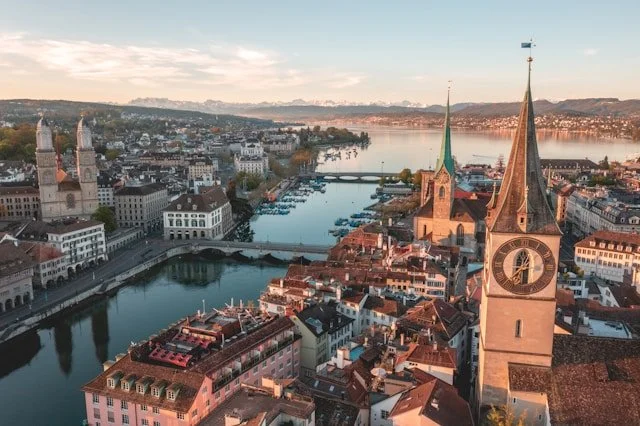
Basel Geneva Zurich
What to Expect in Switzerland
Weather
Switzerland’s climate varies significantly between its lowland cities and high Alpine regions.
Summers are warm and pleasant, averaging 70–80°F (21–27°C) in the lowlands, while higher elevations remain cooler. Rain is common in spring and early summer, particularly in the central and northern regions. Autumn often brings crisp air, clear skies, and vibrant landscapes.
Winters are cold across the country, with temperatures in Zurich, Geneva, and Basel typically ranging from 28–40°F (–2 to 4°C). Mountain regions, especially in the Alps, see heavy snowfall and much colder conditions, making them prime skiing destinations from December through March.
Best Time to Visit
The best time to visit Switzerland depends on your plans.
Summer (June to September) is ideal for hiking, lake activities, and scenic train journeys, with long daylight hours and comfortable temperatures.
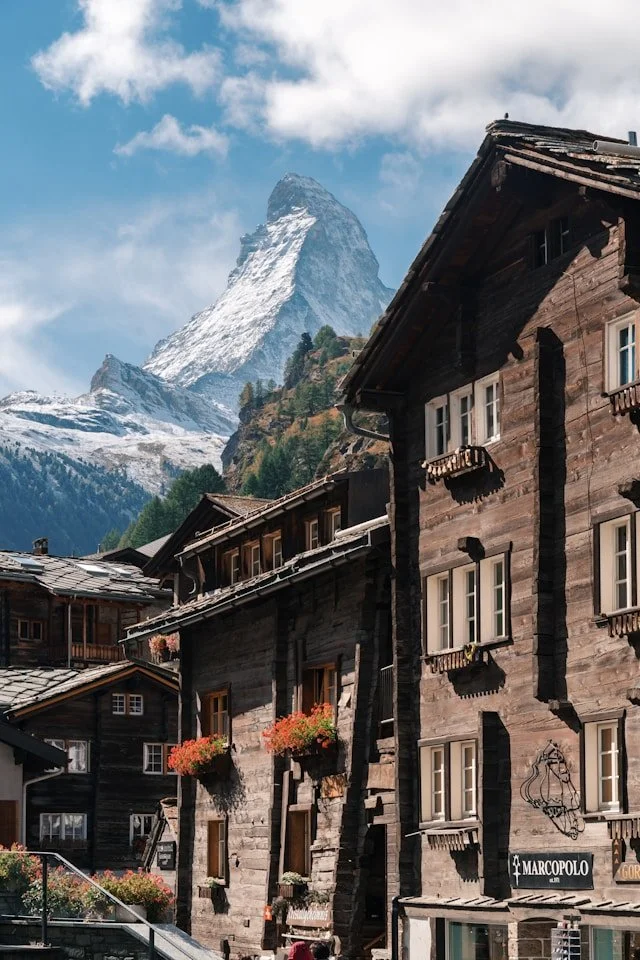
Winter (December to March) is peak season for skiing, snowboarding, and other Alpine activities, especially in resorts such as Zermatt, St. Moritz, and Verbier.
For milder weather and fewer crowds, late spring (May) and early autumn (September to October) offer excellent conditions for city visits and outdoor exploring.
Language
Switzerland has four official languages: German, French, Italian, and Romansh.
The dominant language depends on the region: German in Zurich and much of the north and center, French in Geneva and the western cantons, Italian in Ticino, and Romansh in parts of southeastern Graubünden.
English is widely spoken in major cities, hotels, restaurants, and tourism services, making it easy for visitors to navigate. Learning a few greetings in the local regional language is appreciated by locals.
Currency
Switzerland uses the Swiss franc (CHF). Credit and debit cards are widely accepted, and contactless payment is common. Carrying a small amount of cash is useful for mountain huts, small cafés, and rural areas. ATMs are easy to find throughout the country.
Getting There
Switzerland is well connected internationally. Zurich Airport and Geneva Airport are the main global hubs, while Basel and Lugano offer additional European routes.
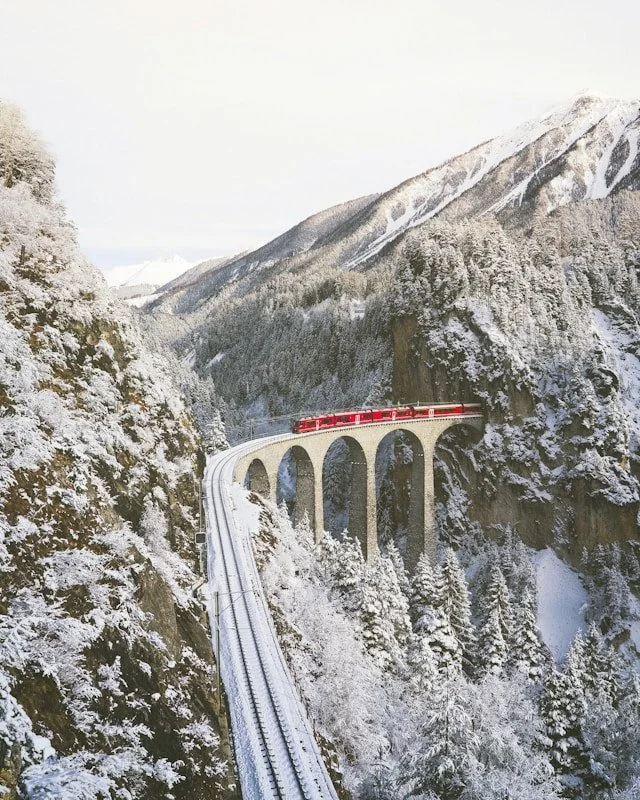
For travelers already in Europe, Switzerland is easily reached by train, with direct high-speed connections from France, Germany, Italy, and Austria. Scenic train routes, such as the Glacier Express and Bernina Express, make cross-country travel both practical and memorable.
Well-maintained highways also allow for easy car travel from neighboring countries, though mountain passes may close in winter. Ferries and lake boats connect many lakeside towns, adding another scenic option for regional travel.
How to Get Around Switzerland

Train

Rental Car

Private Transfer

Bus
Top Experiences in Switzerland
LATEST POSTS ABOUT SWITZERLAND
WHAT TO PACK FOR SWITZERLAND
Switzerland FAQ
-
Yes. Trains are frequent, comfortable, and connect most cities and mountain towns, but the alpine geography can make travel times longer than they appear on a map. Boats and cable cars help link harder-to-reach areas. A rental car is only useful for remote villages, and if you’re visiting in winter, confirm that the vehicle comes equipped with snow tires.
-
Most travelers don’t need a visa for short tourist stays. Switzerland is part of the Schengen area, so visitors from the US, UK, EU, Canada, and Australia can enter visa-free for up to 90 days within a 180-day period. Your passport must be valid for at least three months beyond your departure date. If you’re staying longer or traveling for work or study, different rules apply, so it’s worth checking official guidance before you go.
-
Switzerland is noticeably more expensive than neighboring destinations, even for luxury travelers. Expect higher prices for hotels, dining, and transport, especially in resort areas like Zermatt or St. Moritz. That said, the overall experience reflects the cost, with exceptional service, immaculate infrastructure, and world class mountain access.
“Switzerland is a small, steep country, much more up and down than sideways…“
Ernest Hemingway