


Spain Travel Guide
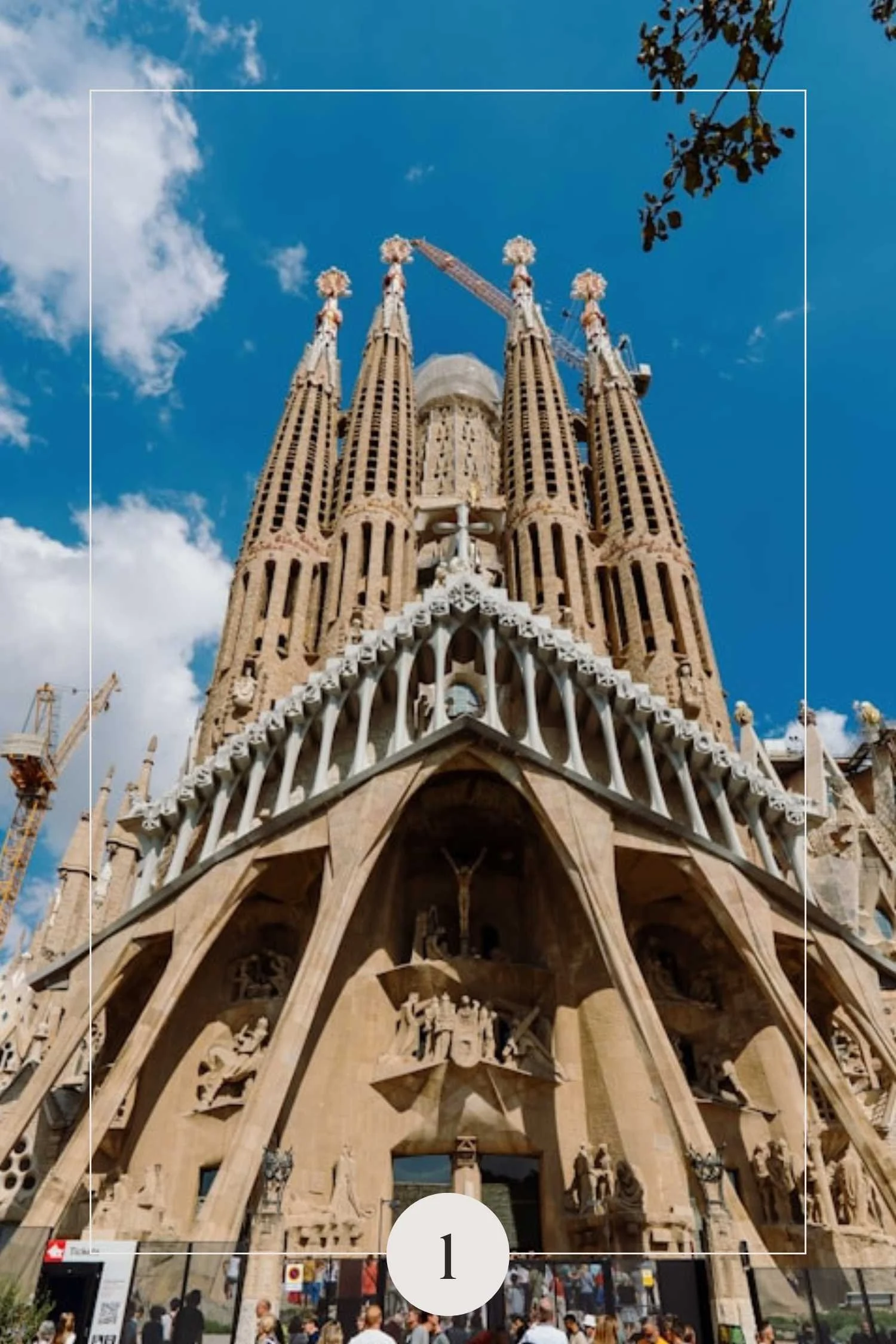
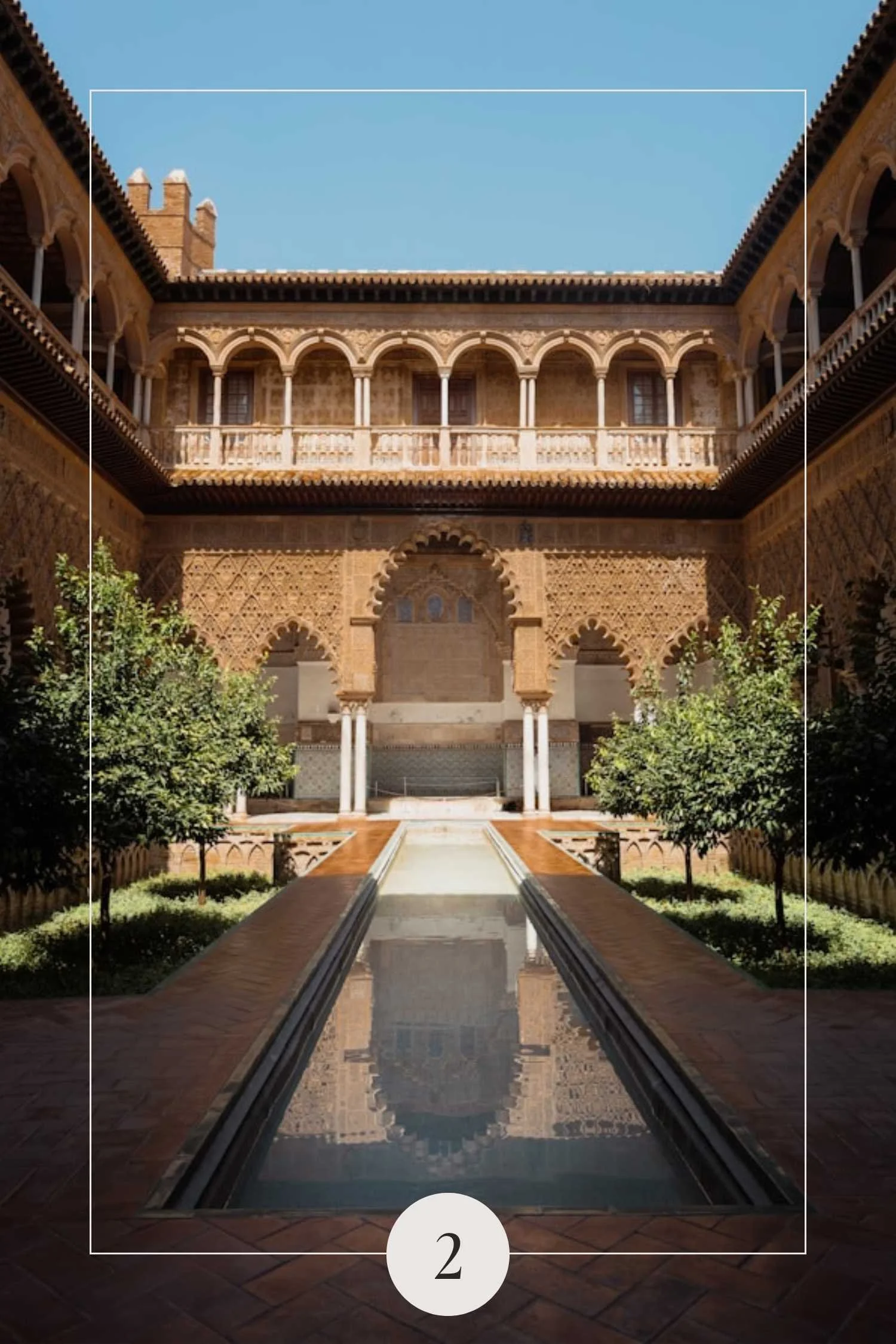
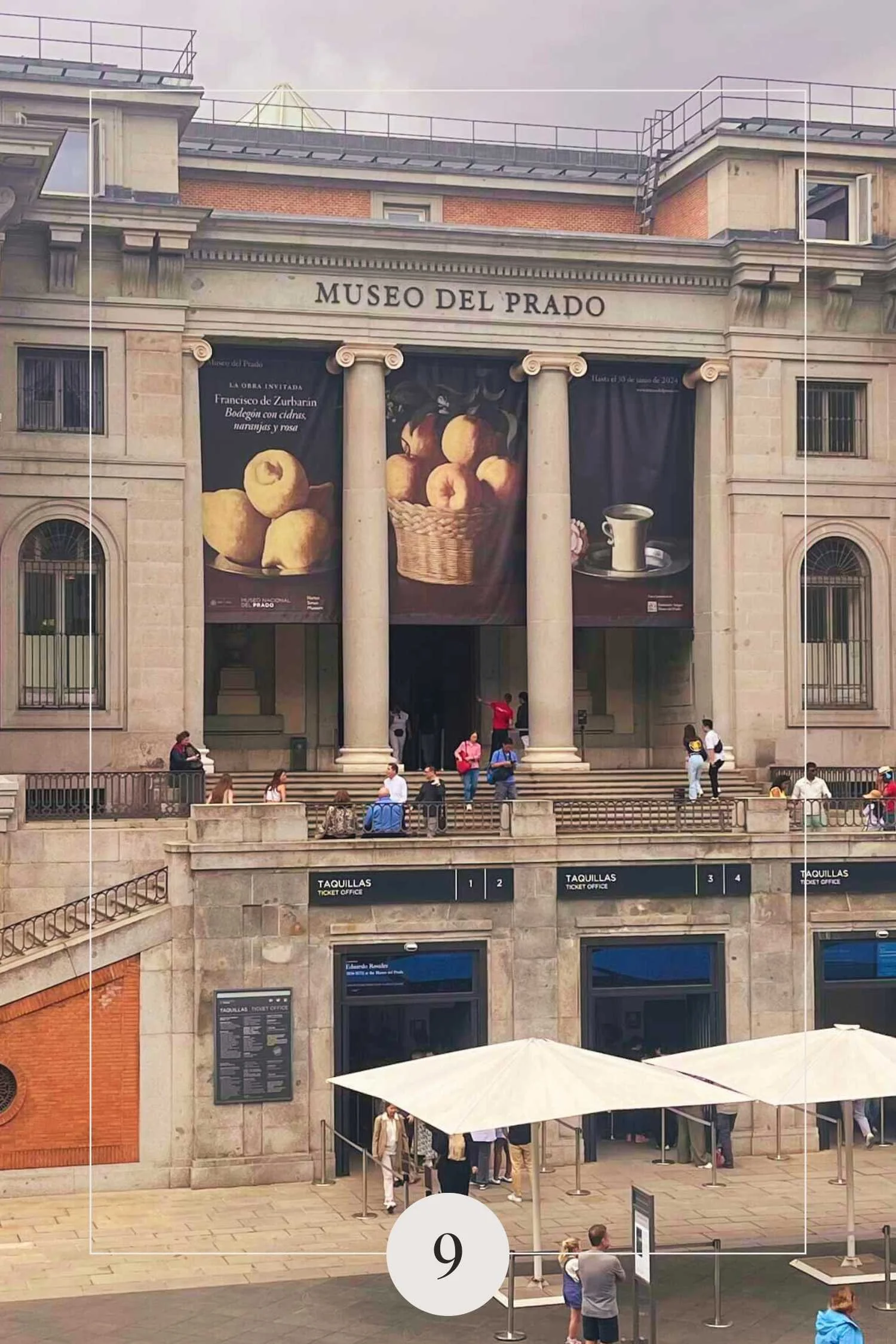
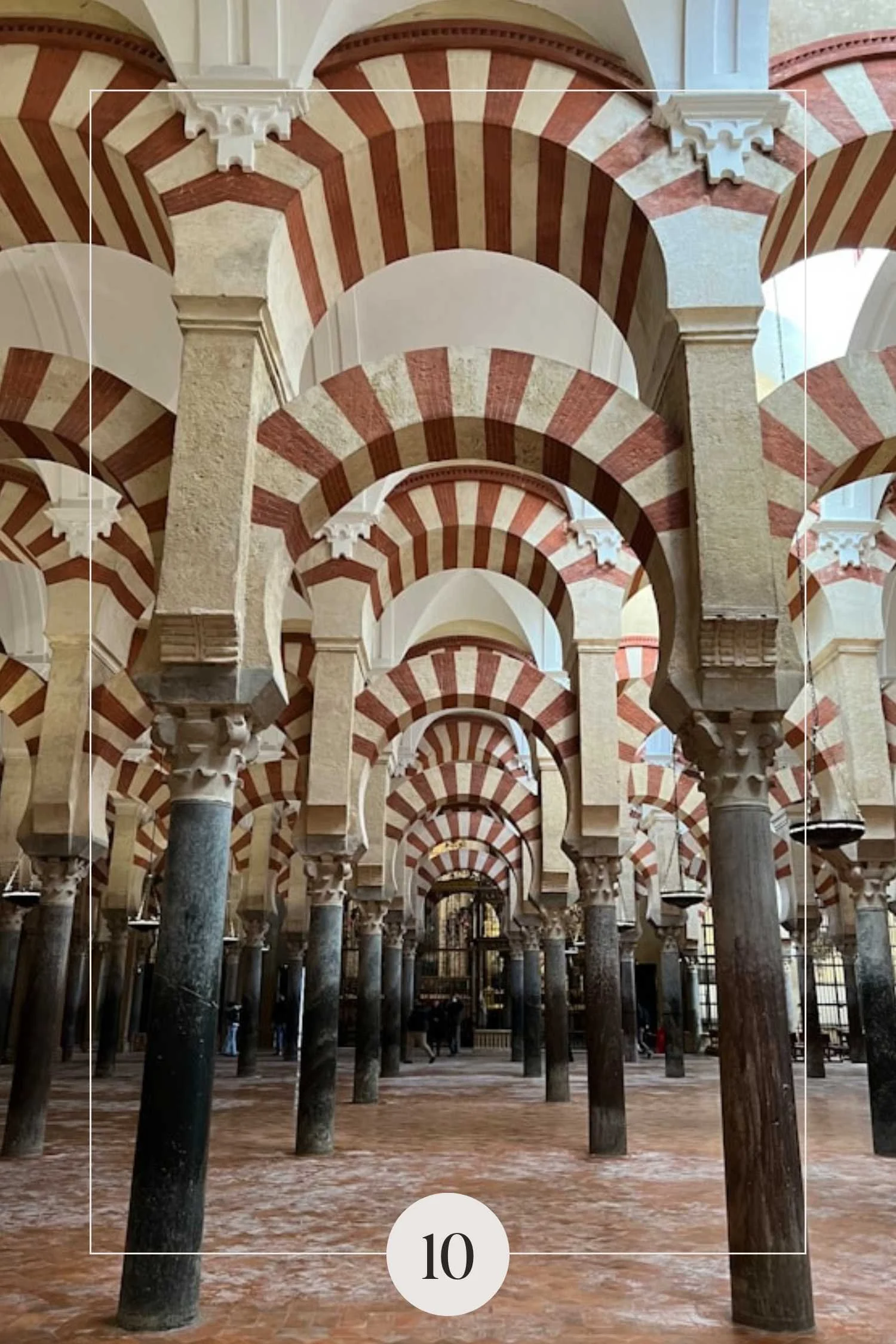
Spain offers more variety than many travelers expect. Sun soaked coasts feel worlds apart from the country’s cities: Madrid with its major museums, Barcelona with standout architecture, and Seville with traditions rooted in Andalusian culture. The country’s regional diversity demands deeper exploration, from the northern Basque country to the sandy beaches of Catalonia’s Costa Brava.
This travel guide explains what to expect when visiting Spain, the best ways to travel around, and the top experiences to include on your itinerary.


What to Expect in Spain
Weather
Spain’s climate varies widely across its regions.
The Mediterranean coast, including Barcelona, Valencia, and much of Andalusia, has hot, dry summers often reaching 86–95°F (30–35°C) and mild winters around 50–60°F (10–16°C).
Central Spain, including Madrid and Castile, experiences greater extremes: hot summers that can exceed 95°F (35°C) and cold winters that drop near or below freezing.
Northern Spain, like Basque Country and Galicia, has cooler temperatures year round, with rainy winters and mild summers averaging 68–75°F (20–24°C).
Mountain regions like the Pyrenees and Sierra Nevada see heavy winter snowfall and mild summers ideal for hiking.
Best Time to Visit
Spring (April to June) and early autumn (September to October) offer the best weather for most travelers, with warm temperatures and fewer crowds than peak summer.
Summer is the busiest season, especially along the Mediterranean coast and the Balearic Islands, where beach destinations fill quickly. In August, inland cities can be very hot, and some local businesses close for summer holidays.
Winter brings a quieter atmosphere, with mild weather in southern regions like Seville and Málaga and excellent skiing conditions in the Pyrenees and Sierra Nevada.
Language
Spanish is the official national language of Spain. Castilian Spanish is the standard form spoken across most of the country, and while it is mutually intelligible with the Spanish spoken in Mexico and much of Latin America, travelers may notice differences in pronunciation, vocabulary, and formality.
Several regions also have co-official languages, including Catalan in Catalonia, Basque in the Basque Country, and Galician in Galicia.
English is widely spoken in major cities, tourist destinations, and coastal areas, though less common in smaller towns. Learning a few Spanish phrases is helpful and appreciated by locals.
Currency
Spain uses the euro (€). Credit and debit cards are widely accepted, and contactless payment is standard in shops, restaurants, and public transport. Carrying some cash is useful in rural areas, small cafés, and local markets. ATMs are easy to find in cities and towns.
Getting There
Spain is well connected internationally. Madrid Barajas and Barcelona El Prat are the main global airports, with additional international routes through Málaga, Valencia, Bilbao, and Palma de Mallorca.
Travelers coming from elsewhere in Europe can also arrive by high-speed train, with direct connections from France into Barcelona and Madrid.
Ferries link Spain with the Balearic Islands, the Canary Islands, Italy, and Morocco.
Within the country, an extensive network of high-speed AVE trains, regional rail, domestic flights, and long-distance buses makes city-to-city travel fast and convenient.
How to Get Around Spain

Train

Rental Car

Private Transfer

Ferry

Bus
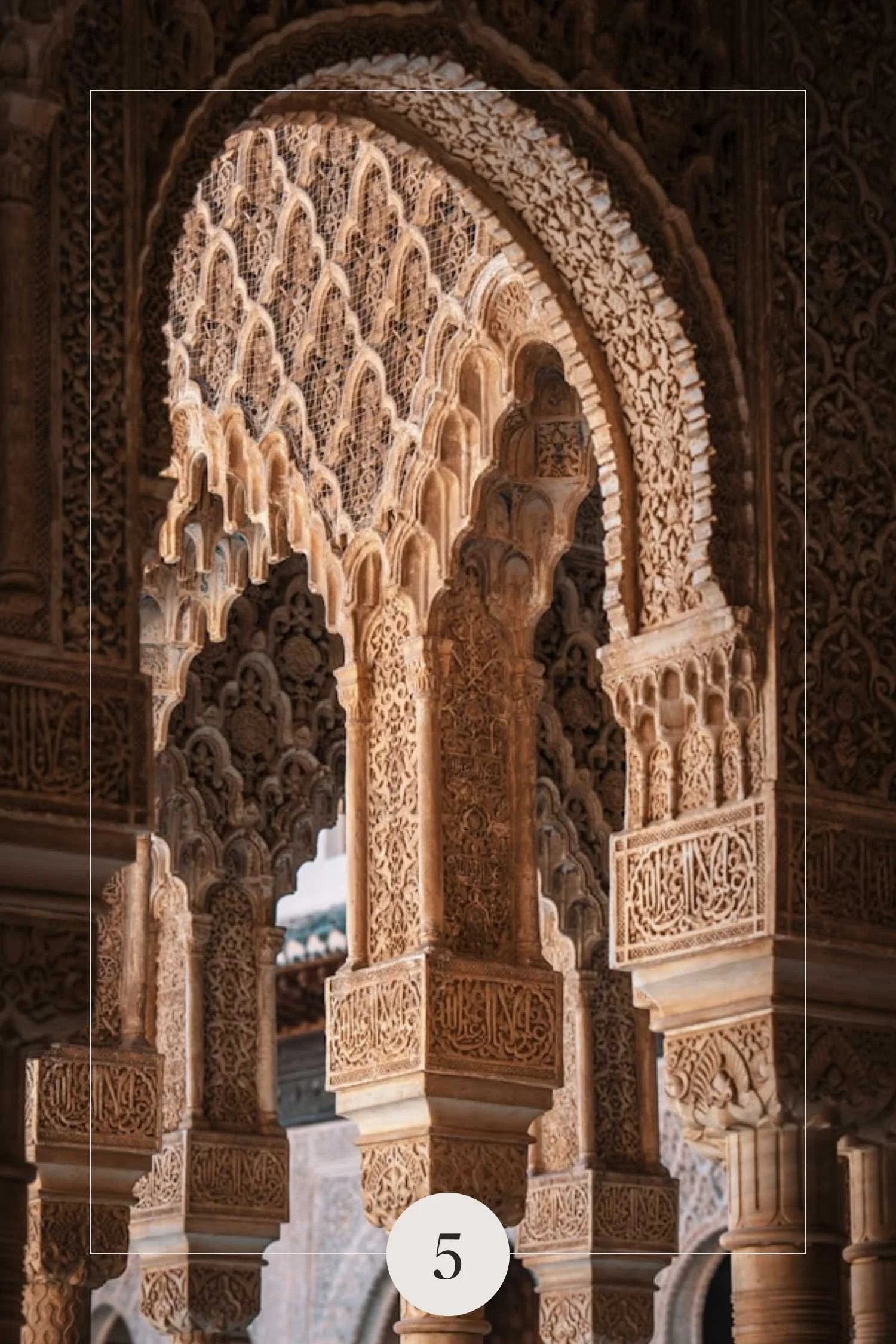
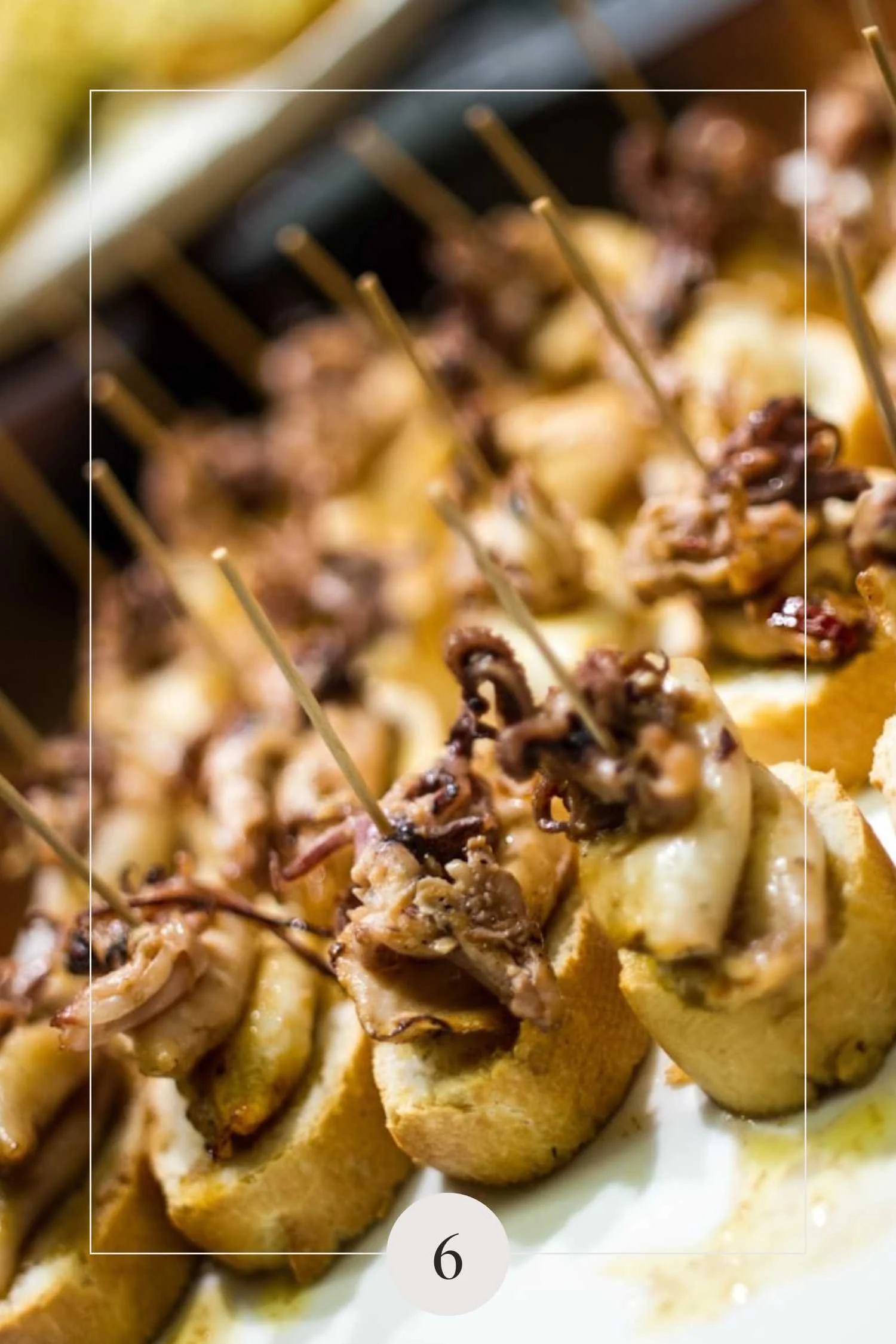
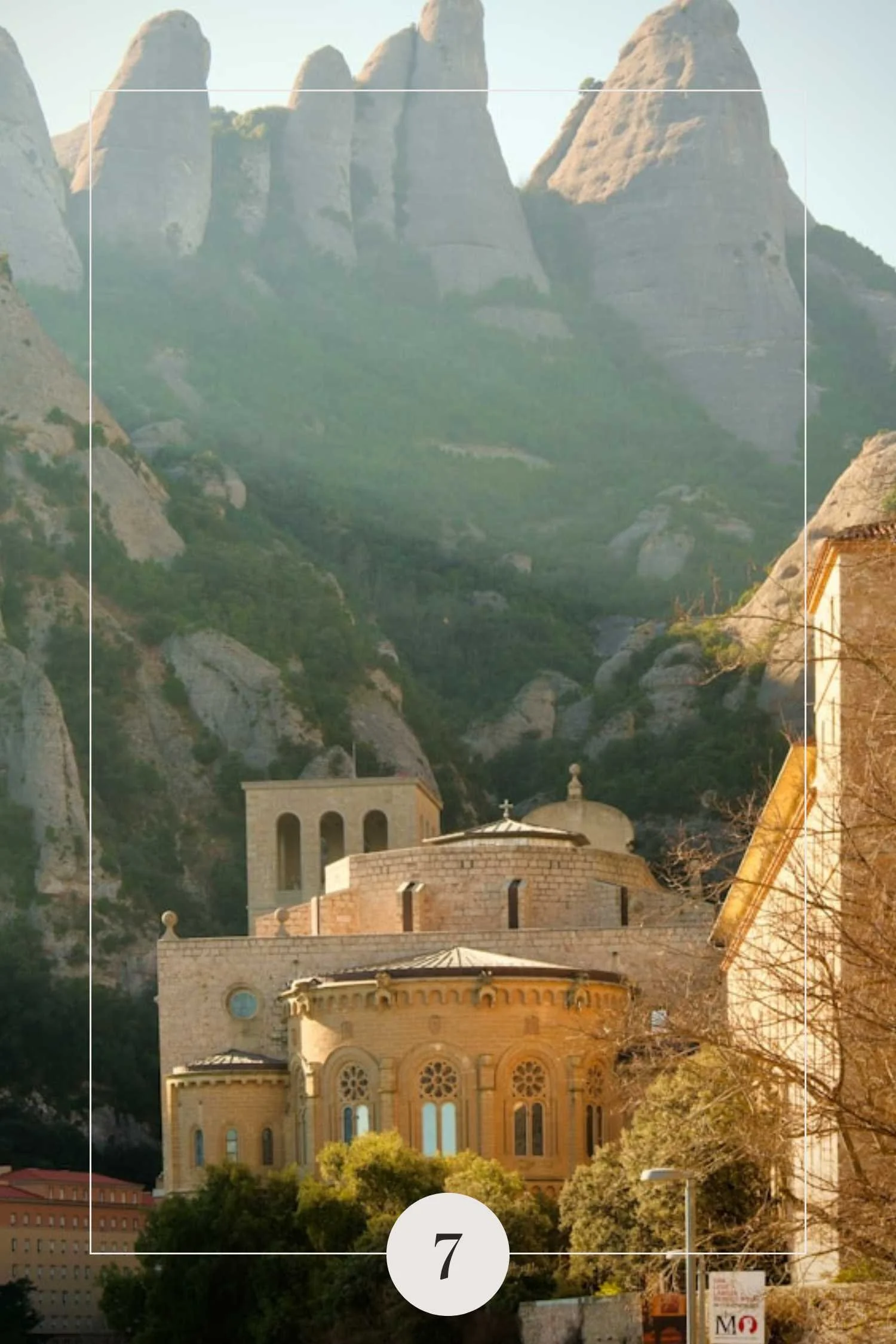
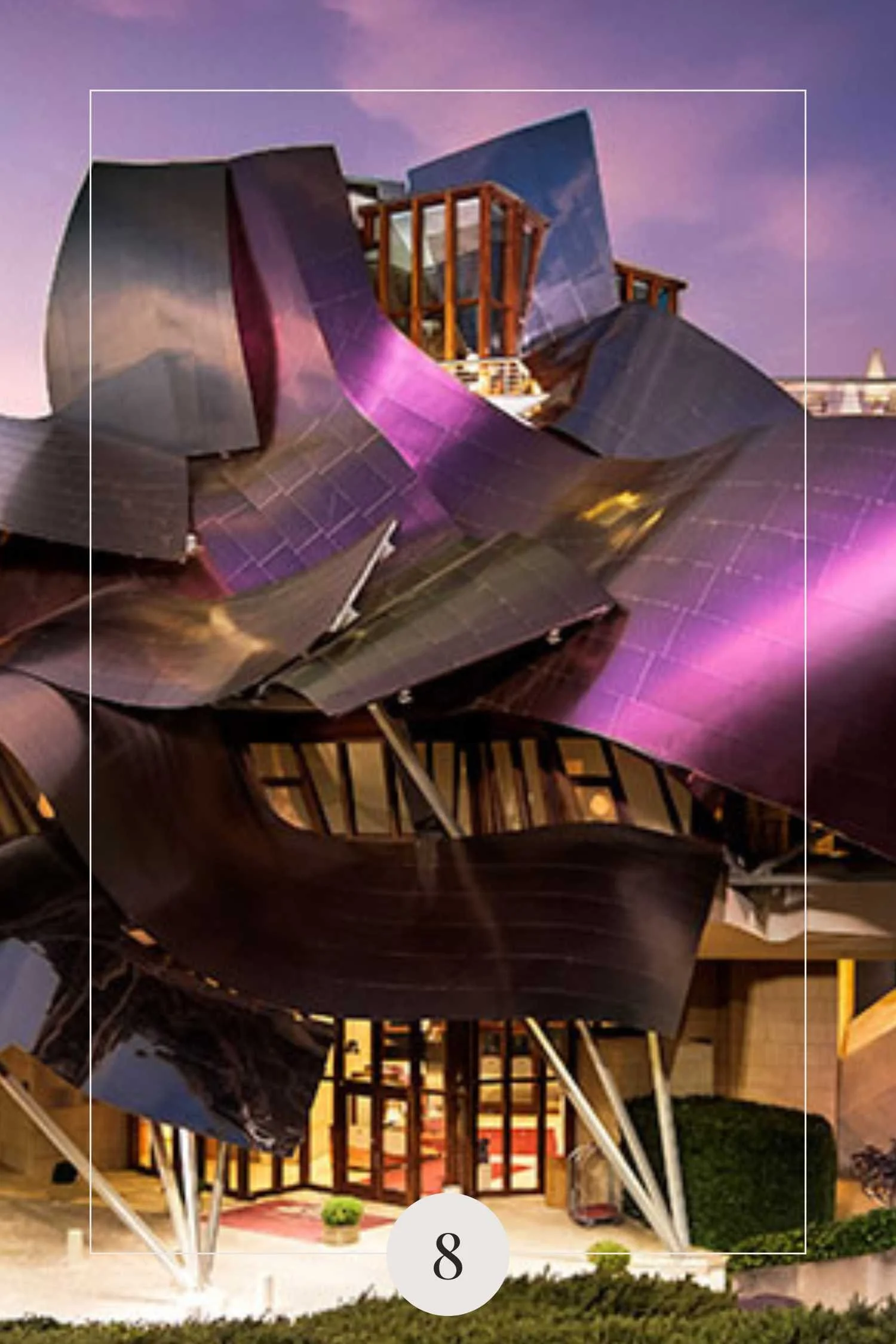
Top Experiences in Spain
LATEST POSTS ABOUT SPAIN
WHAT TO PACK FOR SPAIN
Spain FAQ
-
High speed trains are the fastest way to move between major cities like Madrid, Barcelona, Valencia, and Seville. Regional trains and buses reach smaller towns, while flights are required for longer distances or visiting Spain’s islands. A rental car makes sense in rural areas such as Andalusia’s white villages, La Rioja wine region, or regions with spotty train coverage like northern Spain near Bilbao and Pamplona.
-
Meals in Spain happen later than in many countries. Lunch usually runs from 1:30 pm to 3:30 pm, and dinner rarely starts before 8:30 pm. Some restaurants close in the late afternoon, while tapas bars stay open longer. Reservations help if you prefer to eat earlier.
-
Plan 7 to 10 days for two destinations at a relaxed pace. A week works well for pairings like Madrid and Seville or Barcelona and Valencia. With more time, you can add a third stop without rushing.
“Spain, that beautiful country of wine and songs.“
Johann Wolfgang von Goethe