


Portugal Travel Guide
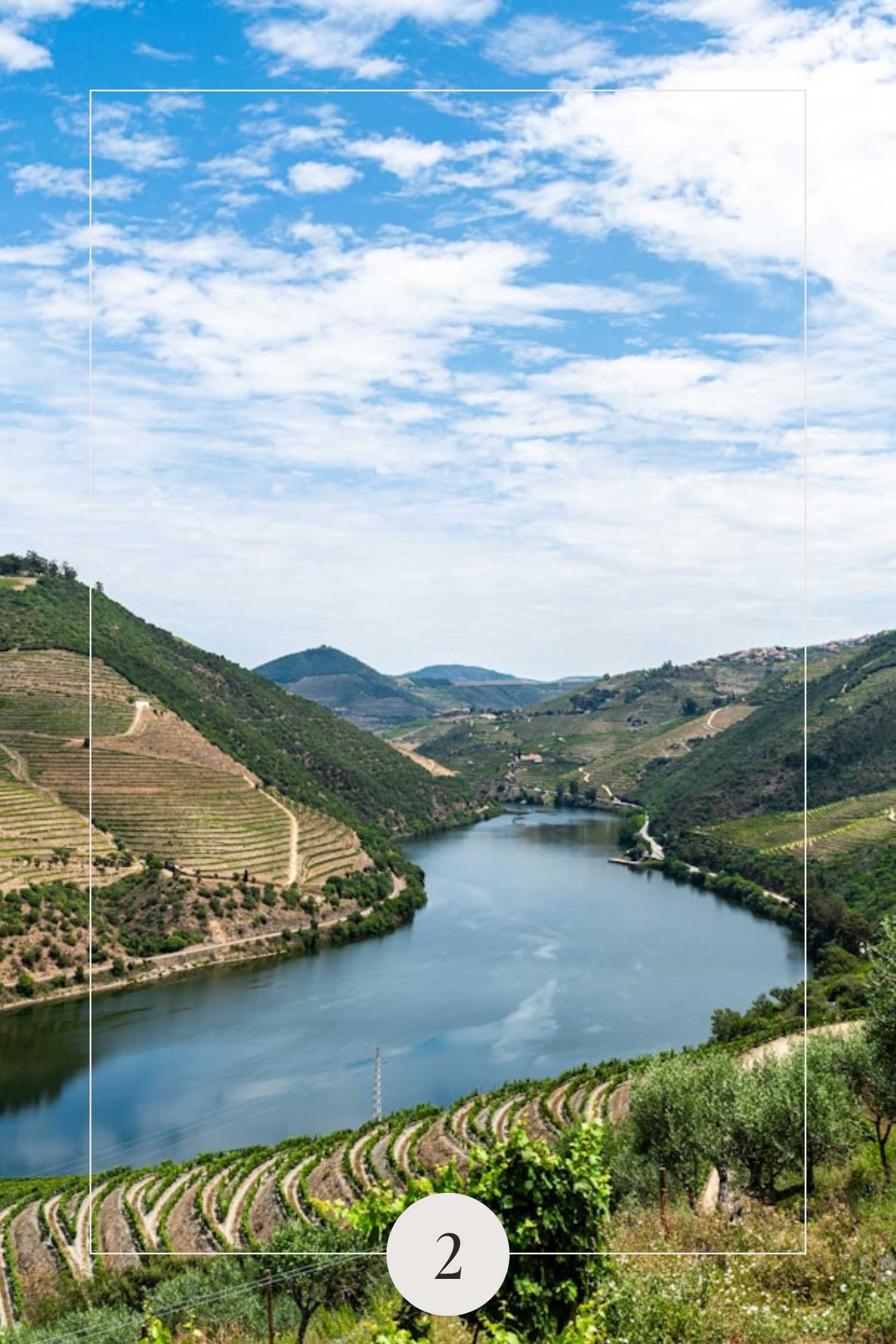
The Atlantic shapes much of the landscape in Portugal, from the cliffs of the Algarve to the quieter beaches near Comporta. Meanwhile, cities like Lisbon and Porto draw visitors with tiled architecture, hilltop look outs, and a growing food and wine scene. For a deeper experience of Portugal, the terraced vineyards of the Douro Valley and the open plains of the Alentejo offer even more to discover.
This travel guide shares what to expect when visiting Portugal, the best ways to get around, and the top experiences to add to your itinerary.


What to Expect in Portugal
Weather
Portugal has a predominantly Mediterranean climate, with warm, dry summers and mild winters that vary by region.
Along the southern coast, the Algarve, summers are hot and sunny, often reaching 86–95°F (30–35°C), while winters stay mild around 55–60°F (13–16°C).
Central regions, including Lisbon, see warm summers in the 80s°F (around 27–30°C) and mild, wetter winters.
Northern Portugal, including Porto and the Douro Valley, experiences cooler temperatures, more rainfall, and greater seasonal variation.
Inland areas can be significantly hotter in summer and colder in winter, especially at higher elevations.
Best Time to Visit
Spring (April to June) and early autumn (September to October) are considered the best times to visit Portugal, offering comfortable temperatures, sunny days, and fewer crowds than peak summer.
Summer is popular for beach trips and festivals, especially in the Algarve and coastal towns. Winter brings a quieter atmosphere to most destinations, though cities like Lisbon and Porto remain lively and mild, making them ideal for year-round travel. The islands of Madeira and the Azores also offer pleasant weather outside peak season.
Language
Portuguese is the official language of Portugal.
English is widely spoken in major cities, coastal destinations, and tourist areas. In smaller towns or rural regions, English may be less common, though people working in hospitality generally speak it. Learning a few simple Portuguese phrases is a friendly gesture and often appreciated by locals.
Currency
Portugal uses the euro (€). Credit and debit cards are widely accepted, and contactless payment is common throughout the country. Carrying some cash can be useful in small villages, markets, or traditional cafés. ATMs are easy to find in cities and towns, though less common in rural areas or small islands.
Getting There
Portugal is well connected internationally. Lisbon Airport is the main gateway, offering extensive global and European routes. Porto and Faro airports provide additional connections.
Travelers arriving from elsewhere in Europe can also reach Portugal by train through Spain, though routes are limited. Buses provide additional options.
For island travel, regular flights connect mainland Portugal with Madeira, Porto Santo, and the Azores, making it easy to combine regions within one trip.
How to Get Around Portugal

Train

Rental Car

Private Transfer

Ferry

Bus
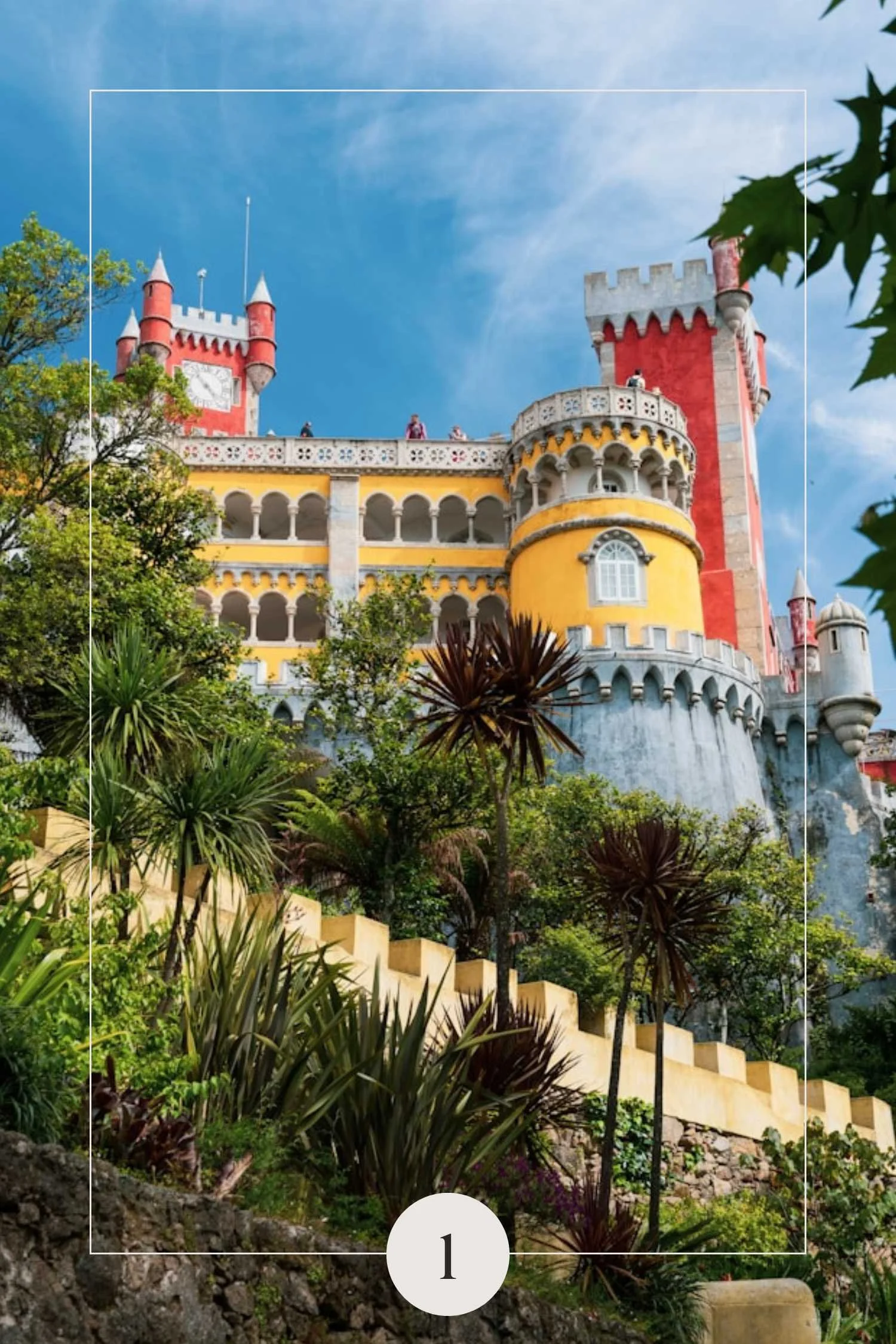
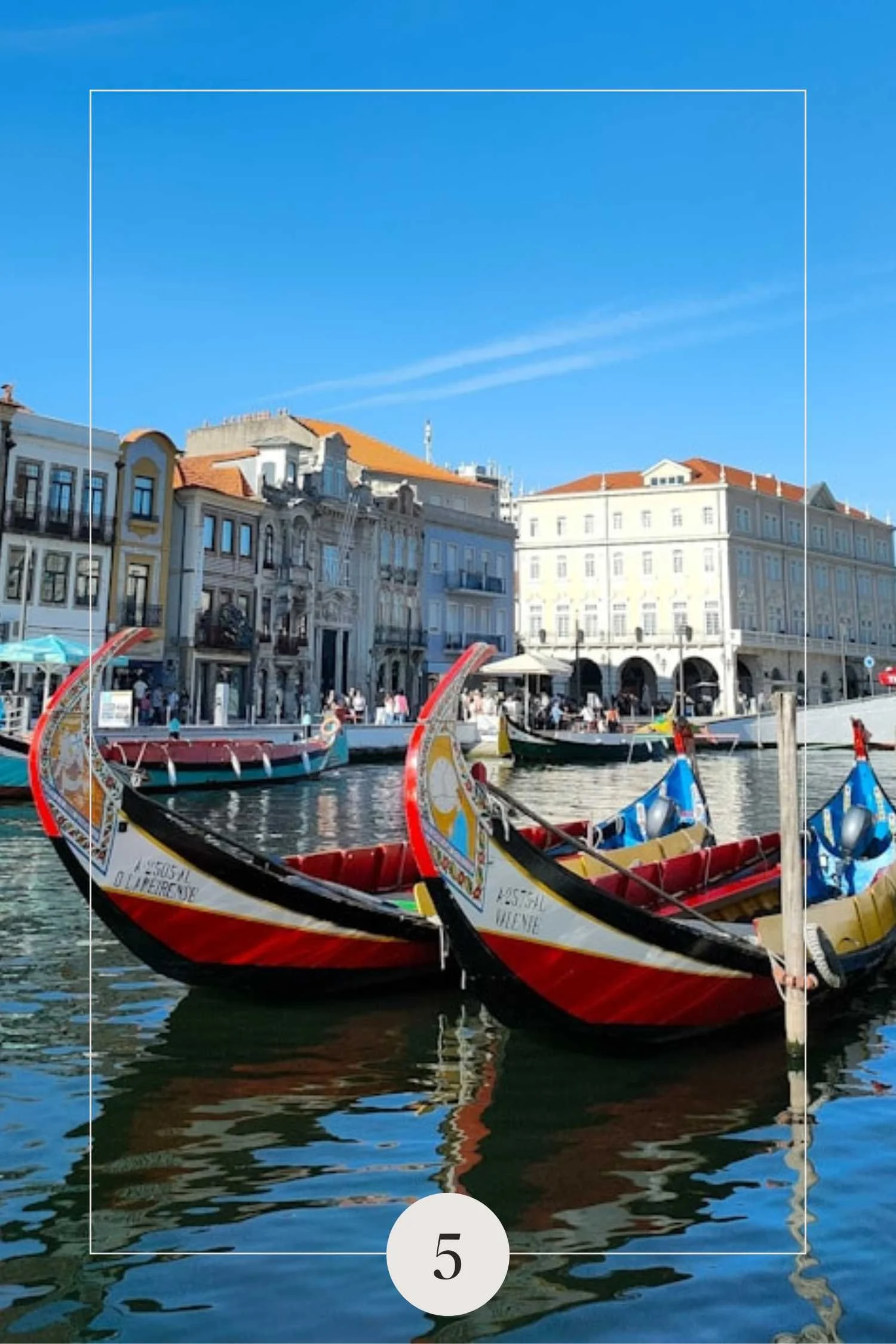
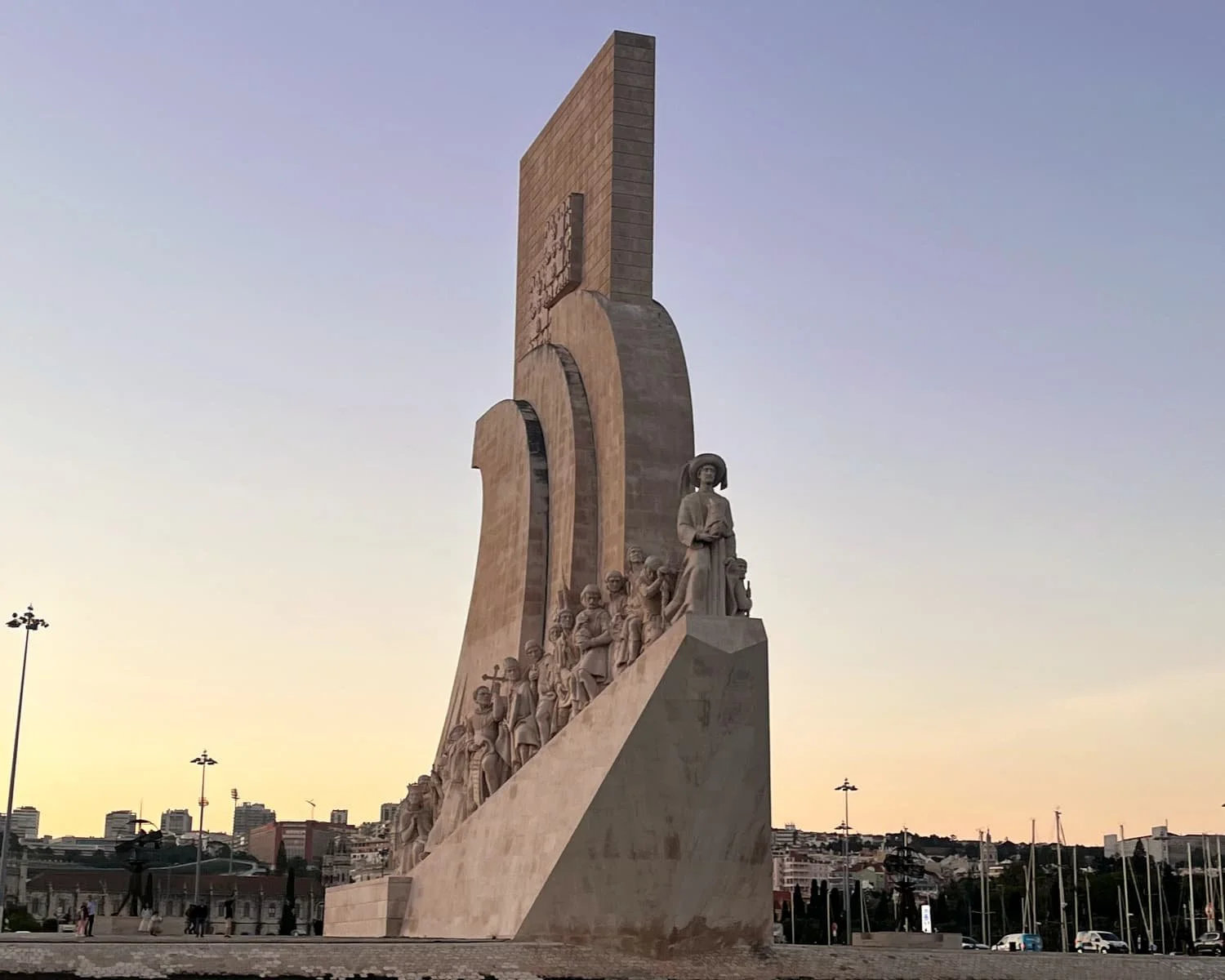
Top Experiences in Portugal


LATEST POSTS ABOUT PORTUGAL


WHAT TO PACK FOR PORTUGAL
Portugal FAQ
-
Plan 7 to 10 days to see the main highlights without rushing. A week works well for Lisbon and Porto with a day trip or two. With more time, you can add the Algarve, the Alentejo, or the Douro Valley at a relaxed pace.
-
Trains are the easiest way to travel between Lisbon, Porto, and Coimbra, and there are direct services to the Algarve. Buses cover smaller towns and coastal areas. A rental car is useful for the Douro Valley, Alentejo, and rural parts of the Algarve, but it’s not recommended for Lisbon or Porto due to traffic and limited parking.
-
Credit and debit cards are widely accepted, and contactless payments are common. Still, it’s helpful to carry some euros for small cafés, markets, taxis, and rural areas. ATMs are easy to find in cities and towns.
“Portugal is a very beautiful country…“
Eça da Queiroz