

Norway Travel Guide
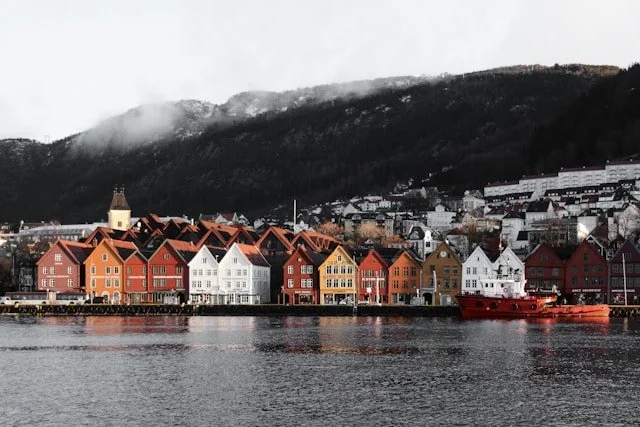
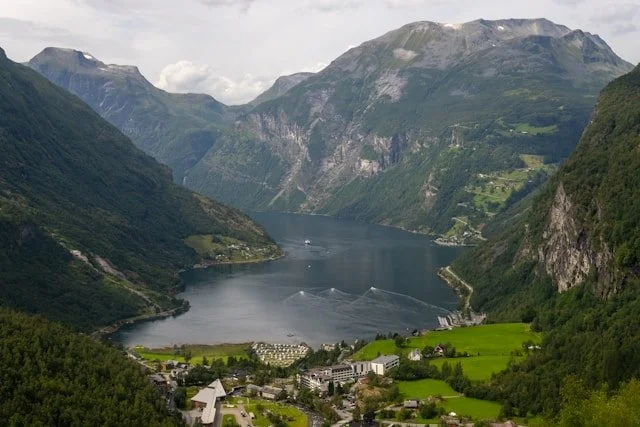
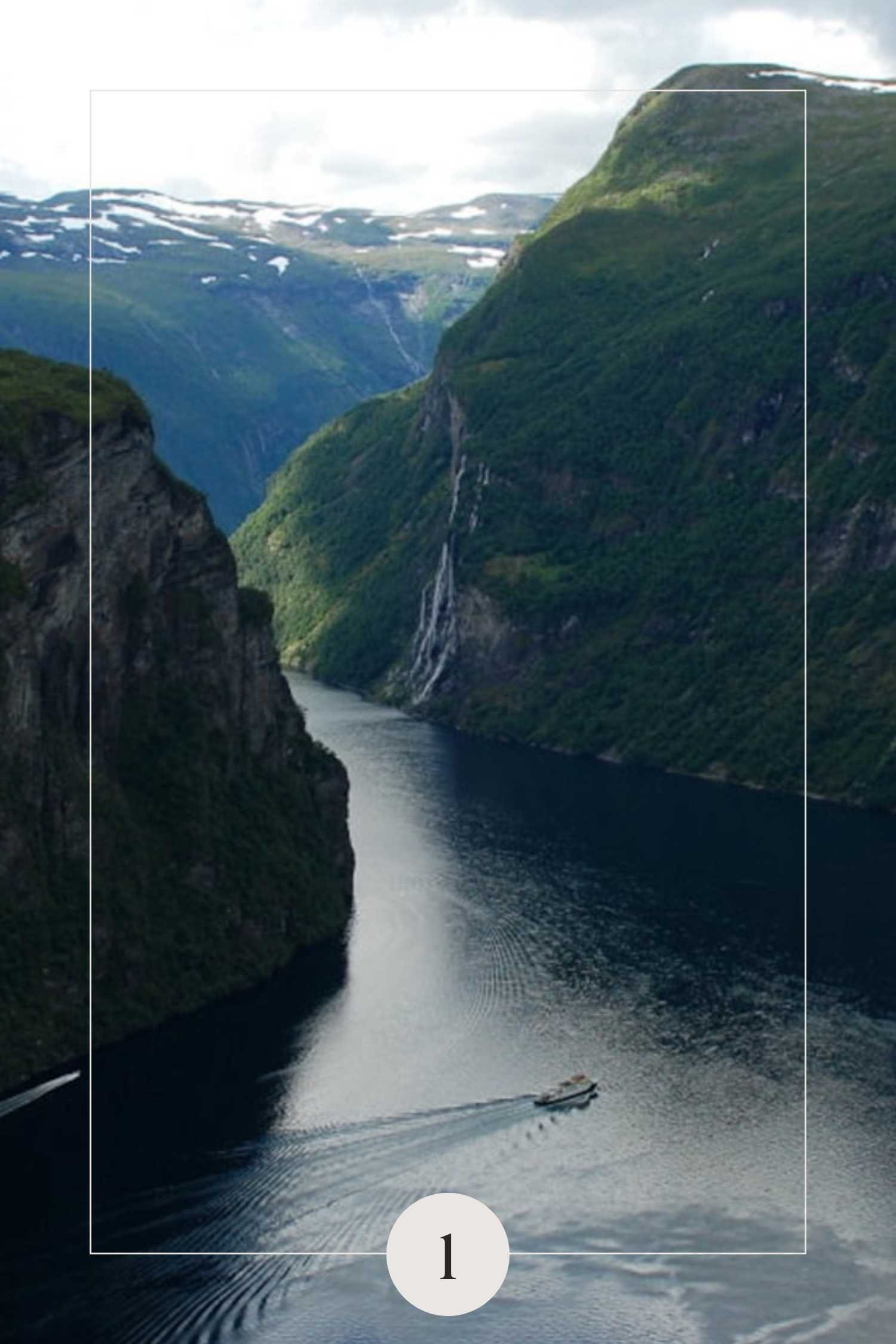
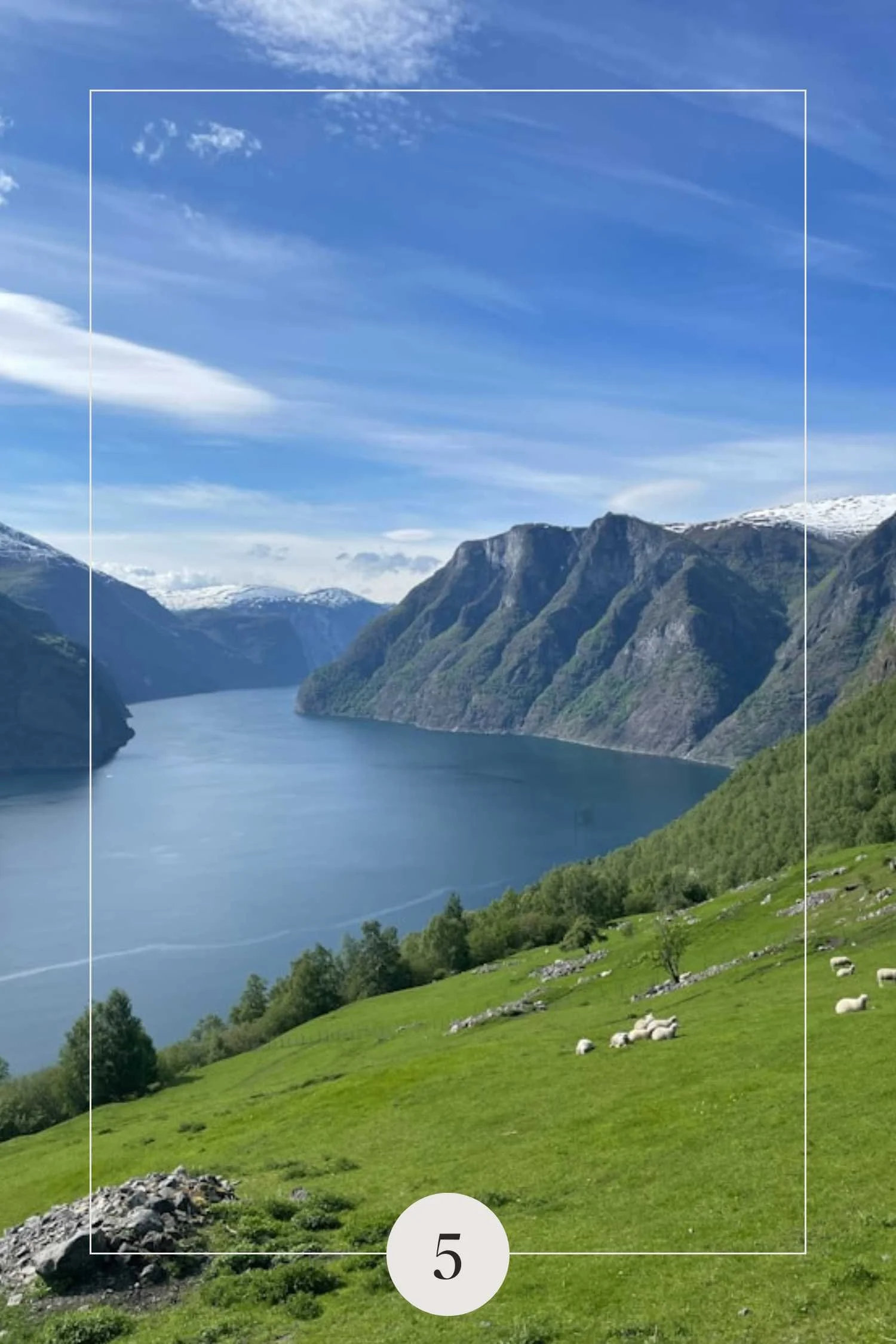
Norway is shaped by scale and scenery. Deep fjords, rugged coastlines, and mountain landscapes define much of the country, offering travelers experiences centered on nature and movement. Cities like Oslo, Bergen, and Tromsø balance access to the outdoors with museums, dining, and cultural sights, making them natural starting points for exploring the surrounding regions.
This travel guide outlines what to expect when visiting Norway, how to get around, and the top experiences to include in your itinerary.
Destinations
Oslo
What to Expect in Norway
Weather
Norway’s climate varies widely from its southern cities to its Arctic regions.
Summers are short but pleasant, averaging 60–72°F (16–22°C) in most of the country. Coastal regions benefit from long daylight hours, while northern Norway experiences the Midnight Sun in June and July and very limited daylight in winter. Spring and autumn bring cooler temperatures and shifting weather patterns.
Winters are cold and long, especially in the north, where temperatures can drop well below 14°F (–10°C) and snow cover lasts for months. Southern and coastal areas, including Oslo, Bergen, and Stavanger, are milder, with winter temperatures typically between 25–40°F (–4 to 4°C) and frequent rainfall.
Best Time to Visit
The best time to visit Norway depends on your interests.
Thanks to warm temperatures and extended daylight, summer (June to August) is ideal for fjord cruises, hiking, and exploring coastal towns.
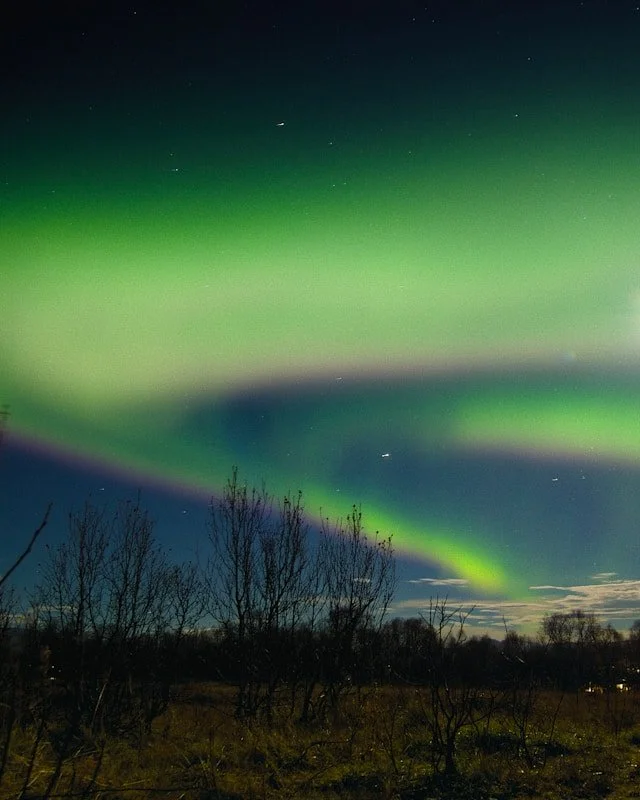
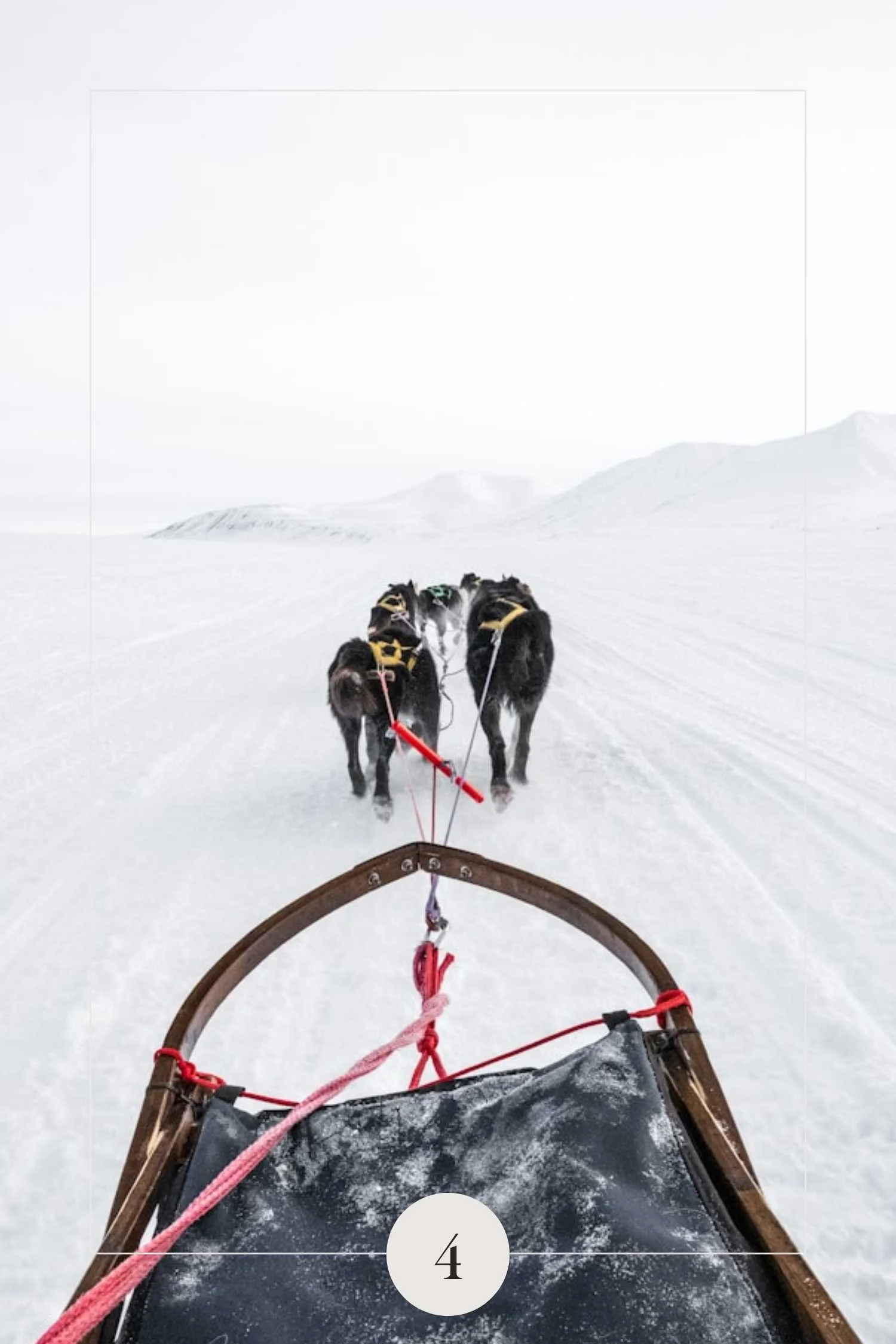
Winter appeals to travelers seeking northern lights, skiing, dog sledding, and other Arctic activities, especially in Tromsø, Alta, and the Lofoten Islands.
Late spring (May) and early autumn (September) offer mild weather, fewer crowds, and rich colors, though weather conditions can be unpredictable across regions.
Language
Norwegian is the official language of Norway, with two written forms (Bokmål and Nynorsk) used throughout the country.
English is widely spoken and understood, particularly in cities and tourist areas. Visitors should find it easy to communicate, though learning a few basic Norwegian phrases is appreciated by locals.
Currency
Norway uses the Norwegian krone (NOK). Credit and debit cards are accepted almost everywhere, and contactless payments are common, even in small shops and rural areas.
While cash is seldom necessary, having a small amount on hand can be useful in remote locations. ATMs are available in cities and larger towns.
Getting There
Norway is well connected to Europe and beyond. Oslo Airport is the primary international hub, with Bergen, Stavanger, Trondheim, and Tromsø offering additional European routes.
Travelers within Europe can also arrive by train through Sweden or Denmark, though long-distance options are limited. Ferries connect Norway with Denmark, Germany, Sweden, and the Netherlands.
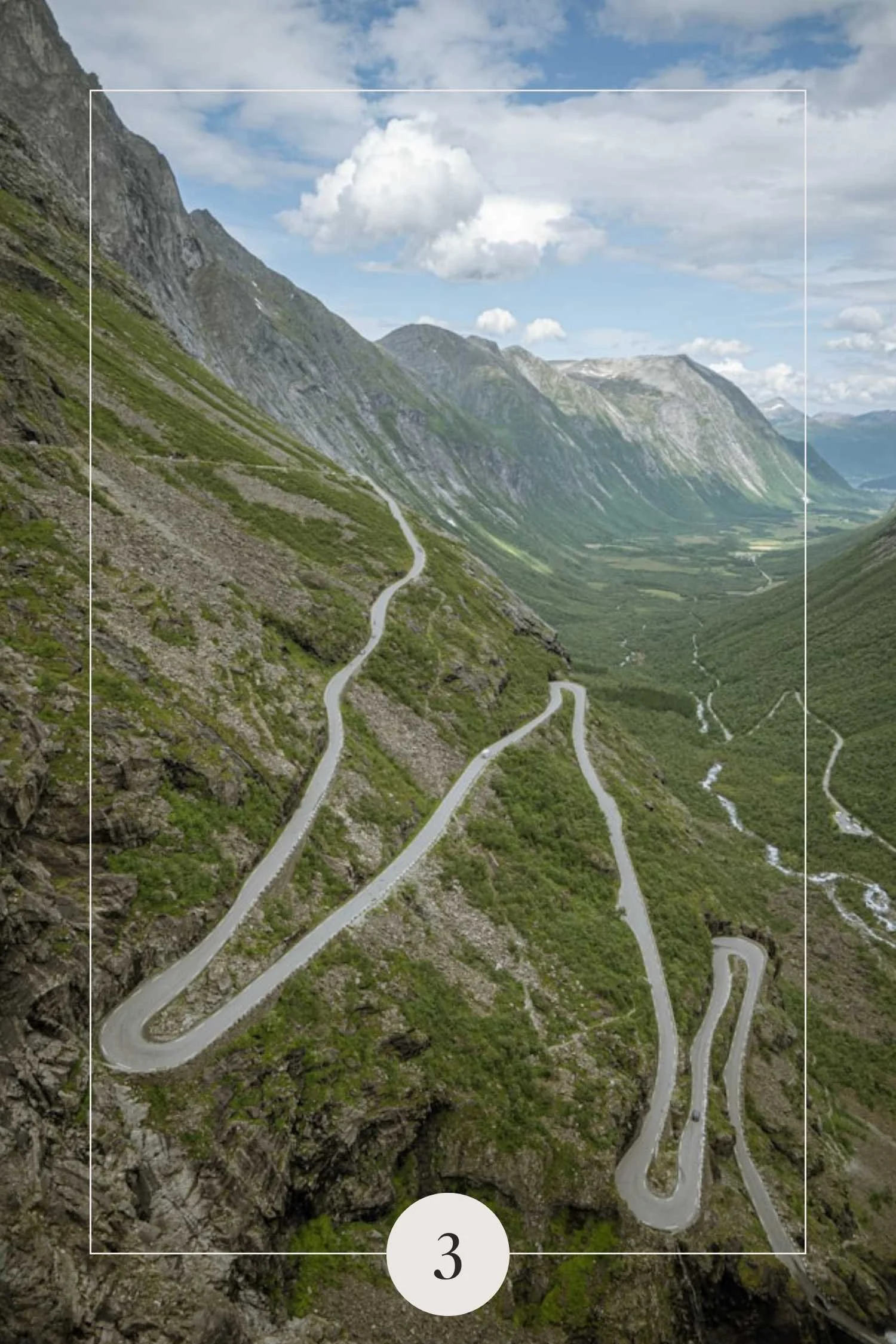
Once in the country, domestic flights, scenic rail lines, and coastal ferries make traveling between regions convenient.
How to Get Around Norway

Train

Rental Car

Private Transfer

Ferry

Bus
Top Experiences in Norway

LATEST POSTS ABOUT NORWAY
WHAT TO PACK FOR NORWAY
Norway FAQ
-
Plan 7 to 10 days to see Norway at a comfortable pace. A week works well for Oslo, Bergen, and a fjord experience. With more time, you can add Ålesund, Tromsø, or the Lofoten Islands without rushing.
-
Yes. Trains, buses, and ferries connect major cities and fjord regions, but distances can be long. A rental car is useful in rural areas or for exploring places like the Lofoten Islands at your own pace. In winter, some mountain roads may close, so checking local conditions in advance is essential.
-
Norway is more expensive than many European destinations, especially for dining, hotels, and activities in remote areas.
“Norway, land of the midnight sun, where the beauty of nature never ceases to amaze.“
Henrik Ibsen