

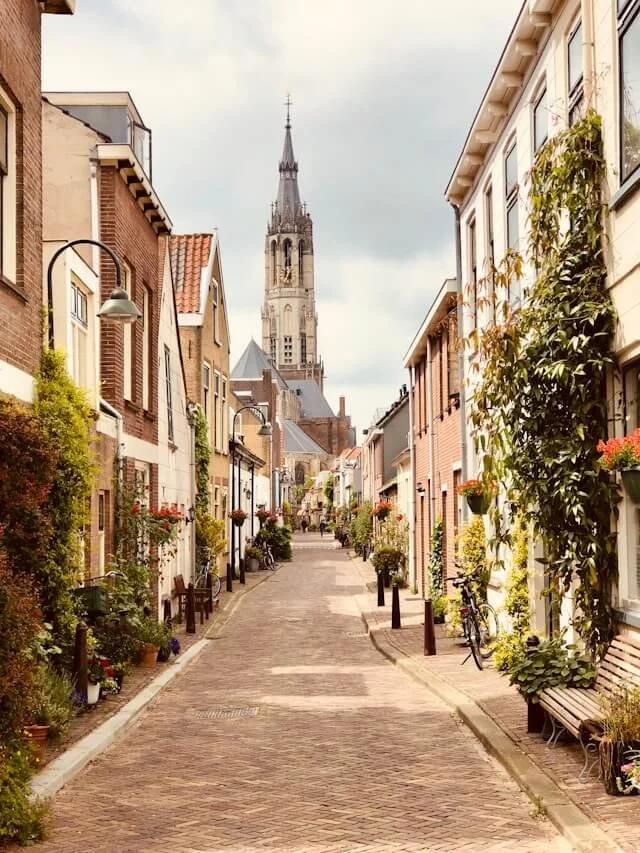

The Netherlands offers a compact but varied travel experience. Historic canals, flat countryside, and seaside towns sit alongside cities known for museums, architecture, and food. Amsterdam draws visitors with its canal houses and cultural institutions, while places like Haarlem, Utrecht, and Rotterdam reveal different sides of the country, from medieval centers to modern design.
This travel guide explains what to expect when visiting the Netherlands, how to get around, and the top experiences to include in your itinerary.
The Netherlands Travel Guide


What to Expect in the Netherlands
Weather
The Netherlands has a temperate climate with mild temperatures and frequent rainfall throughout the year.
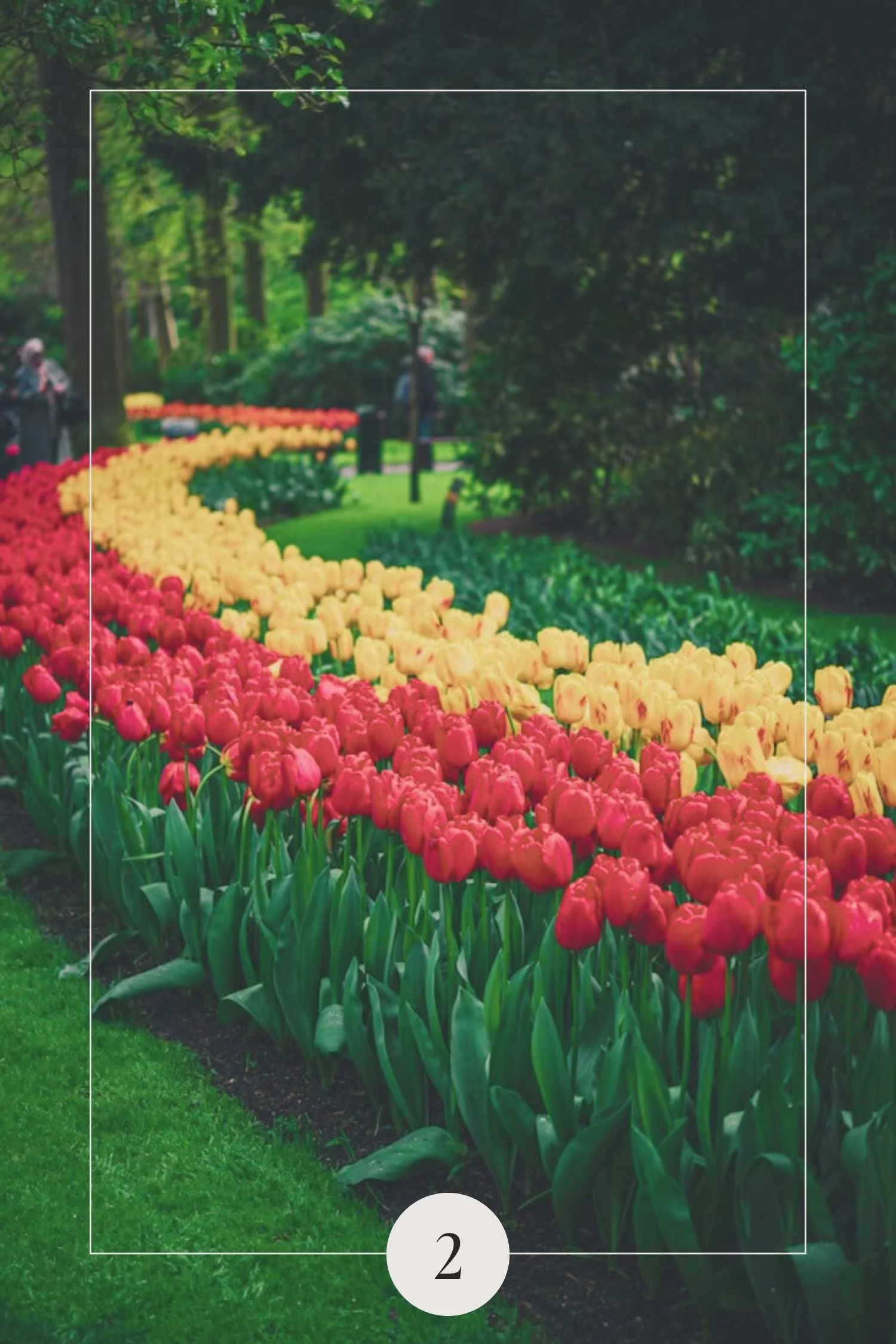
Summers are moderate, averaging 65–75°F (18–24°C), though warmer days in the low 80s°F (27–28°C) do occur. Spring brings blooming tulip fields and comfortable temperatures, while autumn sees cooler days and increased rainfall.
Winters are cool and damp, typically ranging from 35–45°F (2–7°C), with occasional frost or light snow. Coastal areas, including The Hague and Rotterdam, tend to be windier and slightly cooler than inland regions.
Best Time to Visit
Late spring (April to June) and early autumn (September) are among the best times to visit the Netherlands, offering mild weather and lighter crowds.
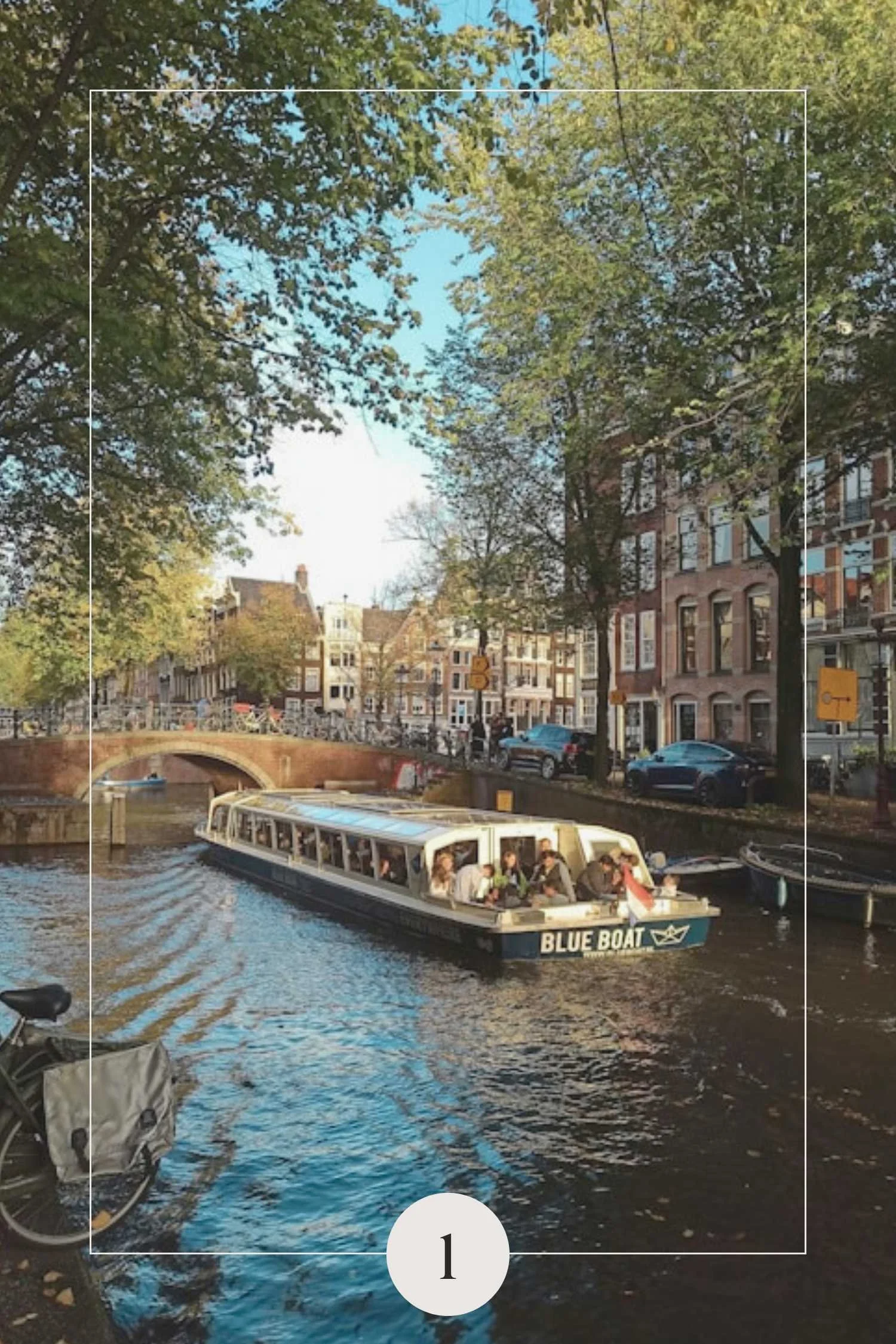
Spring is especially popular for tulip season, centered around Keukenhof and the flower growing regions. Summer is peak travel season, with long daylight hours and busy streets in Amsterdam, Haarlem, and Utrecht. Winter is quieter and ideal for museum visits and holiday markets.
Language
Dutch is the official language of the Netherlands.
English is widely spoken throughout the country, particularly in major cities, hotels, restaurants, and cultural sites. Visitors will find it easy to communicate, though learning a few Dutch greetings is appreciated by locals.
Currency
The Netherlands uses the euro (€). Credit and debit cards are widely accepted, and contactless payments are extremely common in shops, public transport, and restaurants. Carrying a small amount of cash can be useful in local markets or small cafés, and ATMs are easy to find throughout the country.
Getting There
The Netherlands is well connected internationally and regionally. Amsterdam Schiphol Airport is the main global hub, offering extensive long haul and European routes. Eindhoven and Rotterdam The Hague airports provide additional European connections.
High speed trains link the Netherlands with Belgium, France, Germany, as well as the United Kingdom via the Eurostar to London. The country also has excellent ferry routes from the United Kingdom and well maintained highways for travelers arriving by car from neighboring countries.
How to Get Around the Netherlands

Train

Rental Car

Private Transfer

Ferry

Bus
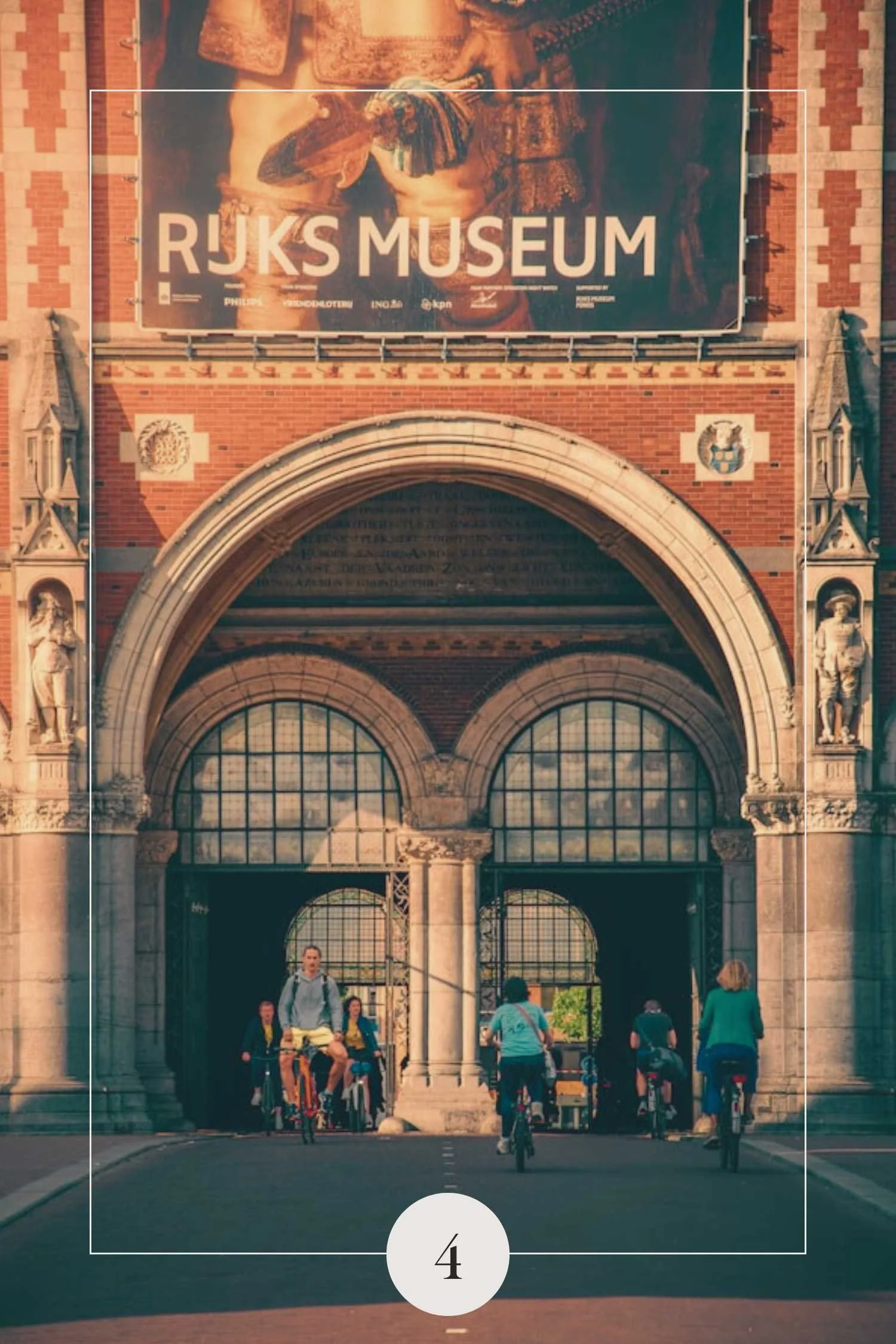
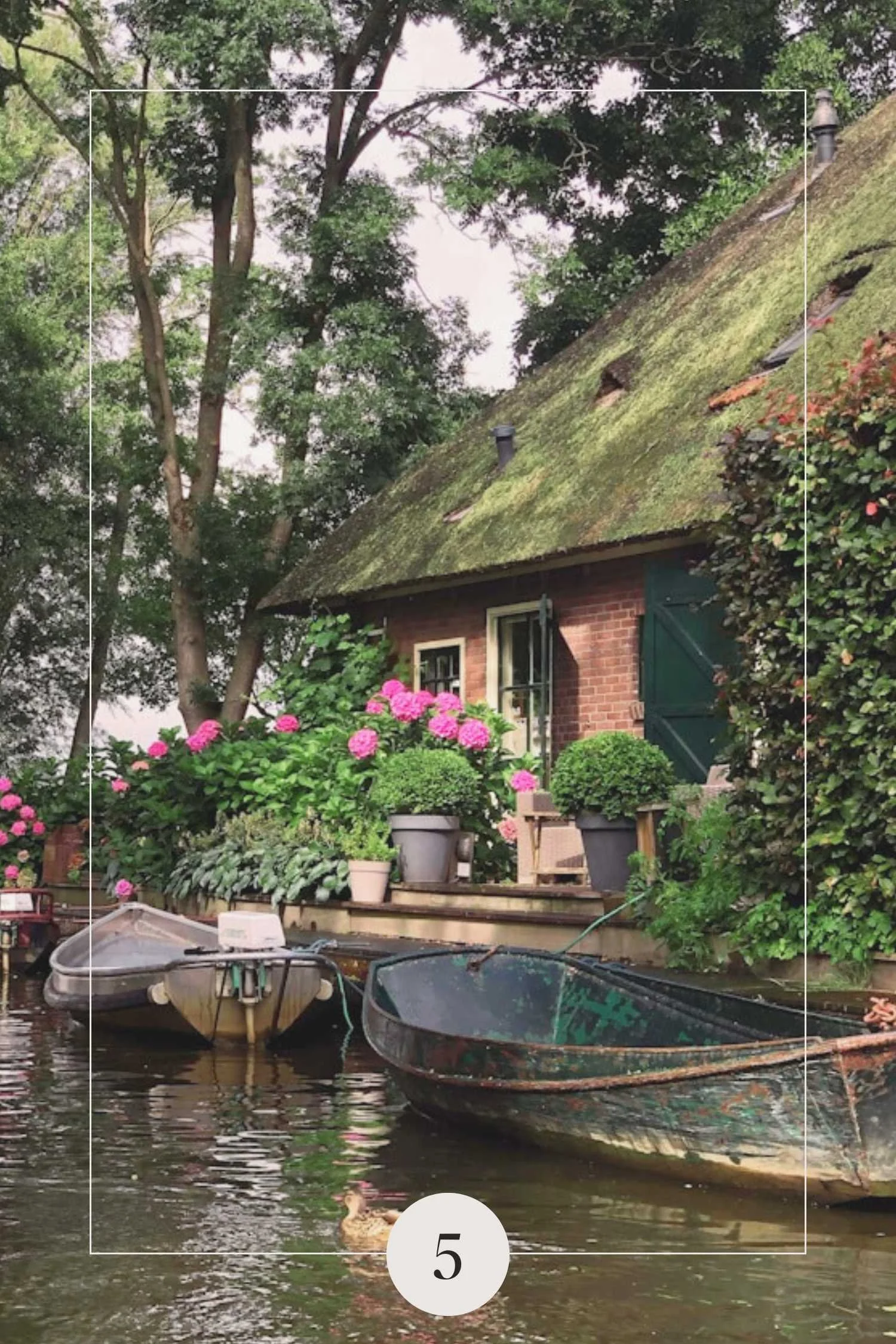
Top Experiences in the Netherlands
LATEST POSTS ABOUT THE NETHERLANDS
WHAT TO PACK FOR THE NETHERLANDS
Netherlands FAQ
-
Plan 5 to 7 days to explore at a relaxed pace. Three days are enough for Amsterdam, with extra time for cities like Utrecht, Rotterdam, or Haarlem.
-
Yes! Trains are frequent and fast between major cities, and the network is easy to navigate. Most towns are bike-friendly, and rentals are widely available. A car is rarely necessary.
-
Yes. Popular museums and attractions often require advance reservations, especially on weekends and during peak seasons. The Anne Frank House in Amsterdam routinely sells out early, so booking ahead is essential.
“Holland is a dream, Monsieur, a dream of gold and smoke…“
Albert Camus