

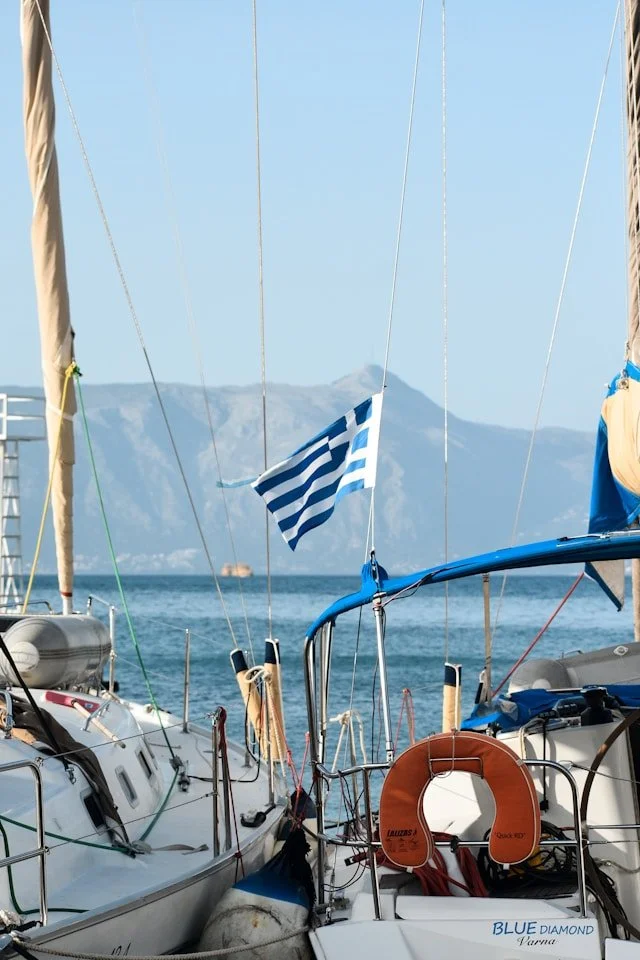
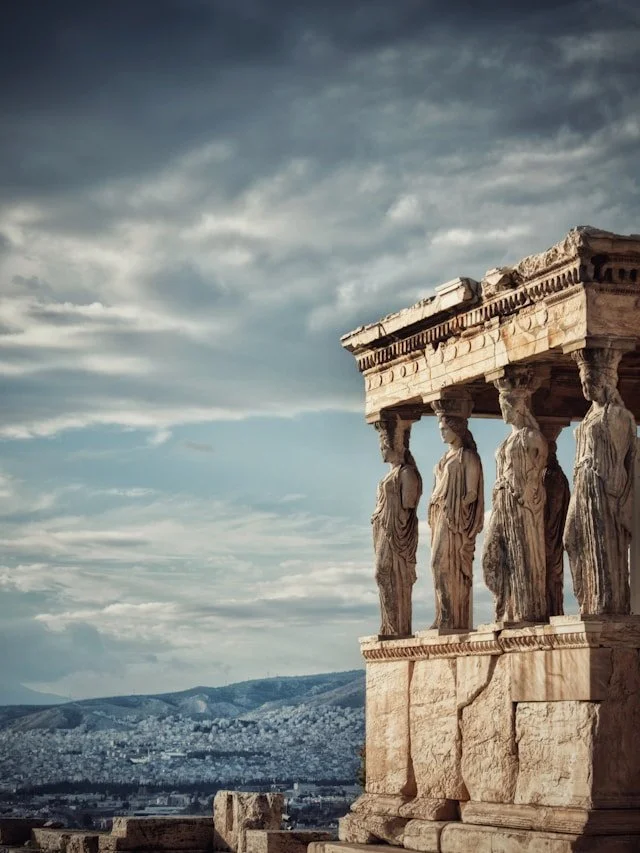
Greece draws travelers with a mix of ancient history, dramatic coastlines, and outdoor experiences. Athens anchors the country with world-class archaeological sites, walkable neighborhoods, and a strong food scene, while the islands range from relaxed beach escapes to destinations known for hiking, sailing, and coastal villages. Whether exploring ruins, swimming in clear water, or lingering over long meals with sea views, Greece is both immersive and unhurried.
This travel guide introduces what to expect when visiting Greece, how to get around, and the top experiences to include in your itinerary.
Greece Travel Guide

Destinations
Athens Santorini
What to Expect in Greece
Weather
Greece has a Mediterranean climate marked by hot, dry summers and mild, wetter winters.
Summers, especially from June to August, are warm to very hot, with temperatures in Athens and the islands often reaching 86–95°F (30–35°C) or higher during heat waves.
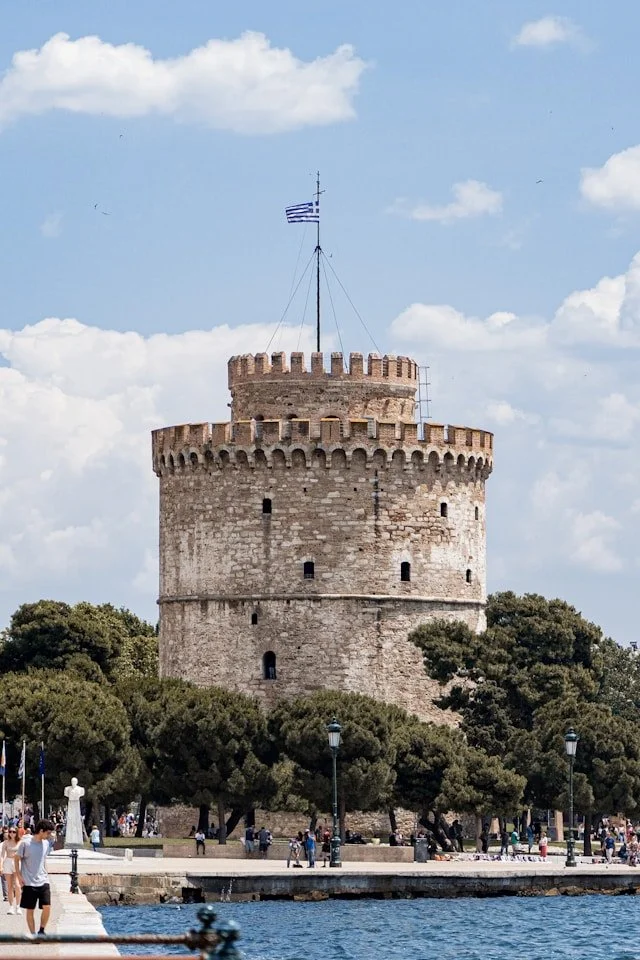
Winters vary by region: southern islands and coastal areas are mild, typically between 50–60°F (10–16°C), while northern mainland regions, like Thessaloniki, experience colder weather, occasional snow, and temperatures that drop below freezing.
Spring and autumn bring comfortable, sunny days and cooler nights.
Best Time to Visit
Late spring (May to June) and early autumn (September to mid-October) are the best times to visit Greece, offering warm weather, swimmable seas, and fewer crowds compared to peak summer.
July and August are the busiest months, especially on popular islands like Santorini, Mykonos, and Crete.
Winter brings a quieter, more local experience in cities such as Athens and Thessaloniki, though many islands offer reduced services during the off-season.
Language
Greek is the official language of Greece, with regional variations across the mainland and islands. English is widely spoken in major cities and tourist destinations, though learning a few simple Greek phrases will be appreciated by locals.
Currency
Greece uses the euro (€). Credit and debit cards are accepted in most hotels, restaurants, and shops, and contactless payments are common in cities and popular islands. Carrying some cash is still useful, especially in small villages. ATMs are easy to find in city centers and larger islands, though less common in rural areas.
Getting There
Greece is well connected by air and sea. Athens International Airport is the main gateway for long haul and European flights, while Thessaloniki, Heraklion, Rhodes, and Chania offer additional international connections, especially in summer.
Travelers can also reach Greece by ferry from Italy, with routes linking ports like Bari, Brindisi, and Ancona to Igoumenitsa and Patras.
Domestic flights and an extensive ferry network make island hopping a breeze, while trains and long distance buses connect major mainland cities.
How to Get Around Greece

Train

Rental Car

Private Transfer

Ferry

Bus
Top Experiences in Greece



LATEST POSTS ABOUT GREECE
WHAT TO PACK FOR GREECE
Greece FAQ
-
Ferries are the most common way to move between islands, with frequent routes in summer. High-speed ferries are available on popular routes like those between Athens and Mykonos or Santorini. For longer distances, or geographies with limited ferry schedules, domestic flights are your best option.
-
How many islands you visit depends on the length of your stay. With 5 to 7 days, staying on one island offers a more relaxed experience. If you'll be there 10 days or more, visiting two islands is a great way to see more of Greece, just be realistic about travel times and opt for islands that are relatively close to each other.
-
Cards are widely accepted in hotels and larger restaurants, but you should carry euros for use at small tavernas, beach clubs, and taxis, where card machines will be limited.
“The light of Greece opened my eyes, penetrated my pores, expanded my whole being.“
Henry Miller