


Germany Travel Guide
Germany combines historic depth with a strong regional variety. Medieval towns, river valleys, and forested landscapes sit alongside cities known for design, engineering, and contemporary culture. From Berlin’s creative energy to Munich’s traditional beer halls and the vineyard-lined Rhine Valley, the country offers clear contrasts from one region to the next.
This travel guide walks you through what to expect when visiting Germany, how to get around efficiently, and the top experiences to include in your itinerary.


What to Expect in Germany
Weather
Germany has a temperate climate with four distinct seasons.
Summers are warm and comfortable, averaging 70–80°F (21–27°C), though heat waves can occasionally push temperatures higher.
Spring and autumn are mild, with a mix of sunny days, cool evenings, and intermittent rain.
Winters are cold, especially from December to February, with temperatures often between 25–40°F (–4 to 4°C). Snow is common in the Alps and higher elevation regions in Bavaria, while cities like Berlin, Hamburg, and Frankfurt see a mix of frost, rain, and occasional snowfall.
Best Time to Visit
Late spring (May to June) and early autumn (September) are ideal times to visit Germany, offering pleasant weather and fewer crowds.
Summer is peak season, especially in Munich, Berlin, the Rhine Valley, and major outdoor destinations. Winter appeals to travelers drawn to Germany’s Christmas markets, skiing in the Alps, or cultural city breaks in cooler weather.
Language
German is the official language of Germany, with regional dialects differing across regions like Bavaria, Saxony, and Swabia..
English is widely spoken in major cities and tourist destinations. In smaller towns or rural areas, English may be less common, but most hospitality staff are well prepared to assist international visitors. Learning a few basic German phrases is always appreciated by locals.
Currency
Germany uses the euro (€). Credit and debit cards are widely accepted, and contactless payments are common, especially in larger cities. Some smaller shops, bakeries, and rural establishments may still prefer cash, as well as most outdoor festivals, like Christmas Markets. ATMs are easy to find throughout the country.
Getting There
Germany is one of Europe’s most connected countries. Frankfurt Airport and Munich Airport offer extensive international routes, while airports in Berlin, Düsseldorf, and Hamburg also offer international and regional flights.
High speed trains link Germany with France, Switzerland, Austria, Belgium, the Netherlands, Denmark, and the Czech Republic.
The country’s legendary Autobahn highway network makes it easy to drive from neighboring regions, and long distance buses provide a budget friendly option.
In northern Germany, ferries connect travelers with Scandinavia and the Baltic states.
How to Get Around Germany

Train

Rental Car

Private Transfer

Bus
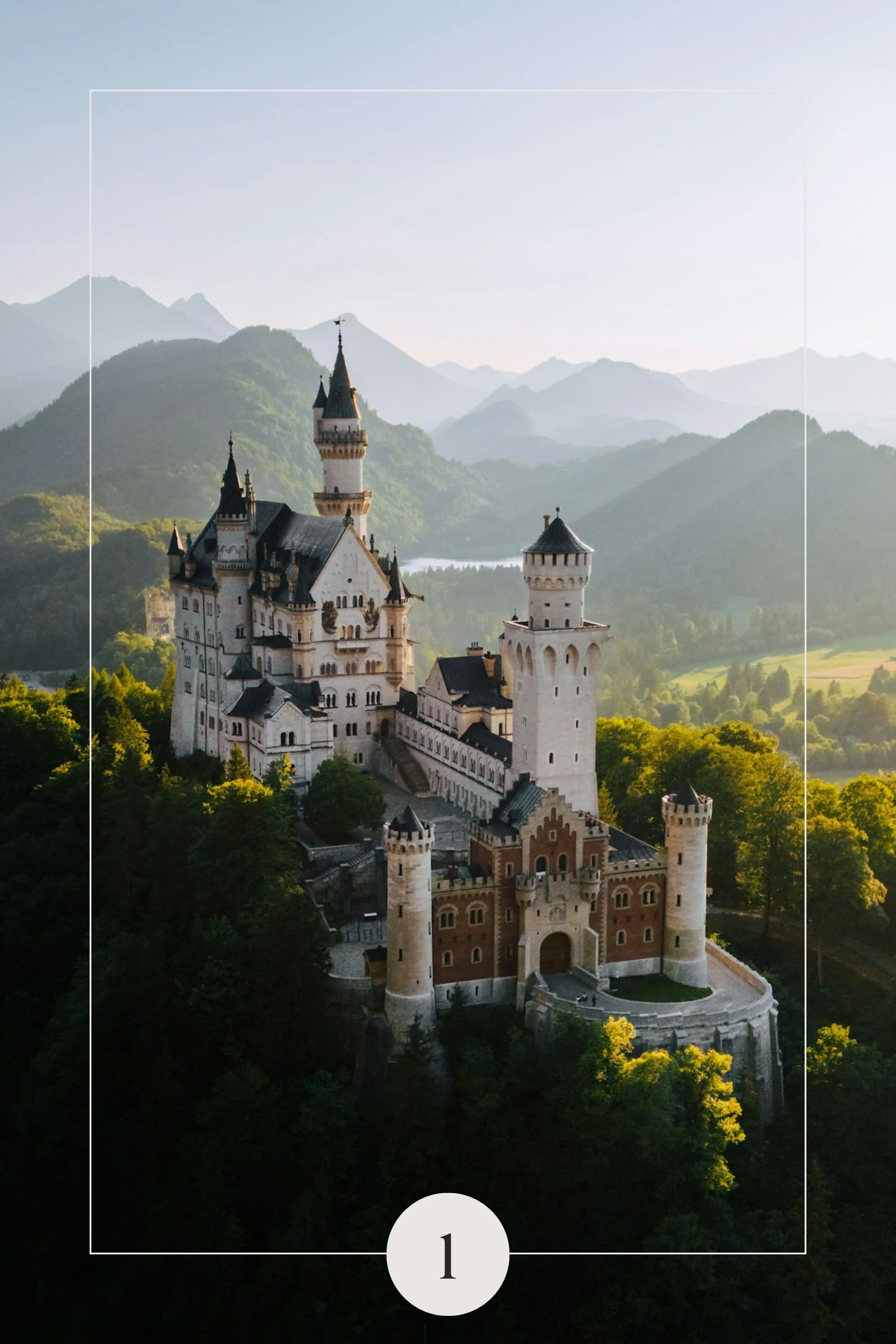
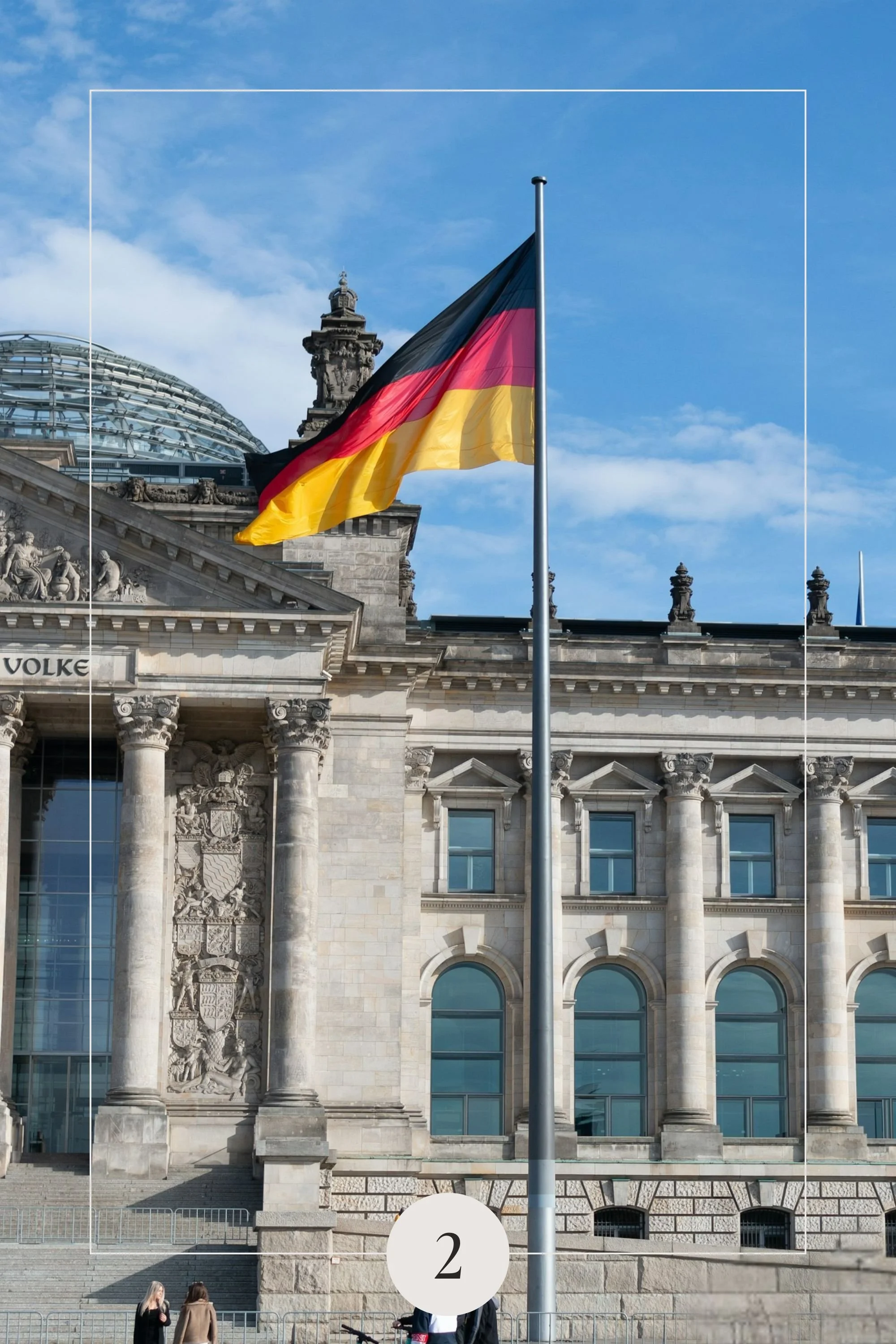
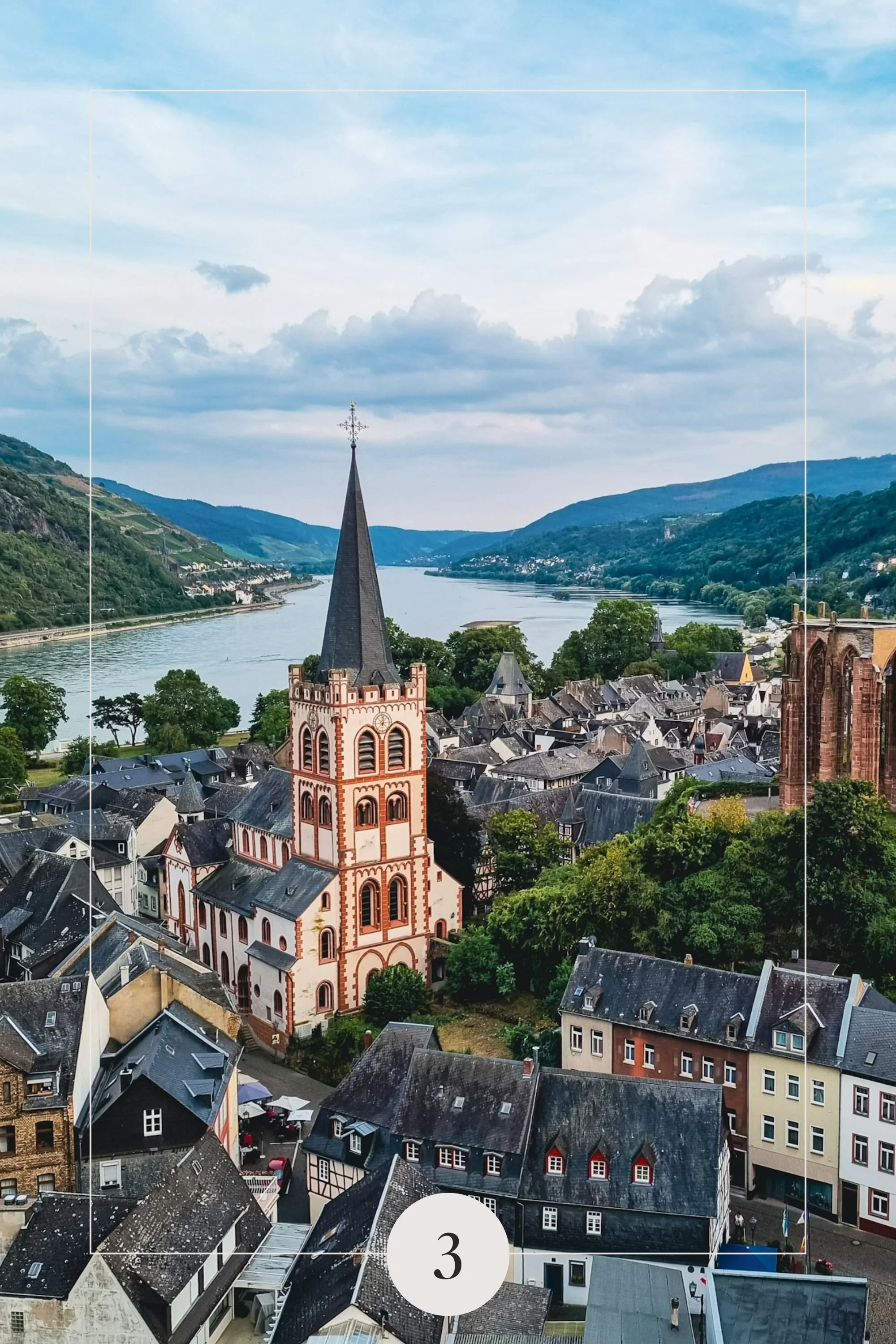
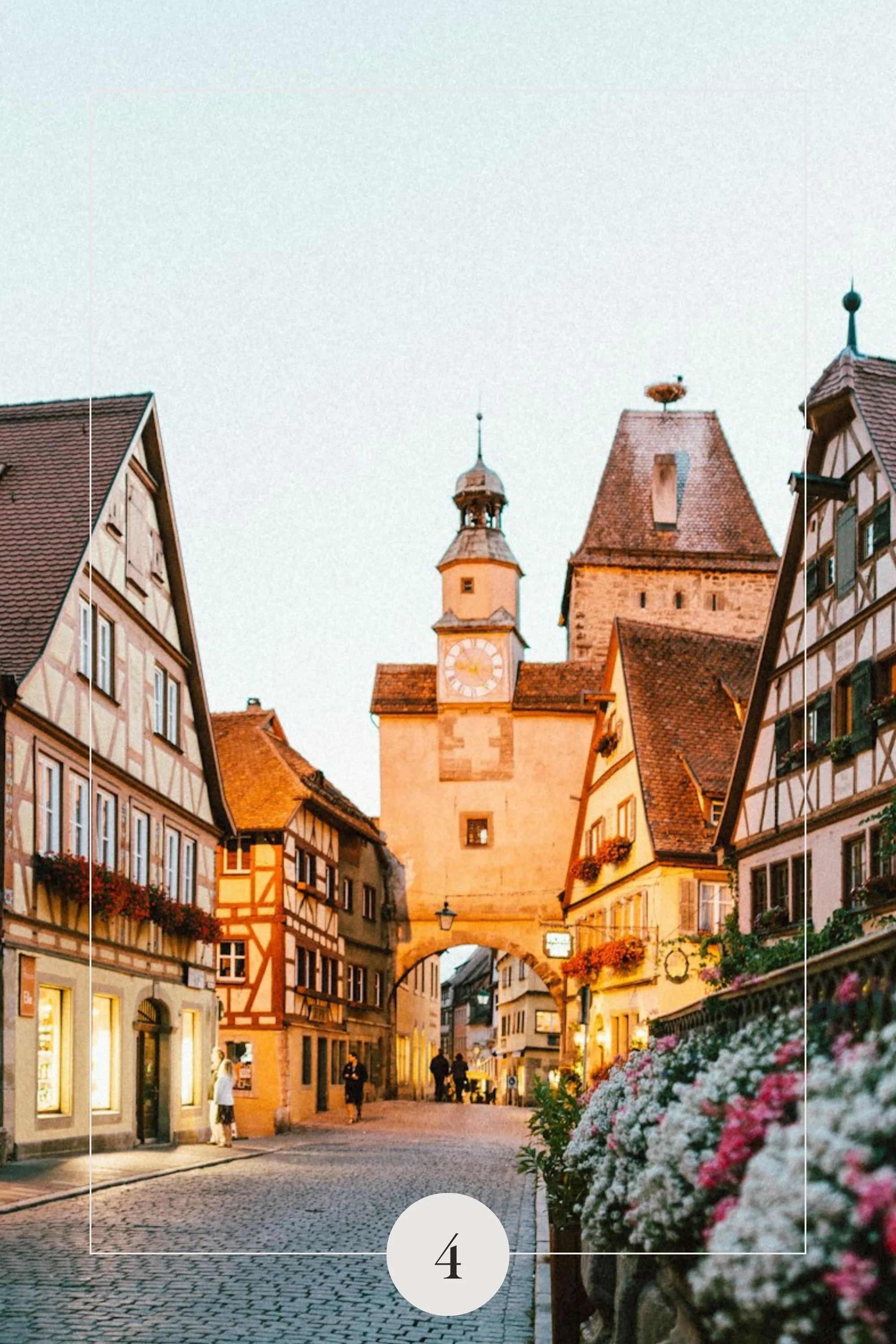
Top Experiences in Germany
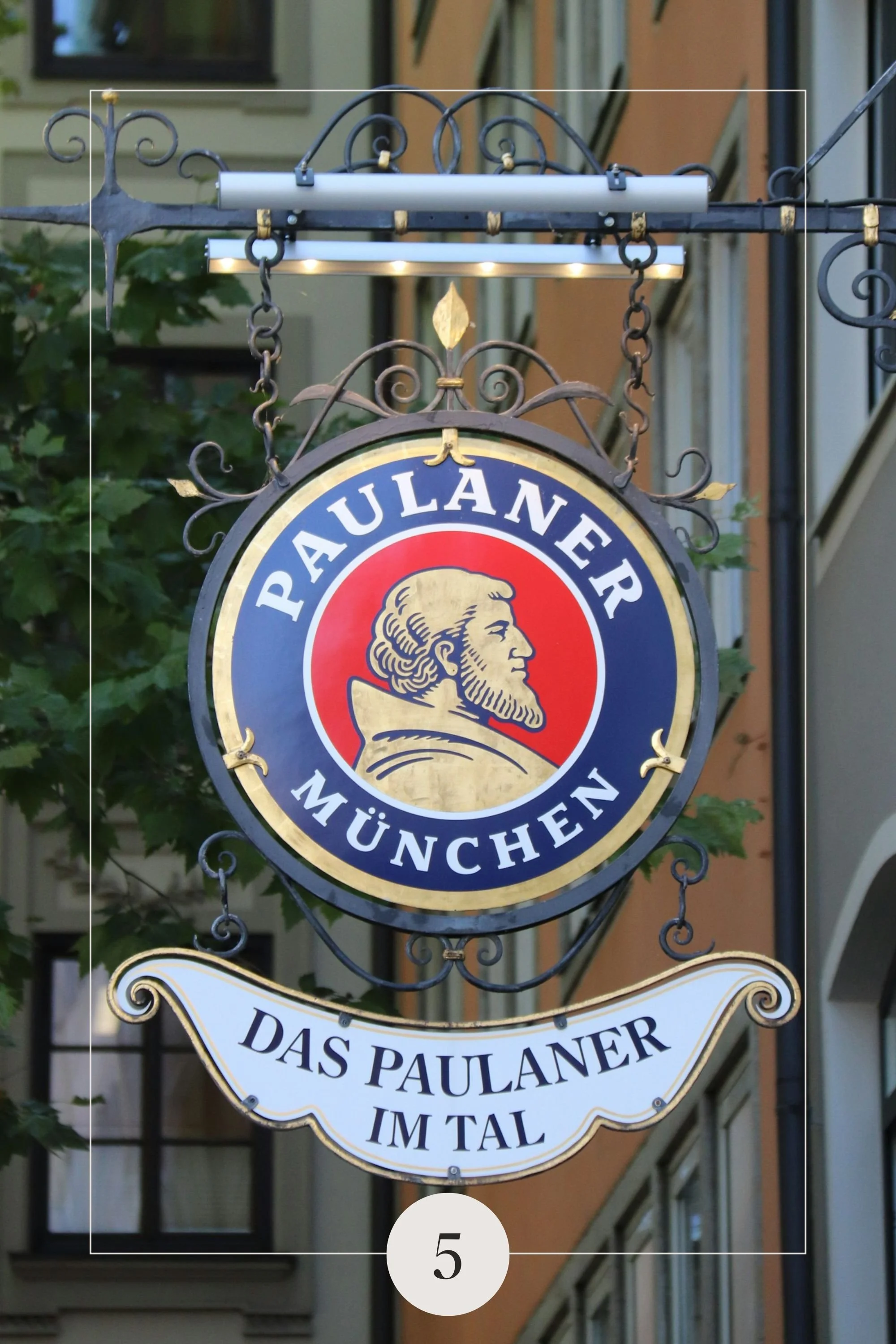
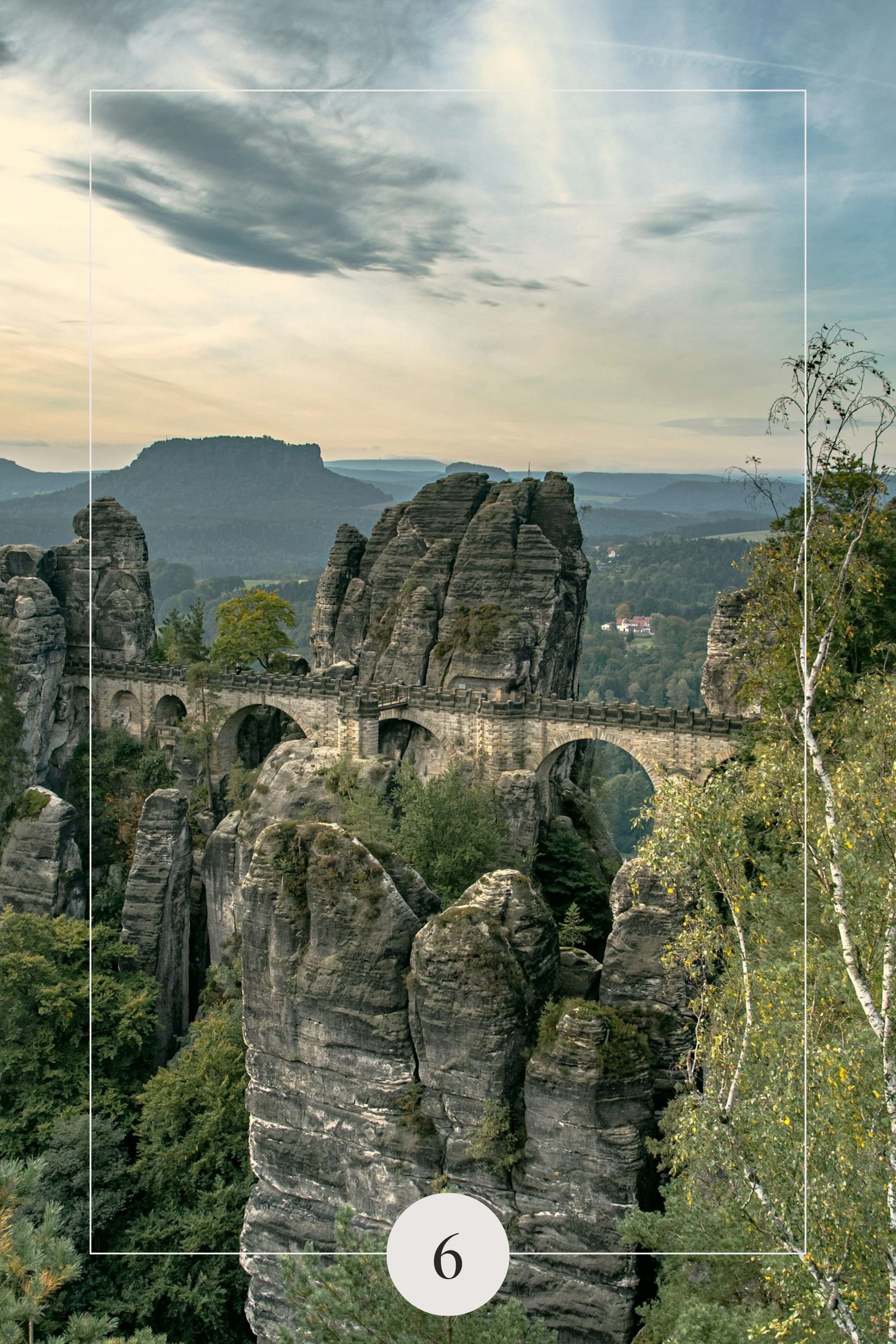
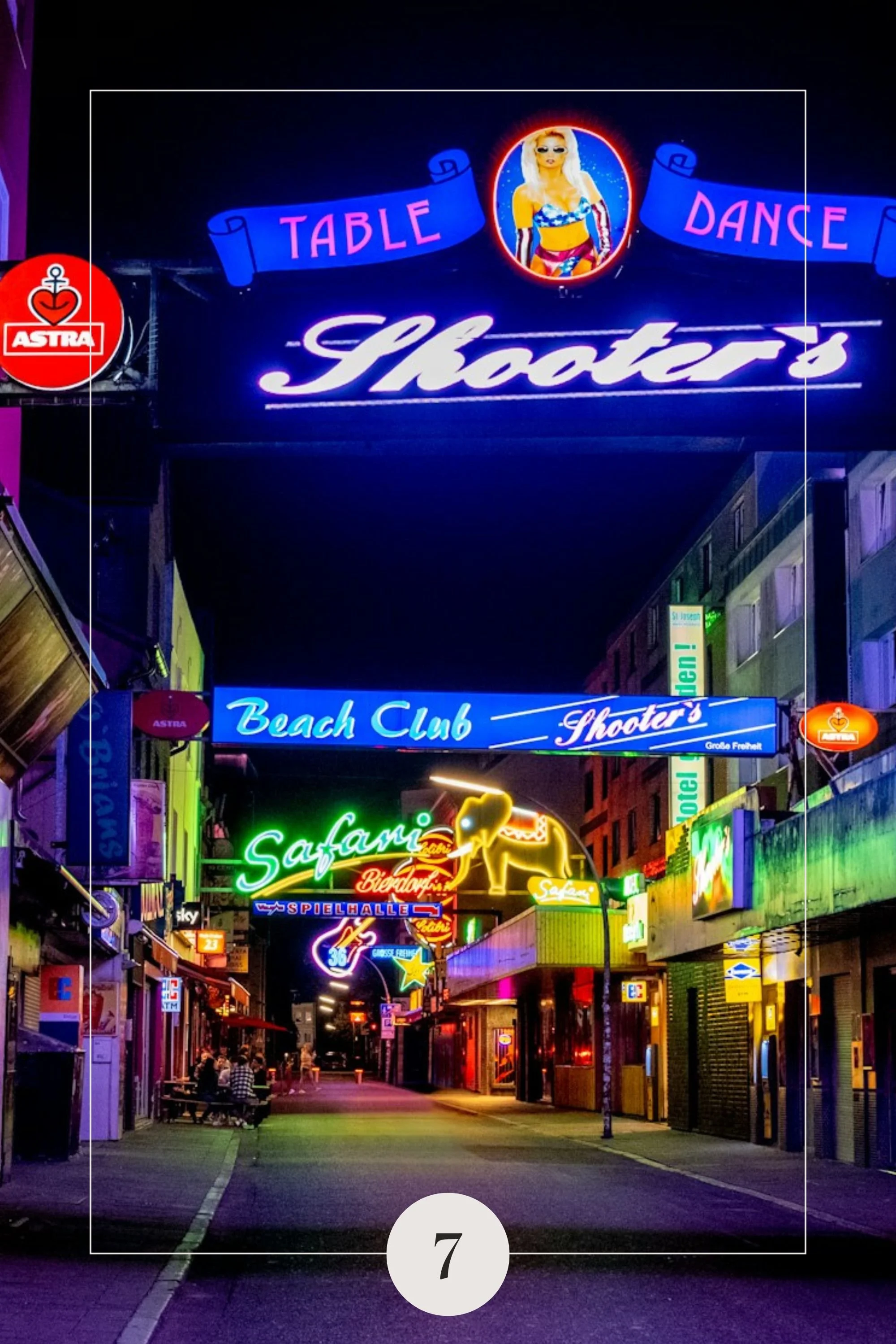
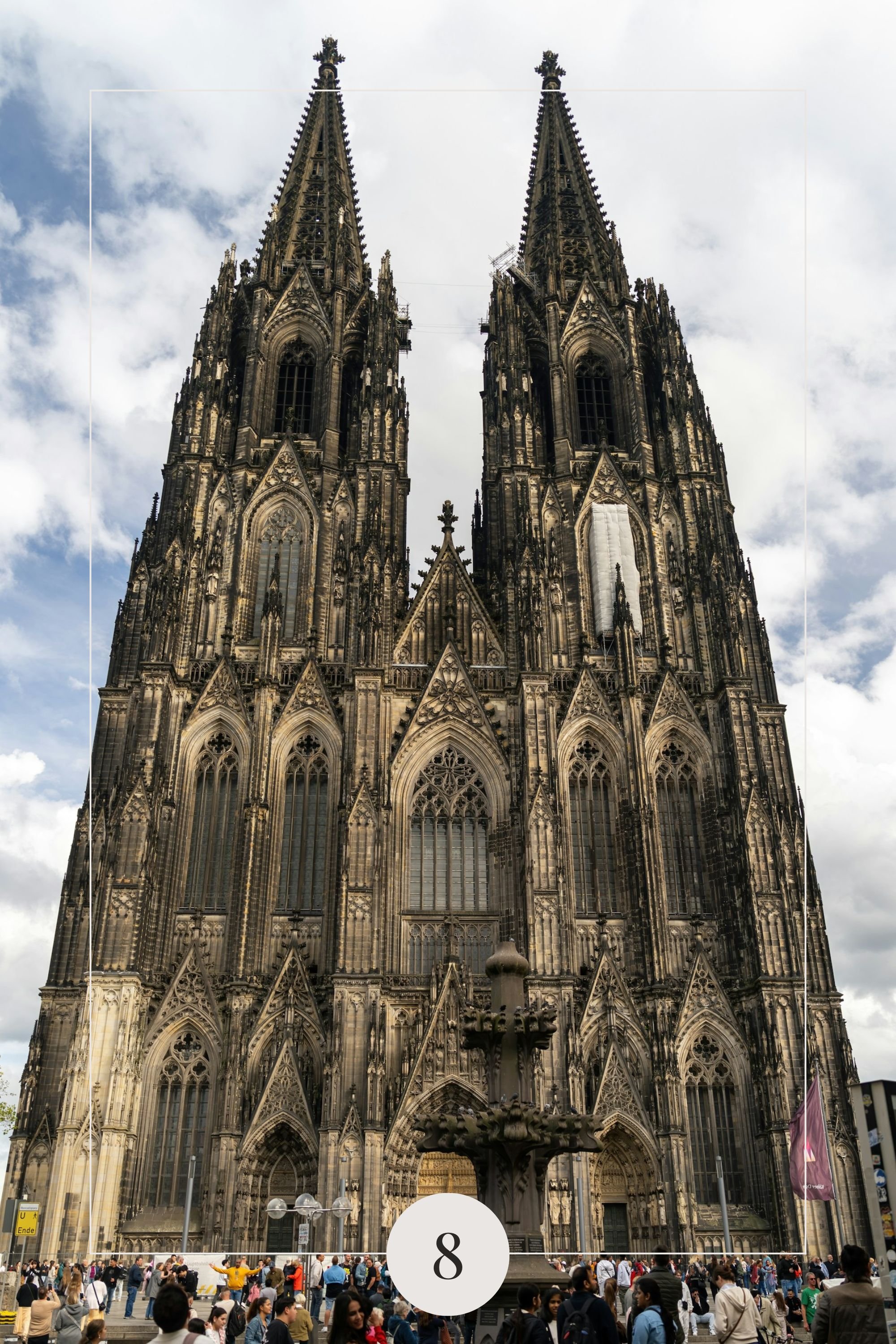
LATEST POSTS ABOUT GERMANY



WHAT TO PACK FOR GERMANY
Germany FAQ
-
To experience Germany’s highlights, plan 7–10 days. That gives you time for Berlin’s history, Munich’s Bavarian culture, and a few day trips. For a deeper itinerary covering cities and outdoor regions like the Allgäu, two weeks allows for a more relaxed pace.
-
Most shops in Germany are closed on Sundays, including supermarkets and shopping malls. However, restaurants, cafés, and tourist attractions usually stay open, especially in larger cities. Train stations and airports often have small convenience stores open every day. If you’ll be in smaller towns, plan ahead and buy groceries or essentials on Saturday.
-
Germany is still more cash-friendly than many other European countries. While large hotels, train stations, and major restaurants accept credit cards, smaller cafés, bakeries, and independent shops still prefer cash. ATMs are widely available, so it’s smart to carry some euros for everyday purchases.
“Germany, in the summer, is the perfection of the beautiful...“
Mark Twain