

Denmark Travel Guide
Denmark is defined by balance and simplicity. Flat coastal landscapes, sandy beaches, and quiet countryside set the tone, while cities like Copenhagen and Aarhus bring together design, dining, and an easygoing urban rhythm. Travelers will find experiences rooted in cycling along the water, lingering over seasonal Nordic cuisine, and spending time outdoors in spaces designed to be both beautiful and functional.
This travel guide breaks down what to expect when visiting Denmark, how to get around efficiently, and the top experiences to include in your itinerary.
Destinations
Copenhagen
What to Expect in Denmark
Weather
Denmark has a temperate climate with mild temperatures and steady wind throughout the year.
Summers are mild, averaging 65–72°F (18–22°C), with long daylight hours, especially in June and July. Spring and autumn bring cool mornings, scattered rain, and occasional warm days. Winters are cool and often gray, with temperatures typically between 30–40°F (–1 to 4°C). Snow is occasional, but usually light.
Best Time to Visit
Late spring (May to June) and early autumn (September) are the best times to visit Denmark, offering comfortable temperatures, lighter crowds, and ideal conditions for exploring cities and coastal towns.
Summer is peak season thanks to warm weather, outdoor dining, and major cultural events, while winter appeals to travelers interested in Christmas markets and crowd-free cities.
Language
Danish is the official language of Denmark, though English is widely spoken across the country.
Visitors will find that most people in hotels, restaurants, shops, and museums speak excellent English, making it easy to get around. Learning a few basic Danish greetings is a nice gesture, though, and is often appreciated by locals.
Currency
Denmark uses the Danish krone (DKK). Credit and debit cards are accepted almost everywhere, and mobile payments are extremely common — contactless technology is a major part of daily life.
Cash is becoming less necessary, even at small shops and in rural areas, so be conservative when withdrawing cash from ATMs.
Getting There
Denmark is well connected to Europe and beyond. Copenhagen Airport is the main international hub with extensive global routes, while Billund Airport serves additional European destinations.
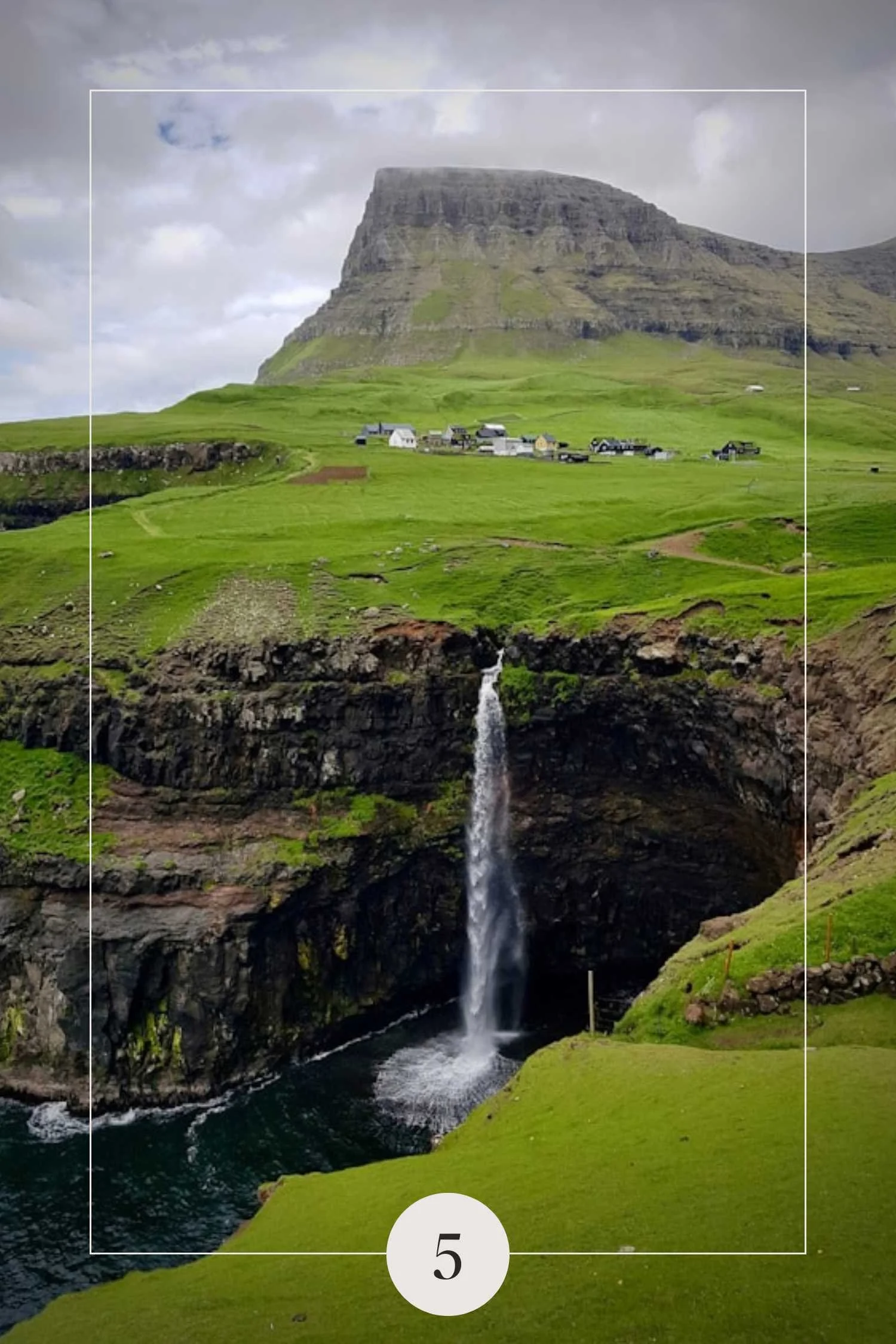
Travelers within Europe can also arrive by train, with direct links from Germany and Sweden. Ferries connect Denmark with Norway, Sweden, Germany, and the Faroe Islands, and well maintained highways make for easy driving from neighboring countries.
How to Get Around Denmark

Train

Rental Car

Private Transfer

Ferry

Bus
Top Experiences in Denmark


LATEST POSTS ABOUT DENMARK
WHAT TO PACK FOR DENMARK
Denmark FAQ
-
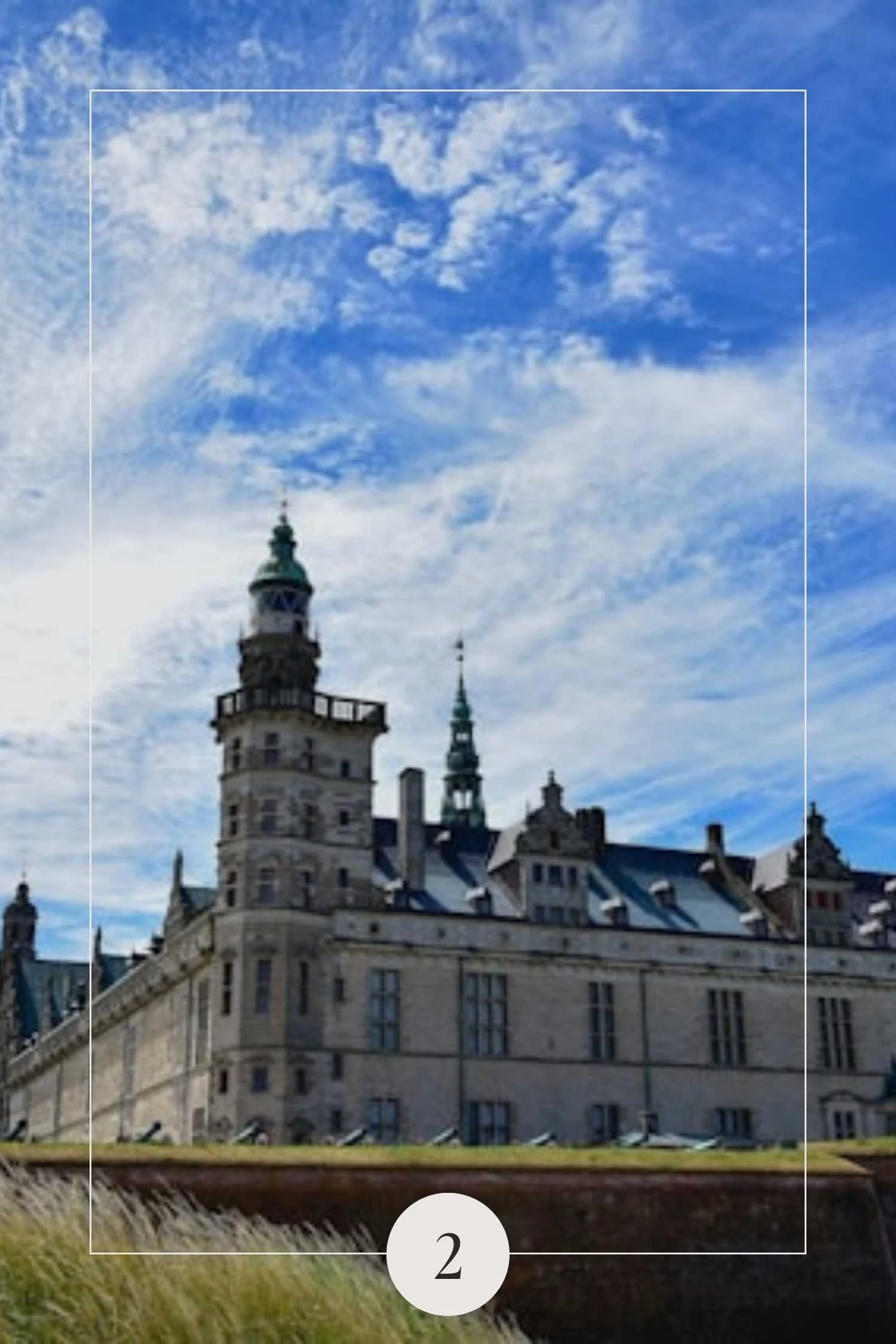
You can see Denmark’s main highlights in 4 to 5 days, focusing on Copenhagen and a nearby day trip to Roskilde, Kronborg Castle, or Malmö in Sweden. With a week or more, you can explore Aarhus, Odense, or the scenic North Jutland coast for a mix of design, history, and nature.
-
Yes! The country has an excellent train and bus network, with frequent service between cities like Copenhagen, Aarhus, and Odense. DSB trains are clean and reliable, and long-distance buses cover smaller towns.
-
Denmark is one of the most cashless countries in Europe: credit and debit cards are accepted almost everywhere. Contactless payments are standard, and even small kiosks or food stalls take cards.
“Denmark is the country where reality is almost always better than the dream.”
Karen Blixen