

Czech Republic Travel Guide
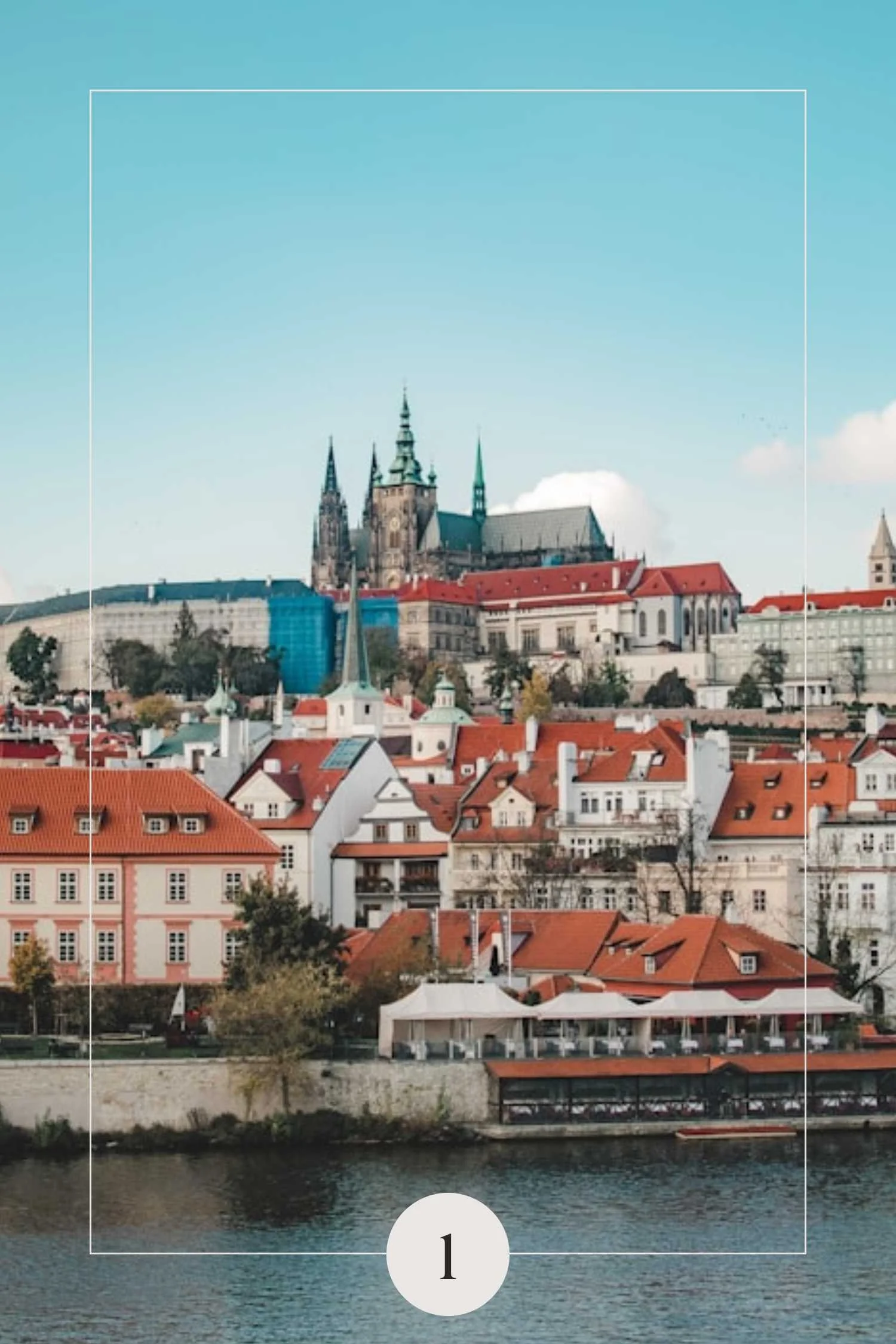
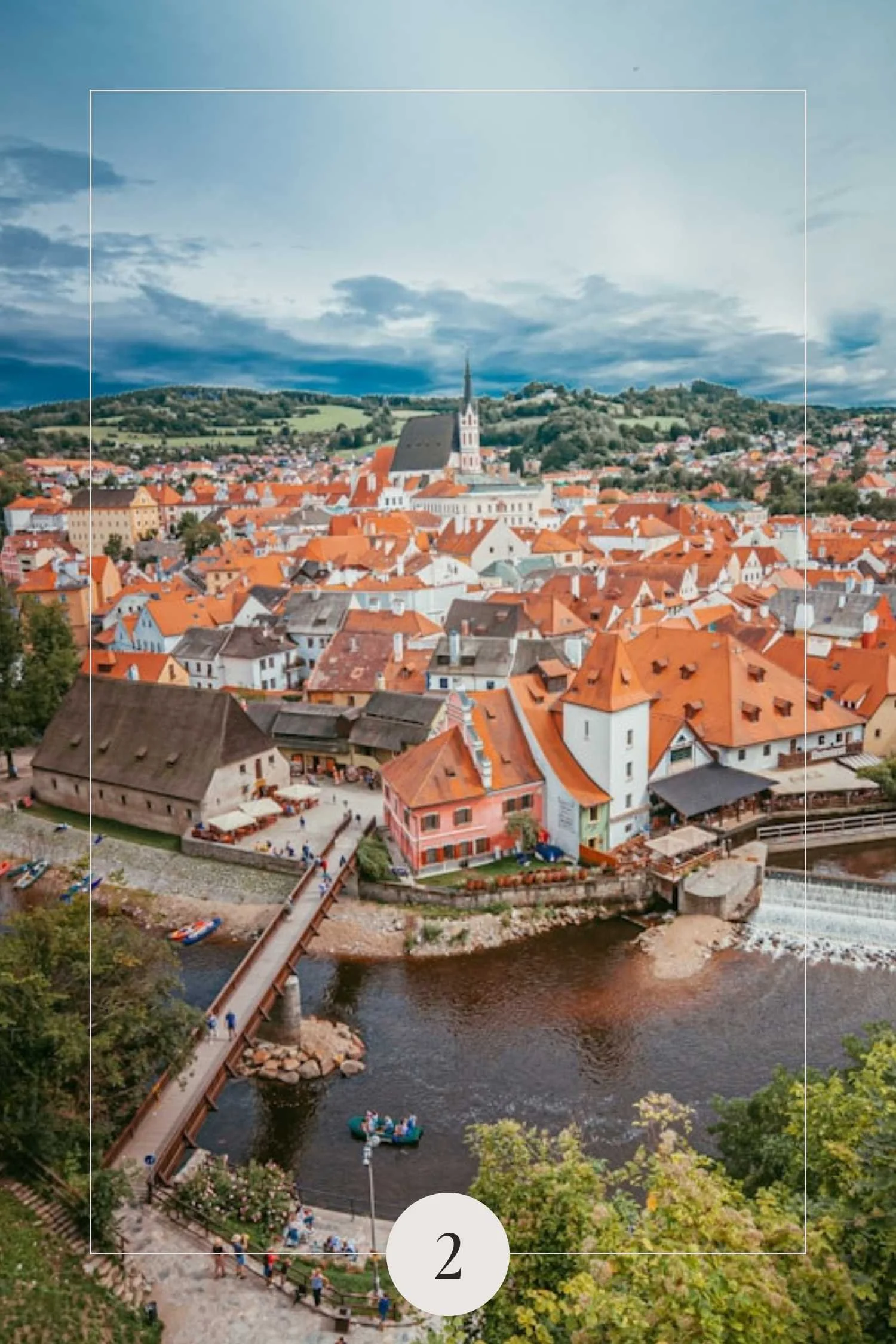
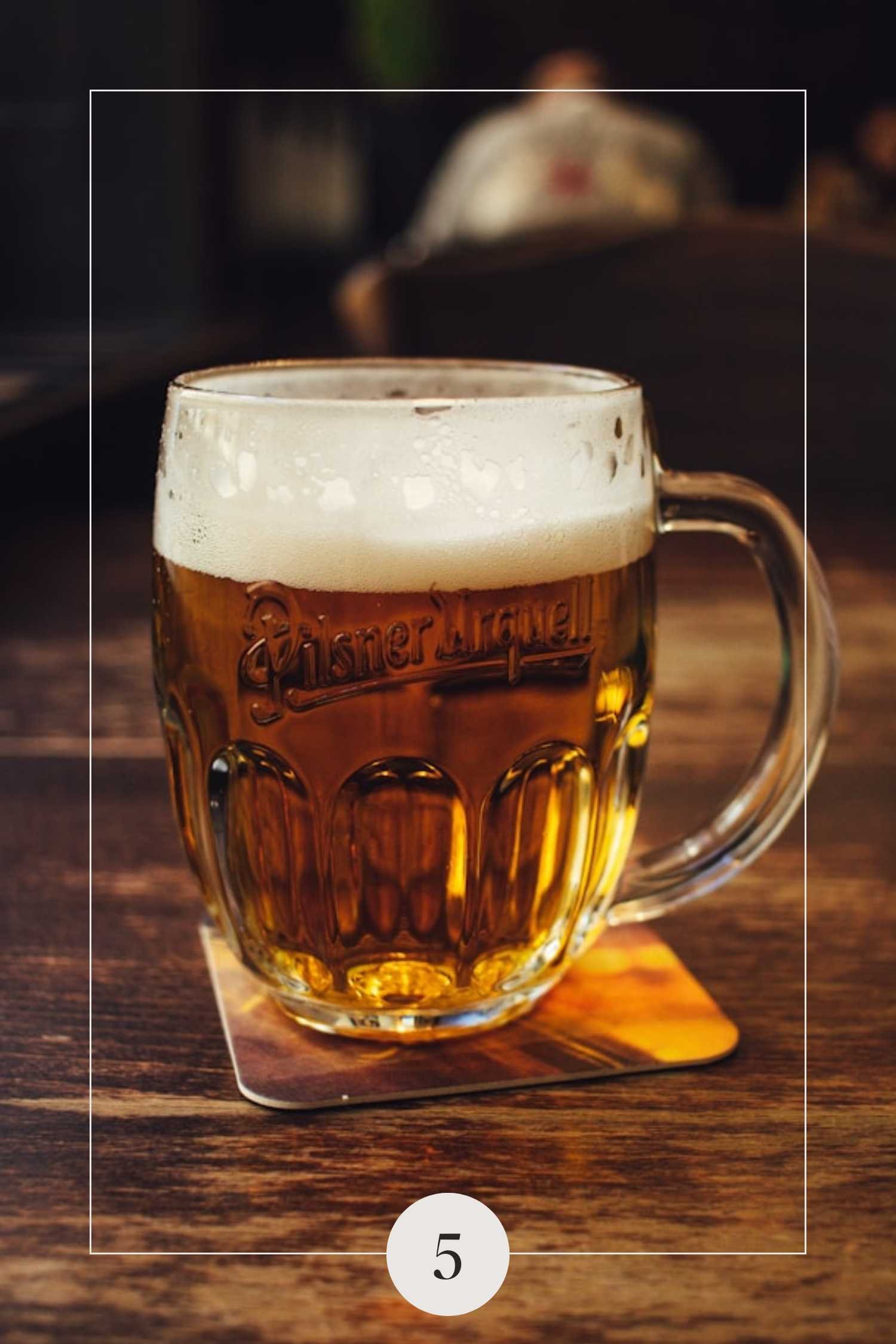
The Czech Republic rewards travelers who look beyond the postcard views. Storybook towns, rolling countryside, and centuries of history frame daily life, while Prague anchors the country with its architecture, beer culture, and compact, walkable center. Outside the capital, regions like Bohemia and Moravia reveal a slower pace shaped by vineyards, spa towns, and long-standing local traditions.
This travel guide covers what to expect when visiting the Czech Republic, how to get around, and the top experiences to add to your itinerary.
Destinations
Prague
What to Expect in Czech Republic
Weather
The Czech Republic has a four season climate.
Spring and autumn bring comfortable temperatures, though rain is more frequent during these shoulder seasons. Summers are warm and generally dry, averaging 70–80°F (21–27°C), with occasional heat waves reaching the upper 80s°F (30–32°C).
Winters are cold, especially from December to February, with temperatures often between 25–35°F (–4 to 2°C) and regular snowfall in the mountains. Prague and other lowland areas are slightly milder but still see frosty mornings and overcast days.
Best Time to Visit
Late spring (May to June) and early autumn (September) are ideal for most travelers, offering mild weather and fewer crowds than the peak summer season.
Summer is the most popular time to visit, especially in Prague, thanks to warm evenings and outdoor festivals. Winter appeals to travelers interested in Christmas markets, snowy countryside escapes, or quieter sightseeing in major cities.
Language
Czech is the official language of the Czech Republic, and while its pronunciations can be challenging for visitors to master, learning a few simple phrases is always appreciated.
English is widely spoken in Prague and other major destinations, particularly in hotels, restaurants, and museums. In smaller towns, English is less common, but tourism staff are generally well prepared to assist international visitors.
Currency
The Czech Republic uses the Czech koruna (CZK). Credit and debit cards are widely accepted, as are contactless payments, especially in cities. Carrying cash is a good idea in rural areas, or for small cafés or markets in cities. ATMs are common, making it easy to withdraw cash.
Getting There
The Czech Republic is well connected, and its central location makes it an easy stop on multi-city European itineraries. Prague’s Václav Havel Airport offers many international routes, and regional airports in Brno and Ostrava serve selected European destinations.
Travelers within Europe can arrive easily by train, with direct connections from Germany, Austria, Poland, Hungary, and Slovakia. Long distance buses also provide affordable options from neighboring countries.
How to Get Around the Czech Republic

Train

Rental Car

Private Transfer

Bus
Top Experiences in the Czech Republic

LATEST POSTS ABOUT CZECH REPUBLIC
WHAT TO PACK FOR THE CZECH REPUBLIC
Czech Republic FAQ
-
You can see the highlights of the Czech Republic in 4 to 5 days, focusing on Prague and a few nearby towns like Kutná Hora or Český Krumlov. With a week or more, you can add Brno, Karlovy Vary, or the Moravian wine region for a deeper experience of the country.
-
Yes, it’s easy to explore the Czech Republic without a car. Trains and buses connect nearly every major city and town, with frequent, affordable service. RegioJet and FlixBus are excellent for intercity travel, while Czech Railways (ČD) covers most regional routes. Within cities like Prague and Brno, trams and metro systems are efficient, clean, and easy to navigate.
-
Credit cards are widely accepted, especially in hotels, restaurants, and major tourist areas. However, it’s smart to carry some Czech koruna (CZK) for smaller purchases or rural areas, where cash is still preferred. ATMs are common and safe to use, and contactless payments are becoming the norm.
“Venus goes to bed in the Czech Republic.“
Olga Tokarczuk