


Austria Travel Guide
Austria is a country of mountain landscapes, elegant cities, and a deep appreciation for culture. From the imperial architecture of Vienna and the baroque streets of Salzburg to the alpine villages of Tyrol, Austria blends history and art with outdoor adventure.
This travel guide introduces you to the best that Austria has to offer, including its diverse regions, transportation options, and seasonal highlights. Read on for what to expect, how to get around, and the top experiences to include on your Austria itinerary.


What to Expect in Austria
Weather
Austria’s climate shifts noticeably between its Alpine regions and lower elevation cities.
In the mountains, winters are long, cold, and snowy, with temperatures often dropping below 32°F (0°C) and reliable snow cover from December through March. Summers are mild, typically around 68–75°F (20–24°C), with cooler evenings even in July and August.
In the east and southeast, cities like Vienna and Graz, as well as the Danube Valley, have warmer summers that regularly reach 80–86°F (27–30°C) and winters that hover around freezing with periodic snow. Western Austria cities like Salzburg and Innsbruck see more precipitation year-round due to their proximity to the Alps.
Best Time to Visit
The best time to visit Austria depends on the type of trip you’re planning.
Late spring (May to June) and early autumn (September to October) are ideal for city breaks, offering pleasant temperatures and fewer crowds.
Summer is the peak season for hiking and outdoor festivals, while winter draws skiers and snowboarders to Austria’s Alpine resorts.
Visiting in December also offers the chance to experience traditional Christmas markets in Vienna and Salzburg, as well as smaller regional towns.
Language
German is the official language of Austria, though accents and dialects vary across the regions.
English is widely spoken in cities, hotels, restaurants, and major tourist areas. Learning a few basic German phrases is helpful, especially in smaller towns or rural Alpine areas, and is always appreciated by locals.
Currency
Austria uses the euro (€), shared by many European Union countries.
Credit and debit cards, as well as contactless payments, are used in major cities and tourist areas, but it’s still a good idea to carry cash for small shops, mountain huts, and rural cafés. ATMs are common, making it easy to withdraw cash.
Getting There
Austria is well connected internationally, with major airports in Vienna, Salzburg, and Innsbruck. Vienna International Airport offers the widest range of global routes and is a hub for Austrian Airlines.
Travelers coming from elsewhere in Europe can arrive easily by train, with high speed rail links from Germany, Switzerland, Hungary, Italy, and the Czech Republic connecting directly to Austrian cities. Buses and regional trains also make cross-border travel straightforward for nearby destinations.
How to Get Around Austria

Train

Rental Car

Private Transfer

Bus
Top Experiences in Austria
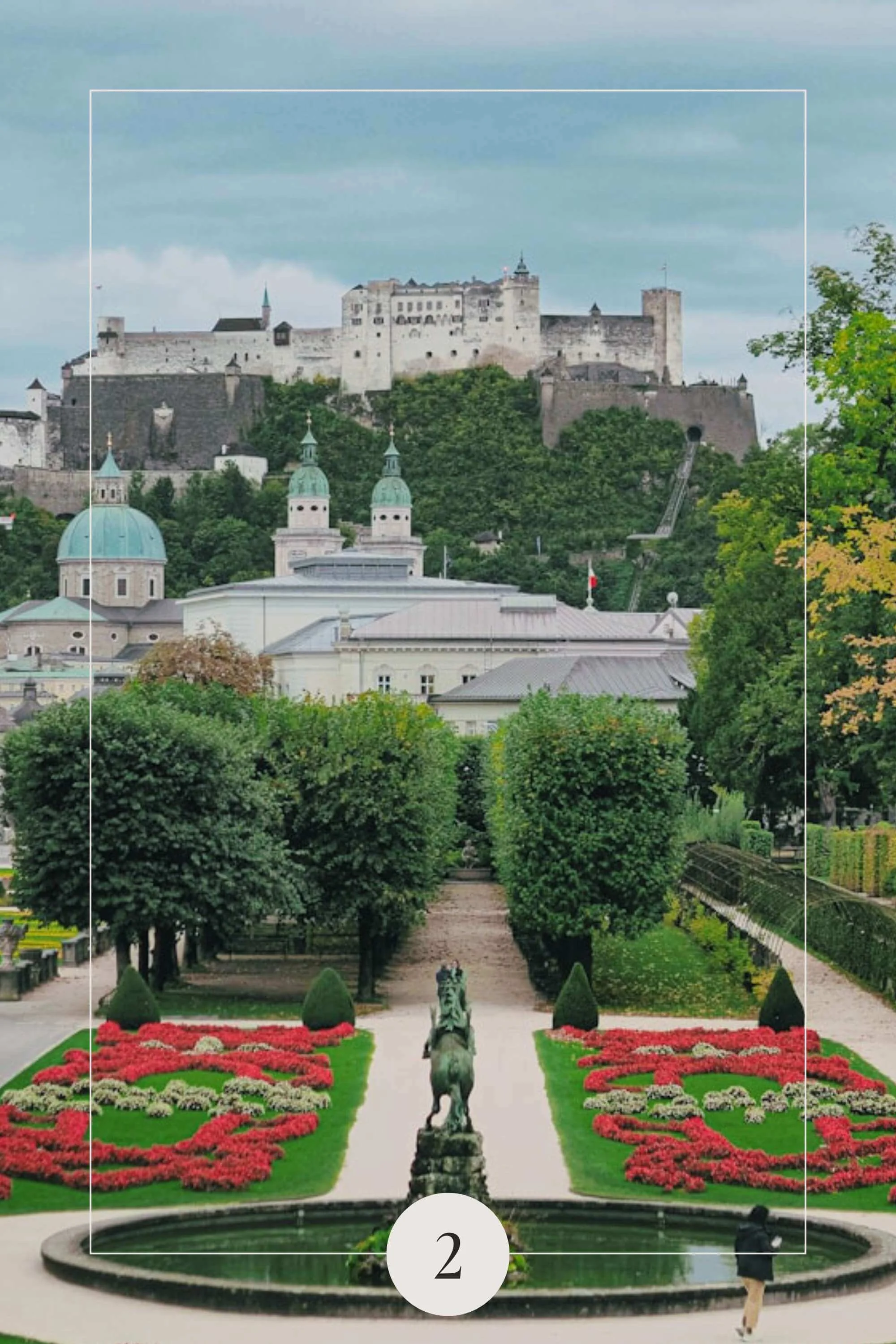
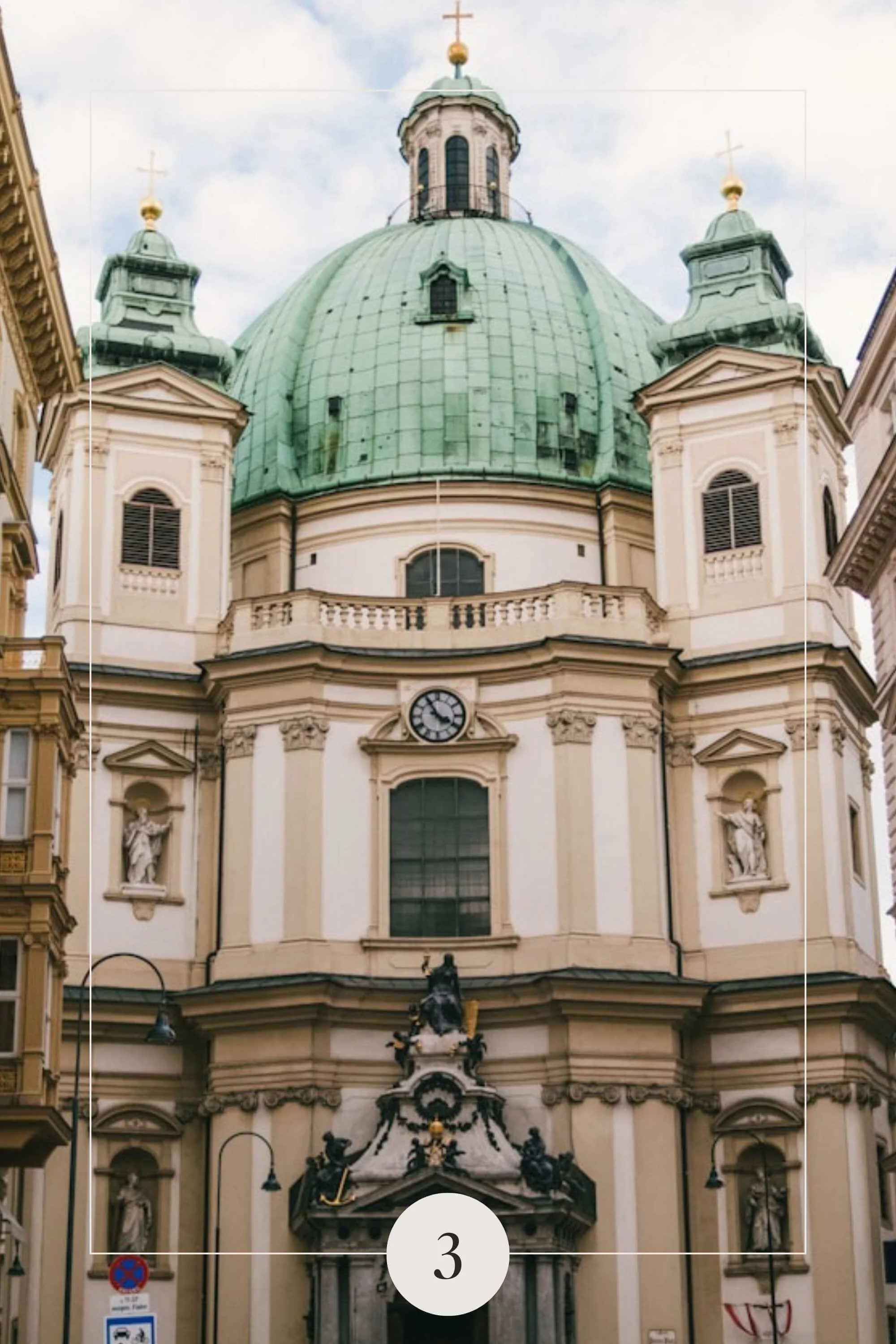
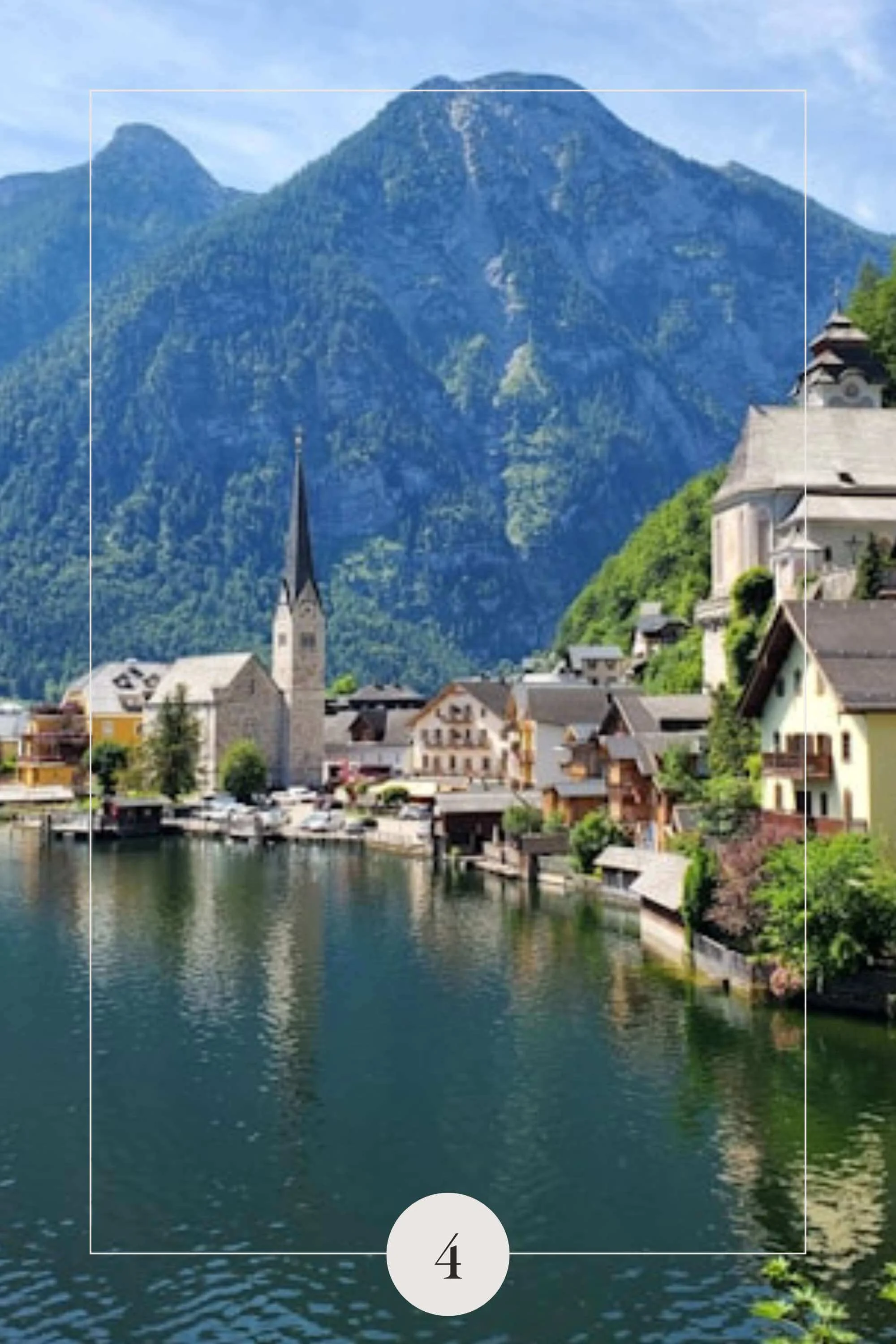
LATEST POSTS ABOUT AUSTRIA


WHAT TO PACK FOR AUSTRIA
Austria FAQ
-
For a trip dedicated to Austria’s highlights, plan 7 to 10 days. That allows time for Vienna’s museums, Salzburg’s music heritage, and a few days in the Alps or along scenic lake regions like Hallstatt or Zell am See. With two weeks, you can travel more slowly and include destinations such as Graz, Innsbruck, and the Wachau Valley.
-
Most shops in Austria are closed on Sundays, including supermarkets and department stores. However, restaurants, cafés, and tourist attractions in larger cities and resort towns typically remain open. Train stations often have small grocery shops that operate daily. If you’re staying in a smaller town, plan to buy essentials on Saturday to avoid surprises.
-
Credit cards are widely accepted in Austria, especially in cities and hotels, but smaller cafés, mountain huts, and rural guesthouses may still prefer cash. It’s smart to carry some euros for small purchases. ATMs (called Bankomats) are common, and most accept foreign cards.
“Austria is an earthly paradise of woods and lakes.“
Franz Grillparzer